

Chevrolet P20 Engine Coolant Bypass Hose: A Comprehensive Guide for 1981-1989
Don't let a small hose cause a big engine problem; here's what every P20 owner needs to know.
- A failing bypass hose can cause catastrophic engine overheating; do not ignore leaks or visible damage.
- Symptoms include coolant leaks, a sweet smell from the engine, and visible damage like cracks or swelling.
- For this vehicle, quality aftermarket brands like Dayco or Gates are the standard, reliable choice.
- This is a simple, low-cost DIY repair that can prevent very expensive engine damage.
Is Your P20's Bypass Hose About to Fail?
On a workhorse vehicle like the Chevrolet P20, rubber components are under constant stress from heat and pressure. The engine coolant bypass hose is no exception. After decades of service, the original hose is likely brittle and prone to failure. Ignoring the warning signs can lead to sudden coolant loss, engine overheating, and potentially catastrophic damage like a warped cylinder head. Regular inspection is key.
Symptoms of a Failing Bypass Hose
- Coolant Leaks: This is the most common symptom. You may find a puddle of green or orange, sweet-smelling liquid under the front of your engine. The leak might be a slow drip or a more steady stream.
- Sweet Smell: Sometimes a small leak evaporates on the hot engine before it hits the ground. If you smell a distinct sweet odor coming from the engine bay, it's a classic sign of a coolant leak.
- Visible Hose Damage: When the engine is cool, pop the hood and inspect the hose. Look for cracks, splits, or bulging. A hose that feels rock-hard, brittle, or mushy and soft needs to be replaced immediately.
- Engine Overheating: A significant leak will cause your coolant level to drop, leading to the engine temperature gauge climbing into the red zone. A failed hose can cause rapid overheating.
Critical Warning
A bulging or swollen hose has failed internally and is at high risk of bursting. If you see this, do not drive the vehicle until the hose is replaced. A sudden burst will cause a rapid loss of all coolant, leading to severe engine damage.
Choosing the Right Aftermarket Hose: Dayco vs. Gates
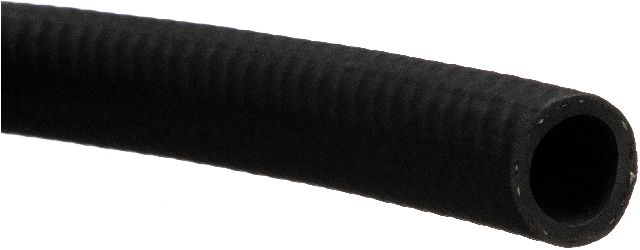
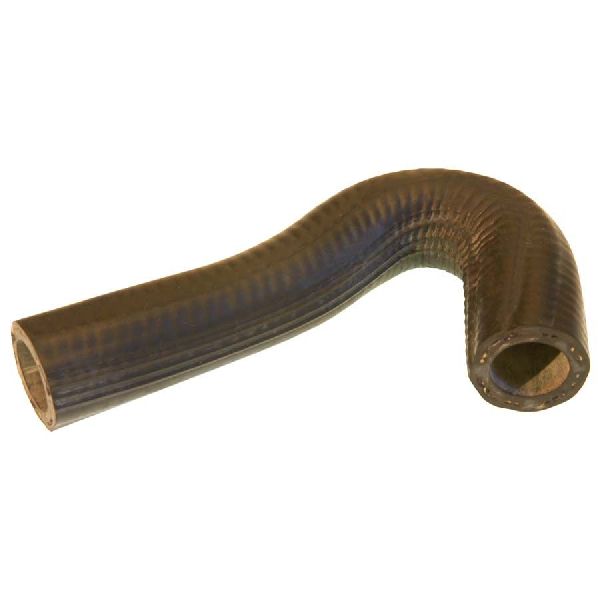
For a vehicle from the 1980s, finding an original equipment (OEM) bypass hose is highly unlikely. Fortunately, reputable aftermarket brands like Dayco and Gates offer quality replacements. Both are well-regarded in the industry, and you can be confident using either. Forum discussions among mechanics and DIYers show mixed preferences, with some finding Dayco hoses to be thicker and others preferring the fitment of Gates. The most important factor is choosing a molded hose specifically designed for your P20's engine, not a generic straight hose that can kink and restrict flow.
Pro Tip: Replace the Clamps
Always replace the hose clamps when you replace the hose. Old clamps can lose their tension and may not provide a secure seal on the new hose, leading to leaks. Simple worm-gear clamps are inexpensive and effective.
Estimated Costs
Replacing the coolant bypass hose is one of the more affordable preventative maintenance jobs you can do. The parts are inexpensive, and labor is minimal.
| Item | Estimated Cost |
|---|---|
| New Aftermarket Hose (Dayco, Gates) | $23.06 - $81.22 |
| Shop Labor | $75 - $150 |
| Total Professional Replacement | $98 - $232 |
Frequently Asked Questions
Are there any recalls for the P20 coolant bypass hose?
No. Searches of the National Highway Traffic Safety Administration (NHTSA) database show no recalls specifically for the engine coolant bypass hose on the 1981-1989 Chevrolet P20. Any recalls for this vehicle are unrelated to this specific part.
Can I replace the bypass hose myself?
Yes, this is a very DIY-friendly job for someone with basic mechanical skills. It typically requires only simple hand tools like a screwdriver or pliers to remove the clamps. The hose is usually easily accessible at the front of the engine. Just be sure the engine is completely cool before starting, as the cooling system is under pressure when hot.
What engine does my 1981-1989 P20 have?
During this period, the Chevrolet P20 was commonly equipped with engines like the 4.8L (292ci) inline-6 or the 5.7L (350ci) V8. It is crucial to confirm your specific engine to ensure you purchase the correctly molded bypass hose.
Should I use an OEM or aftermarket hose?
For a vehicle of this age, OEM parts are often discontinued. Aftermarket brands like Gates and Dayco are the standard for replacement and are considered reliable choices. The quality is generally very good and will provide years of service.
Technical Specifications
The key specification is a molded hose designed to fit the specific engine in your P20 (e.g., 4.8L I6 or 5.7L V8). Do not use a generic straight hose, as it may kink and restrict coolant flow.
We Have This Part in Stock

The information in this article is provided for general reference and educational purposes only. Vehicle specifications, procedures, and part compatibility can vary by production date, trim level, and region. Always consult your vehicle's factory service manual and verify part numbers before purchasing or performing repairs. Safety-critical components such as airbags, seat belts, and braking systems should be installed by a qualified professional.
- Chevrolet P20: