

Dodge D100 Ignition Coil Guide: 1981-1989 Replacement & Symptoms
Keep your classic Dodge D100 running strong by understanding, diagnosing, and replacing your ignition coil.
- A failing ignition coil on a D100 causes no-start, stalling, misfires, and power loss.
- Replacement is very easy, requiring basic tools and less than 30 minutes.
- Before replacing the coil, check other common failure points like the ballast resistor and ignition module.
- Choose a quality aftermarket brand like Standard Ignition or NGK for reliability; budget brands have mixed reviews.
Is Your D100's Ignition Coil Failing?
The ignition coil on these classic Dodge trucks is a straightforward, canister-style part. It's generally reliable, but age and heat can cause it to fail. When it starts to go, your truck will let you know. Ignoring the signs can leave you stranded.
Common Failure Symptoms
- No-Start or Hard Starting: The engine cranks but won't fire up, or takes a long time to start. This happens because the coil isn't producing enough voltage for a spark.
- Engine Misfires: The truck may sputter, shudder, or run rough, especially when idling or accelerating. This feels like the engine is stumbling.
- Stalling: The engine may suddenly cut out while driving, especially once it has warmed up.
- Loss of Power: You'll notice the truck feels sluggish and has poor acceleration.
- Reduced Fuel Economy: A weak spark leads to inefficient fuel burn, meaning you'll be stopping for gas more often.
Check Related Parts First
On these 80s Dodge trucks, other simple parts in the ignition system can fail and cause similar "no spark" symptoms. Before replacing the coil, it's wise to check the ballast resistor (a small ceramic block on the firewall 🎬 Watch: Troubleshooting no-spark issues with the Mopar ballast resistor) and the ignition control module. Forum discussions with D100 owners frequently point to these parts as common failure points.
Choosing the Right Aftermarket Ignition Coil
For a vehicle from this era, new OEM Mopar parts are extremely rare. The aftermarket is your best and most practical source. Quality varies by brand, so choosing a reputable name is important for reliability.
Brand Tiers for Your D100
- Performance Upgrade (MSD): If you're looking for a hotter spark for improved performance, MSD is a well-known upgrade. It's often more than a stock engine needs, but it's a popular choice for enthusiasts.
- OE-Quality Replacements (Standard Ignition, NGK): Brands like Standard Motor Products (SMP) and NGK are trusted in the industry for producing reliable, high-quality parts that meet or exceed original specifications. They are excellent choices for a daily driver or stock restoration. Some reviews note that Standard coils can be slightly larger in diameter, which may require you to gently bend your original mounting bracket for a perfect fit.
- Budget-Friendly (Spectra): Spectra is often the most affordable option. While they claim to use quality materials, some user reviews across different vehicles report higher failure rates compared to premium brands. It can work in a pinch, but may not offer the same long-term reliability.
- Unknown (Global Parts): This brand name appears to be generic. Searches did not yield reliable reviews or forum discussions, so its quality is difficult to verify.
Pro Tip: Test Before You Replace
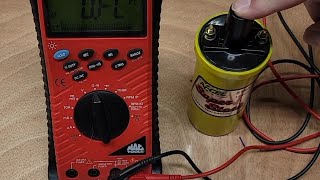
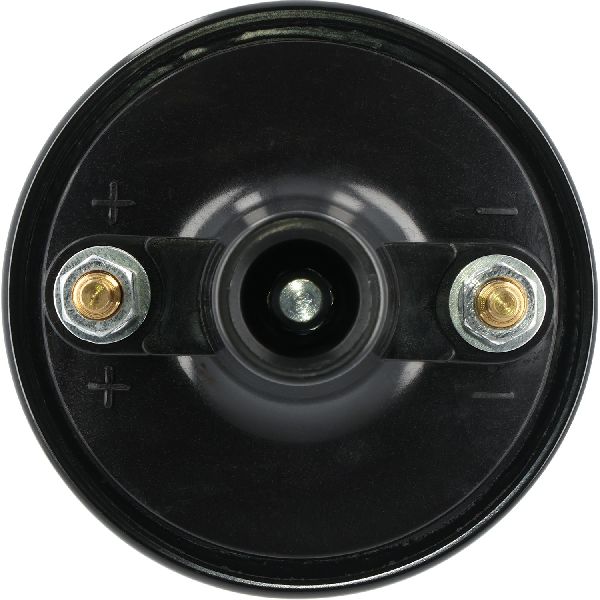
You can test your D100's ignition coil with a simple multimeter. With the coil disconnected, check the resistance between the positive and negative terminals (primary resistance) and between the positive terminal and the center high-tension tower (secondary resistance). A healthy coil should have a primary resistance between 0.4 and 2 ohms and a secondary resistance between 6,000 and 10,000 ohms. Readings far outside this range indicate a bad coil.
🎬 See how to test a 12V ignition coil with a multimeterHow Much Does a New Ignition Coil Cost?
Replacing the ignition coil on a 1981-1989 D100 is an affordable repair, especially if you do it yourself.
| Part Type | Price Range |
|---|---|
| New Aftermarket Coil | $20.40 - $85.56 |
| Shop Labor | $50 - $100 |
Frequently Asked Questions
How do I know for sure my ignition coil is bad?
The best way is to test for spark. Use an inline spark tester between the main coil wire and the distributor cap. If you have no spark while cranking the engine, the coil is a likely culprit (after confirming it's receiving power 🎬 Watch: A guide to diagnosing the Chrysler electronic ignition system). You can also test the coil's internal resistance with a multimeter.
Is replacing the ignition coil a difficult job?
No, this is one of the easiest repairs you can do on your D100. The coil is typically mounted on the firewall or inner fender with one or two bolts. It involves disconnecting the battery, unplugging two small wires, unscrewing the main coil wire, and unbolting the coil bracket. The entire job usually takes less than 30 minutes with basic hand tools.
Do I need a high-performance coil like an MSD?
For a stock or lightly modified engine, a standard replacement coil from a quality brand like Standard Ignition or NGK is perfectly sufficient. A performance coil may provide a slightly stronger spark but won't offer a noticeable difference on its own without other ignition system upgrades.
What other parts should I consider replacing with the coil?
If your ignition components are old, it's a good idea to also inspect or replace the distributor cap, rotor, and spark plug wires. On these trucks, the ballast resistor is a common failure point that can cause a no-start condition and is inexpensive to replace.
Helpful Videos
![No Spark Troubleshooting [Mopar Electronic Ignition with Ballast Resistor]](https://img.youtube.com/vi/RiC8OaSXMs8/mqdefault.jpg)
Technical Specifications
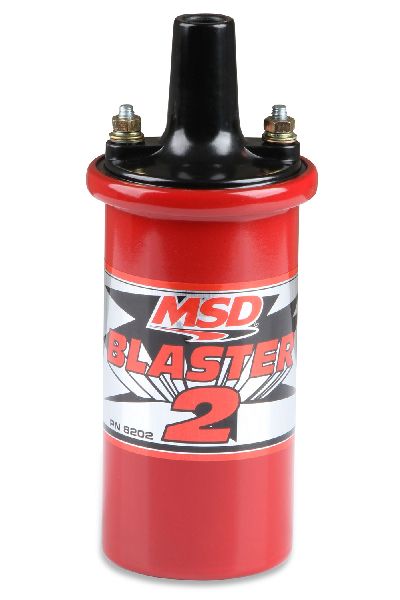
Canister-style, oil-filled ignition coil with a standard 12-volt primary voltage.
We Have This Part in Stock


The information in this article is provided for general reference and educational purposes only. Vehicle specifications, procedures, and part compatibility can vary by production date, trim level, and region. Always consult your vehicle's factory service manual and verify part numbers before purchasing or performing repairs. Safety-critical components such as airbags, seat belts, and braking systems should be installed by a qualified professional.
- Dodge D100:
- 🎬 Helpful Videos
- 🛍️ Shop This Part
- Is Your D100's Ignition Coil Failing?
- Common Failure Symptoms
- Check Related Parts First
- Choosing the Right Aftermarket Ignition Coil
- Brand Tiers for Your D100
- Pro Tip: Test Before You Replace
- How Much Does a New Ignition Coil Cost?
- Frequently Asked Questions
- 🎟️ Get 5% Off