

A Home Mechanic's Guide to the 1981-1991 GMC G3500 Engine Coolant Temperature Sensor
Fix poor fuel economy and rough idling by understanding how to choose the right coolant sensor for your G-series van.
- The ECT sensor for the computer is different from the temperature sender for the dash gauge; diagnose your symptoms carefully to buy the right part.
- A bad ECT sensor is a common cause of poor fuel economy and a rough idle on these vans.
- This is an easy and inexpensive DIY repair that can be done in under 30 minutes with basic tools.
- For best results, choose a reputable aftermarket brand like Delphi or NGK to ensure an accurate signal and long life.
Is Your G3500's Coolant Sensor Failing?
A bad Engine Coolant Temperature (ECT) sensor can cause problems that seem much bigger than they are. Because this sensor tells the engine computer how much fuel to use, a bad signal can make your van run poorly. If the sensor always tells the computer the engine is cold, the computer will keep sending extra fuel. This leads to poor gas mileage, a rough idle, and even black smoke from the exhaust.
Sensor vs. Sender: A Common Mistake
Your G3500 has two similar parts. The Engine Coolant Temperature Sensor talks to the engine computer. The Coolant Temperature Sender (or switch) controls the temperature gauge on your dashboard. If your gauge is acting up but the engine runs fine, the sender is likely the problem. If the engine runs poorly but the gauge seems okay, the sensor is the part to check first.
Symptoms of a Bad ECT Sensor
Watch for these signs that your ECT sensor needs to be replaced:
- Poor Fuel Economy: The most common symptom. The engine uses too much gas because the computer thinks it's always cold.
- Rough Idle: The engine may shake, stutter, or stall when it's supposed to be at a steady idle.
- Black Smoke from Exhaust: A sign of a very rich fuel mixture, where unburnt fuel is burning in the exhaust pipe.
- Check Engine Light: On these OBD1 systems, a faulty ECT sensor can trigger a trouble code, often Code 15.
- Hard Starting: The engine may be difficult to start, either when it's cold or after it has warmed up.
Choosing the Right Aftermarket Sensor
For a vehicle of this age, aftermarket parts offer great value. You don't need to hunt down a pricey OEM part from a dealer. However, not all aftermarket brands are the same. For a critical sensor like the ECT, it's best to choose a brand with a reputation for quality.
Brand Quality Tiers
- Tier 1 (High Quality): Brands like Delphi and NGK are often original equipment manufacturers for GM and have a strong reputation for reliability. Choosing one of these is a safe bet for long-term performance.
- Tier 2 (Good Quality): Brands like Standard Ignition and Beck Arnley are well-known in the aftermarket. They often provide good quality parts, though sometimes they repackage parts from other manufacturers, so quality can vary. They are a solid choice for a balance of price and quality.
- Tier 3 (Value Options): Brands like Four Seasons, Global Parts, and True Tech offer a cost-effective solution. For a simple and inexpensive part like an ECT sensor, these can be a good option if budget is the main concern.
Pro Tip: When replacing the sensor, it's also a good time to inspect the electrical connector. If the plastic is brittle or the terminals are corroded, replacing the connector pigtail can prevent future problems.
Cost to Replace the ECT Sensor
| Part Type | Estimated Cost |
|---|---|
| New Aftermarket Sensor | $12 - $38 |
| Shop Labor | $75 - $150 |
| Total Estimated Cost (Shop) | $87 - $188 |
| Total Estimated Cost (DIY) | $12 - $38 |
Frequently Asked Questions
Can I replace the ECT sensor myself?
Yes, this is a great DIY job for beginners. The sensor is usually easy to access on the front of the engine's intake manifold, near the thermostat. The job requires basic tools like a deep socket wrench, and you only need to drain a small amount of coolant or be prepared for a small spill that you can top off afterward.
Where is the ECT sensor located on my G3500?
On most V8 engines in the 1981-1991 GMC G3500, the ECT sensor is threaded into the intake manifold, right next to the thermostat housing (where the large upper radiator hose connects).
Are there any recalls for this part?
No. Searches of the NHTSA database and other sources found no recalls or common technical service bulletins (TSBs) for the engine coolant temperature sensor on the 1981-1991 GMC G3500.
Do I need to use thread sealant on the new sensor?
Many new sensors come with a thread sealant already applied. If yours does not, it is a good idea to apply a small amount of automotive-grade thread sealant to ensure a leak-free seal and proper grounding.
Technical Specifications
OEM Part Numbers: 25037333
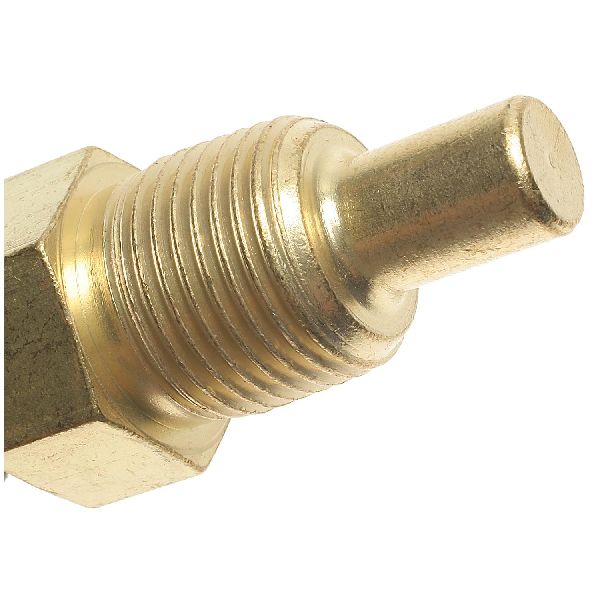
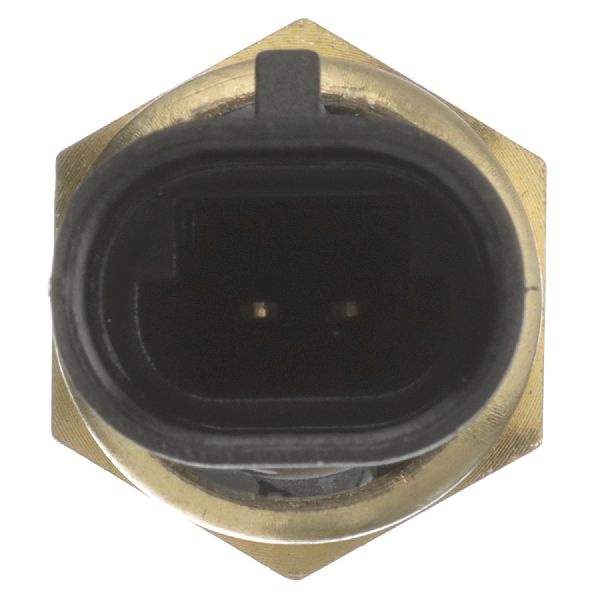
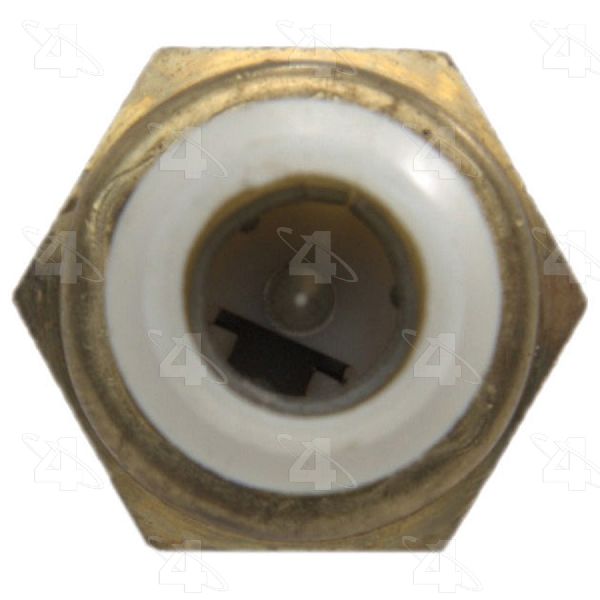
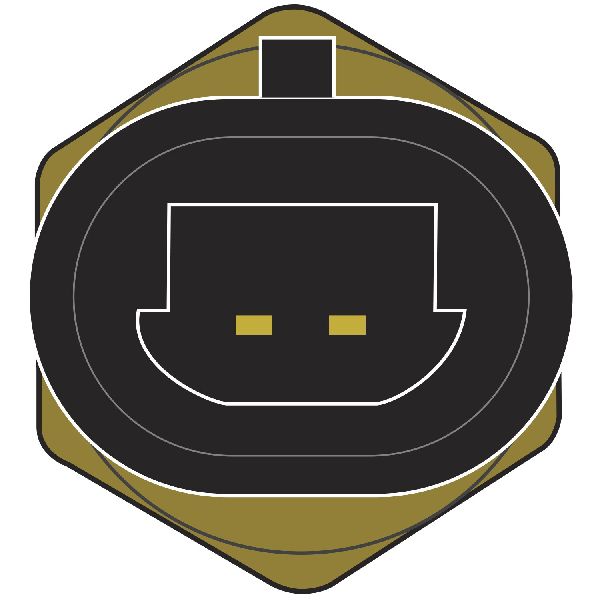
The most common sensor for GM vehicles of this era uses a 2-pin connector and has 3/8" NPT threads. Always verify the connector shape and thread size of your old part before ordering.
We Have This Part in Stock


The information in this article is provided for general reference and educational purposes only. Vehicle specifications, procedures, and part compatibility can vary by production date, trim level, and region. Always consult your vehicle's factory service manual and verify part numbers before purchasing or performing repairs. Safety-critical components such as airbags, seat belts, and braking systems should be installed by a qualified professional.
- GMC G3500: