

A Guide to Replacing the Radiator on Your 1981-1994 Dodge B350
Keep your classic Dodge van's engine from overheating by choosing the right new aftermarket radiator.
- Overheating is the number one sign of radiator failure; other symptoms include coolant leaks and visible corrosion.
- For a heavy-use vehicle like the B350, a quality aftermarket brand like CSF is a reliable choice, while economy brands carry more risk.
- If you tow or carry heavy loads, upgrading to a 3-row radiator is a smart investment for better cooling.
- Always replace the radiator cap, thermostat, and hoses when you install a new radiator to ensure a complete and lasting repair.
Signs of a Failing Radiator
On an older van like the 1981-1994 Dodge B350, the radiator works hard and will eventually wear out. Catching the signs of failure early can save you from a breakdown and a much more expensive engine repair. Here’s what to look for:
- Engine Overheating: This is the most serious symptom. If your temperature gauge is in the red, it's a clear sign your cooling system isn't working. A clogged or leaking radiator is a common cause.
- Coolant Leaks: Finding puddles of green, yellow, or pink fluid under the front of your van means you have a leak. The radiator itself can crack, or the seams where the tanks meet the core can fail over time.
- Visible Damage or Corrosion: Look at the radiator fins. If they are bent, clogged with debris, or show white or rusty corrosion, the radiator's ability to cool is reduced.
- Low Coolant Level: If you constantly have to add coolant to the overflow tank, you likely have a leak somewhere in the system that could be coming from the radiator.
Choosing the Right Aftermarket Radiator
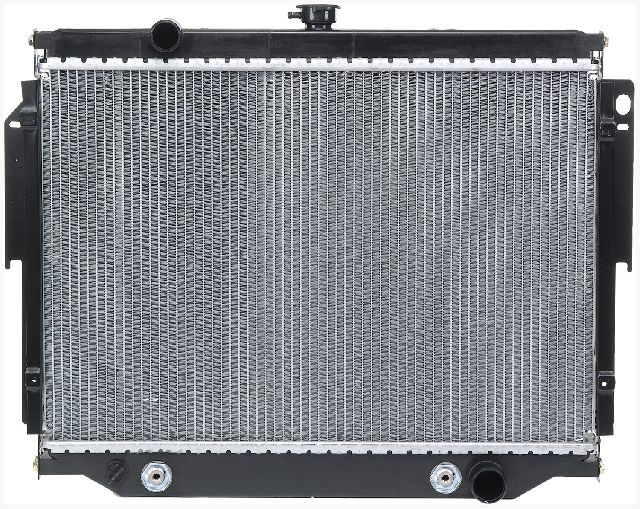
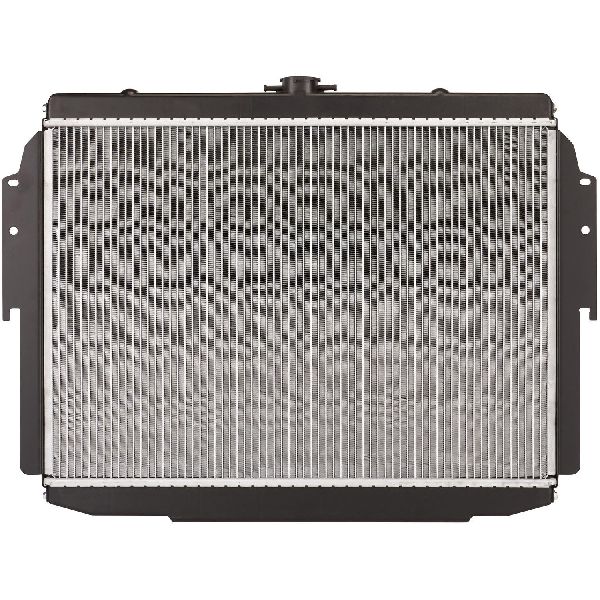
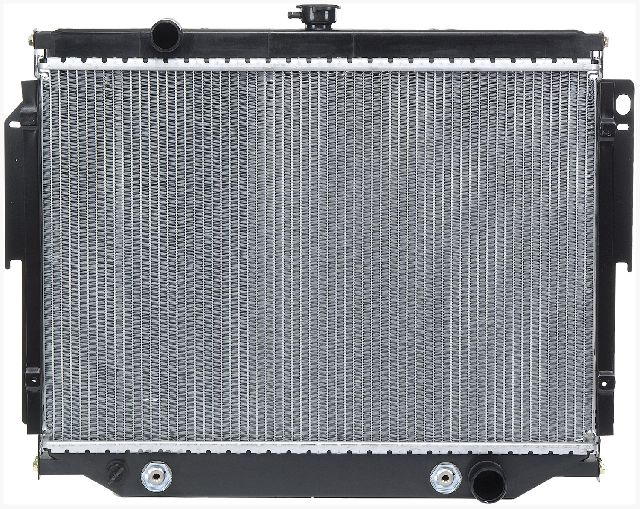
For a vehicle from this era, original OEM radiators are generally no longer available. The good news is that the aftermarket offers several options that meet or exceed original quality. Aftermarket radiators typically use a plastic tank and aluminum core design, which is effective and affordable.
Brand Quality Tiers
Not all aftermarket brands are created equal. Based on owner experiences and mechanic recommendations, here is a general breakdown of the brands available:
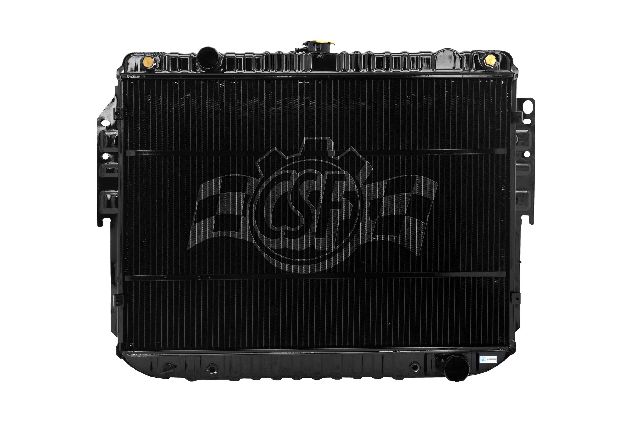
- Higher Quality (CSF Radiator): CSF is often recommended by technicians for heavy-duty vehicles. They are known for good build quality, rigorous testing, and providing a direct, drop-in fit that performs as well as or better than the original. While occasional issues with leaks have been reported, they are generally considered a reliable choice for a B350 that works hard.
- Standard Quality (Spectra): Spectra is a widely available brand with mixed reviews. Many owners find them to be a decent, budget-friendly replacement that cools effectively. However, other users have reported issues with leaks, flimsy construction, and occasional fitment problems. They can be a viable option, but inspect the part carefully upon arrival.
- Economy Quality (APDI, One Stop Solutions): APDI has a reputation for being a lower-tier brand, with users frequently reporting poor quality, thin materials, and incorrect fittings that cause leaks. One Stop Solutions is a generic brand with little public feedback. These brands are the most affordable but carry a higher risk of premature failure.
Pro Tip: Consider an Upgrade
If you use your B350 for towing, carry heavy loads, or have a camper conversion, consider upgrading to a heavy-duty radiator with 3 rows. For this van, a 3-row radiator is often a direct-fit replacement that provides significantly better cooling performance under stress.
Estimated Replacement Costs
The cost of a new radiator can vary based on the brand and where you buy it. Installation is a straightforward job for a DIYer, but professional installation is also an option.
| Part/Service | Estimated Cost |
|---|---|
| New Aftermarket Radiator | $150 - $462 |
| Shop Labor | $200 - $450 |
| Total Professional Replacement | $350 - $912 |
Note: Costs are estimates and can vary by location and vehicle specifics. It is also highly recommended to replace the radiator hoses, thermostat, and radiator cap at the same time.
Frequently Asked Questions
Is it difficult to replace the radiator on a 1981-1994 B350 myself?
No, it is considered a relatively easy job for someone with basic mechanic's tools. The process involves draining the coolant, removing the grille and some support braces for access, disconnecting the hoses and transmission cooler lines, and unbolting the fan shroud and radiator. There are many online videos showing the process on similar Dodge vans and trucks.
Are there any recalls for the radiator on my Dodge B350?
No, searches of the National Highway Traffic Safety Administration (NHTSA) database show no open recalls for the radiator on the 1981-1994 Dodge B350. Any recalls found online are for much newer Ram ProMaster vans and are unrelated.
Should I get a 2-row or 3-row radiator?
A standard 2-row radiator is sufficient for normal use. However, if you frequently tow, haul heavy loads, or drive in hot climates, a 3-row radiator is a worthwhile upgrade for improved cooling capacity. For most B350 models, it is a direct-fit swap without major modifications.
Do I need to replace anything else with the radiator?
Yes, it is highly recommended to replace the upper and lower radiator hoses, the radiator cap, and the thermostat at the same time. These parts are inexpensive and wear out at a similar rate. Replacing them all at once ensures the entire cooling system is reliable and saves you from having to do a similar job again soon.
Technical Specifications
Construction: Plastic Tank / Aluminum Core or Copper/Brass Core Core Rows: 2-row (standard) or 3-row (heavy-duty) Inlet/Outlet Position: Varies by year and engine, must be verified before purchase. Transmission Cooler: Most models for automatic transmissions will include an integrated transmission fluid cooler.
We Have This Part in Stock


The information in this article is provided for general reference and educational purposes only. Vehicle specifications, procedures, and part compatibility can vary by production date, trim level, and region. Always consult your vehicle's factory service manual and verify part numbers before purchasing or performing repairs. Safety-critical components such as airbags, seat belts, and braking systems should be installed by a qualified professional.
- Dodge B350: