

GMC C1500 Engine Coolant Temperature Sensor Guide (1981-1994)
Solving rough idle, poor mileage, and overheating on your truck starts with an accurate Engine Coolant Temperature Sensor.
- A bad ECT sensor on a C1500 commonly causes rich running conditions: poor MPG, black smoke, and rough idle.
- Replacement is a simple, low-cost DIY job that can be done in under 30 minutes.
- Choose a quality aftermarket brand like Delphi, NGK, or Standard (SMP) for reliability; avoid the cheapest options.
- Verify if you are replacing the sensor for the ECU (usually 2-wire) or the sender for the gauge (usually 1-wire).
Is your C1500 running rough or guzzling gas?
Before you start throwing parts at a bigger problem, check this small but vital sensor. On the 1981-1994 GMC C1500, especially the TBI (Throttle Body Injection) models from 1987 onwards, a faulty Engine Coolant Temperature (ECT) sensor can cause a host of engine problems that seem much more serious than they are. The sensor can fail by sending a signal that the engine is always cold. This causes the truck's computer to inject too much fuel, leading to a rich condition, poor fuel economy, and a rough idle.
Symptoms of a Failing ECT Sensor on a GMC C1500
A bad ECT sensor can make your truck run poorly. Here are the most common signs:
- Poor Fuel Economy: The engine runs rich, burning more gas than necessary because it thinks it's cold.
- Black Smoke from Exhaust: A classic sign of a rich fuel mixture, where unburnt fuel is sent out the tailpipe.
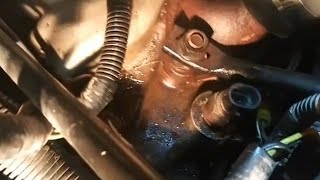
- Rough Idle: The engine may shake or vibrate at idle due to the incorrect air-fuel mixture. 🎬 See how a faulty sensor causes rough idling and stalling.
- Check Engine Light: On later models, this will trigger a Check Engine Light. For these OBD1 trucks, you might get a Code 14 or Code 15.
- Hard Starting: The engine may be difficult to start, especially when it's already warm.
- Engine Overheating: If the sensor fails to trigger the cooling fans (on models equipped), the engine can overheat.
- Inaccurate Temp Gauge: The gauge on your dash may read incorrectly or not move at all. Note that some older GM trucks have a separate sender for the gauge and a sensor for the ECU.
Common Ordering Mistake
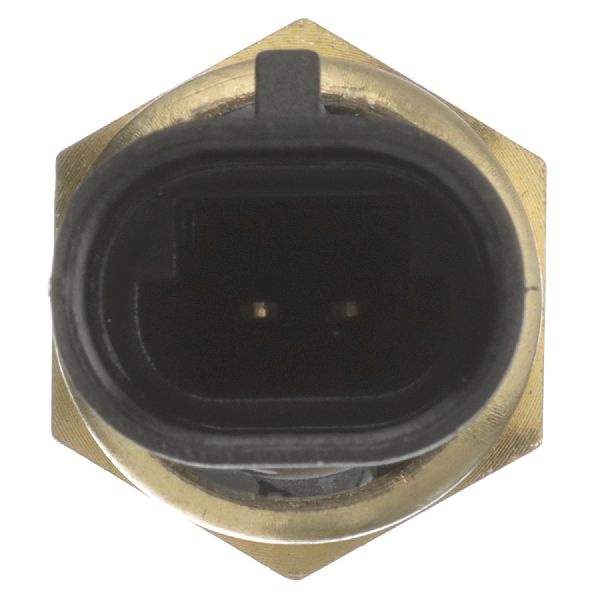
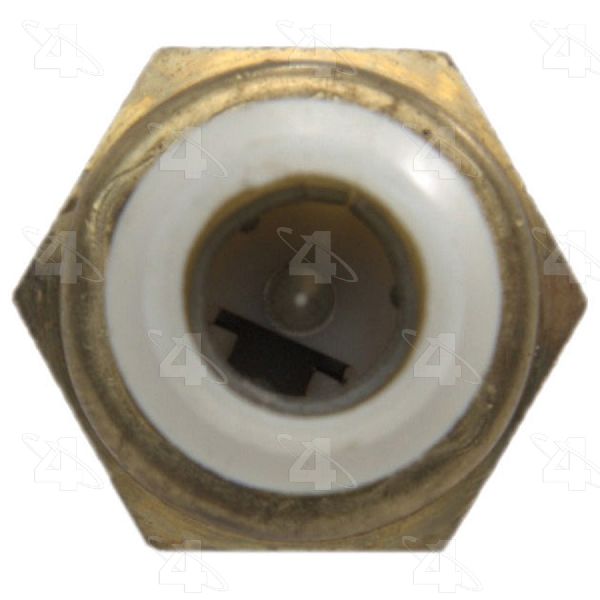
Be aware that your C1500 might have two different temperature sending units: one for the temperature gauge on the dashboard and one for the engine computer (the ECT sensor). They are not interchangeable. The ECT sensor for the computer typically has a two-wire connector, while the gauge sender often has a single wire. Double-check the location and connector of the part you are replacing. The ECT sensor is usually located near the thermostat housing on the intake manifold.
Choosing the Right Aftermarket Sensor: OEM vs. Aftermarket
For a simple part on a classic truck, do you need to pay for an OEM part from the dealer? Not necessarily. High-quality aftermarket brands are widely used and trusted for this application. The key is to avoid the cheapest, no-name options, as some owners report they can be inaccurate out of the box, causing the same problems you're trying to fix. Stick with a reputable brand for a reliable repair.
Aftermarket Brand Tiers
- Tier 1 (OEM & Premium Aftermarket): Brands like ACDelco (the original GM part), Delphi, and NGK/NTK are excellent choices. Delphi was an OEM supplier for GM, so their parts are often identical to the original. NGK/NTK are also known for making high-quality sensors that meet or exceed OE specs.
- Tier 2 (Reputable Aftermarket): Brands like Standard Ignition (SMP), Beck Arnley, and Four Seasons offer a good balance of quality and value. They are well-known in the industry and are a reliable choice for a daily driver or work truck.
- Tier 3 (Economy): Budget brands may be tempting on price, but for a critical sensor that controls your fuel mixture, it's worth spending a few extra dollars for a part from Tier 1 or 2 to avoid headaches and ensure accuracy. 🎬 Watch: How replacing this sensor finally fixed a rough-running truck.
Pro Tip: Quick Swap
When replacing the sensor, have the new one ready to go with thread sealant applied (if needed). Once you unscrew the old sensor, coolant will start to leak out. Quickly swap in the new sensor to minimize coolant loss. Always perform this job on a cold engine to avoid burns and pressure release.
Cost of Replacing an ECT Sensor (1981-1994 GMC C1500)
| Part/Service | Estimated Cost |
|---|---|
| New Aftermarket ECT Sensor | $12 - $38 |
| Shop Labor | $50 - $125 |
| DIY Cost | $12 - $38 |
Frequently Asked Questions (FAQ)
Where is the ECT sensor located on my C1500?
The Engine Coolant Temperature sensor is most commonly found screwed into the front of the intake manifold, right next to the thermostat housing where the upper radiator hose connects. On some GM V6 or V8 engines, it can also be located on the side of the driver's side cylinder head. Look for a small sensor with a two-wire electrical connector.
Can I replace the ECT sensor myself?
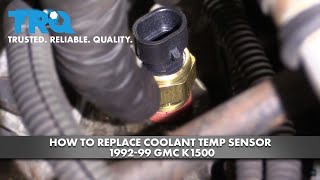
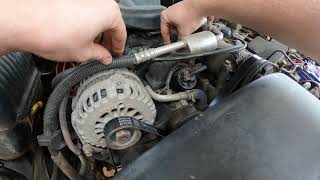
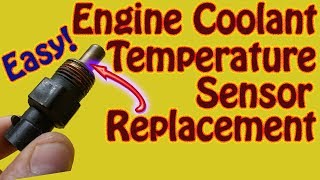
Yes, this is a great DIY job for beginners. It typically requires only basic hand tools, such as a deep socket or wrench. The job can be done in under 30 minutes. 🎬 Watch this step-by-step guide for replacing the sensor on TBI models. Just make sure the engine is completely cool before you start.
Do I need to drain the coolant to replace the sensor?
You do not need to drain the entire cooling system. Some coolant will leak out of the sensor's port when you remove it. If you work quickly and have the new sensor ready to install, you will only lose a small amount. Be sure to top off the coolant level in the radiator after you are finished.
My temperature gauge doesn't work. Is it the ECT sensor?
It could be, but maybe not. On many of these older GM trucks, there are two separate units: an ECT sensor with two wires for the computer and a temperature *sender* with one wire for the gauge. If only your gauge is faulty, you may need to replace the sender, not the ECT sensor. Check which one you have before buying parts.
Helpful Videos

Technical Specifications
OEM Part Numbers: 19236568 213-4514 213-77
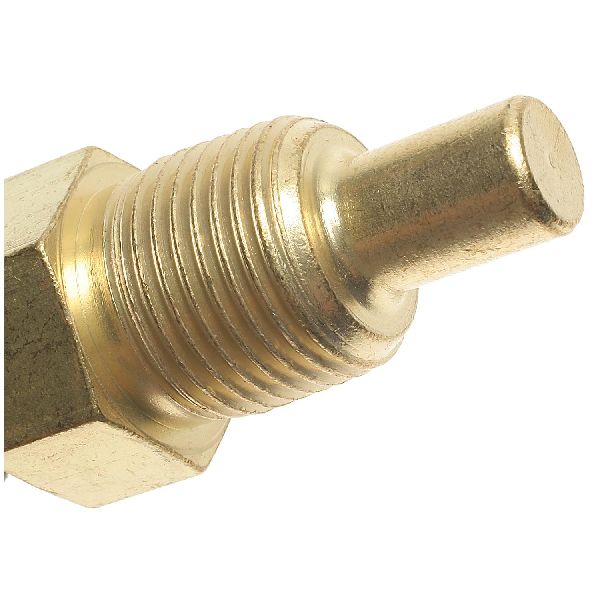
Typically has a 2-pin connector and a 3/8-18 thread size. Located on the intake manifold near the thermostat housing.
We Have This Part in Stock



The information in this article is provided for general reference and educational purposes only. Vehicle specifications, procedures, and part compatibility can vary by production date, trim level, and region. Always consult your vehicle's factory service manual and verify part numbers before purchasing or performing repairs. Safety-critical components such as airbags, seat belts, and braking systems should be installed by a qualified professional.
- GMC C1500:
- 🎬 Helpful Videos
- 🛍️ Shop This Part
- Is your C1500 running rough or guzzling gas?
- Symptoms of a Failing ECT Sensor on a GMC C1500
- Common Ordering Mistake
- Choosing the Right Aftermarket Sensor: OEM vs. Aftermarket
- Aftermarket Brand Tiers
- Pro Tip: Quick Swap
- Cost of Replacing an ECT Sensor (1981-1994 GMC C1500)
- Frequently Asked Questions (FAQ)
- 🎟️ Get 5% Off