

Volkswagen Transporter (Vanagon) Ignition Coil: A Comprehensive Guide for 1981-1994 Models
If your Vanagon is sputtering, stalling, or refusing to start, a failing ignition coil could be the culprit.
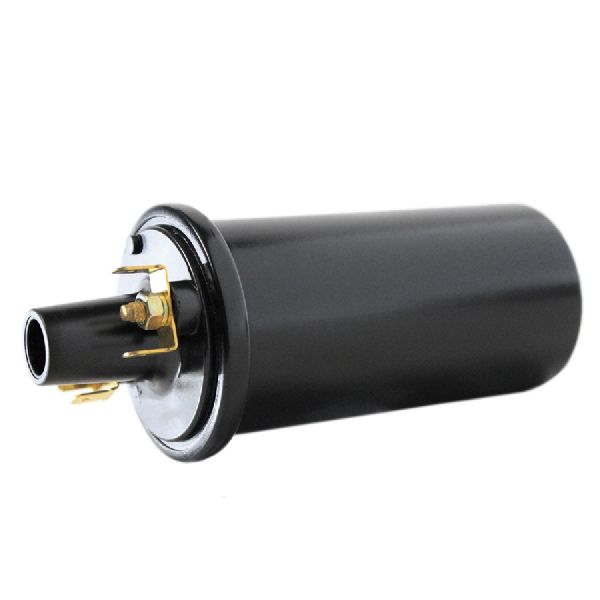
- Focus on the single canister-style coil for 1981-1992 Vanagons; 1993-94 Eurovans use a different part.
- A coil that is extremely hot to the touch often points to a failing ECU, which can destroy a new coil quickly.
- Symptoms include no-start, stalling when hot, and rough running.
- Replacement is very easy and a good DIY task; while you're there, check grounds and other ignition parts.
Is Your Ignition Coil Failing? Common Symptoms
A bad ignition coil on a VW Vanagon makes itself known through several distinct symptoms. Because it's a single point of failure for the entire ignition system, problems are usually obvious and affect the whole engine, not just one cylinder.
- No-Start Condition: The engine cranks but never fires up. This happens when the coil fails completely and produces no spark.
- Engine Sputtering or Misfiring: The van may cough, sputter, and run erratically, especially under acceleration.
- Stalling, Especially When Hot: A common complaint is the van running fine when cold but stalling after it warms up. The coil gets hot, its internal wiring expands, and a weak connection breaks, killing the spark. After it cools down, it may start again.
- Noticeable Loss of Power: Your van may feel sluggish and weak because the spark isn't strong enough to burn the fuel efficiently.
- Coil Is Hot to the Touch: After running, a failing coil can become extremely hot. In some cases, you might even see oil leaking from it. This is a major red flag.
A Note on Hot Coils and Your ECU
An extremely hot ignition coil on a Vanagon is often a symptom of another problem: a failing Engine Control Unit (ECU). The ECU controls how long the coil is charged before it fires (a period called "dwell time"). A faulty ECU can keep the coil charged for too long, causing it to overheat and fail prematurely. If you replace a hot, failed coil without checking the ECU, the new coil may burn out quickly too.
Choosing the Right Aftermarket Ignition Coil
When shopping for a new coil, you'll find options from budget-friendly to premium. For a critical part like this on an older vehicle, quality matters. OEM VW coils were often made by Bosch, which is a reliable benchmark.
Brand Tiers
- Premium Brands (Standard Ignition, Facet): Brands like Standard Motor Products (SMP) and Facet have a reputation for quality. Standard is known for often engineering parts to be better than the original, while Facet is a European manufacturer focused on meeting OEM standards. These are solid choices for reliability.
- Standard/Economy Brands (Spectra, DriveWire, etc.): Brands like Spectra Premium offer parts at a lower price point, often with a lifetime warranty. However, owner experiences can be mixed, with some reporting premature failures despite the warranty. If choosing a budget-friendly option, be prepared that you may be sacrificing some long-term durability for upfront savings. For brands with fewer public reviews, check the warranty and return policy before buying.
Pro Tip: While you're replacing the coil, it's a perfect time to inspect your spark plug wires, distributor cap, and rotor. These parts wear out and can cause similar running issues. Also, check and clean the engine and transmission ground straps, as poor grounds are a common source of electrical problems on Vanagons.
Cost of Replacing a VW Transporter Ignition Coil
Replacing the ignition coil is one of the more affordable repairs you can make. The part itself is not expensive, and labor is minimal.
| Part/Service | Estimated Cost |
|---|---|
| New Aftermarket Ignition Coil | $29 - $75 |
| New OEM Ignition Coil | $80 - $150 |
| Shop Labor | $50 - $100 |
Note: The aftermarket price range for this part can be very wide ($29.03 - $314.06). The lower end reflects standard canister coils for the Vanagon, while the high end may reflect coil packs for the much newer T4 Eurovan models or performance kits.
Frequently Asked Questions (FAQ)
Is it hard to replace the ignition coil myself?
No, this is a great DIY job for beginners. The coil is usually mounted in the engine bay with a simple bracket and has two small electrical wires and one large high-tension wire going to the distributor. The job typically takes less than 30 minutes with basic hand tools.
Do I need a special coil for my 1993-1994 Transporter?
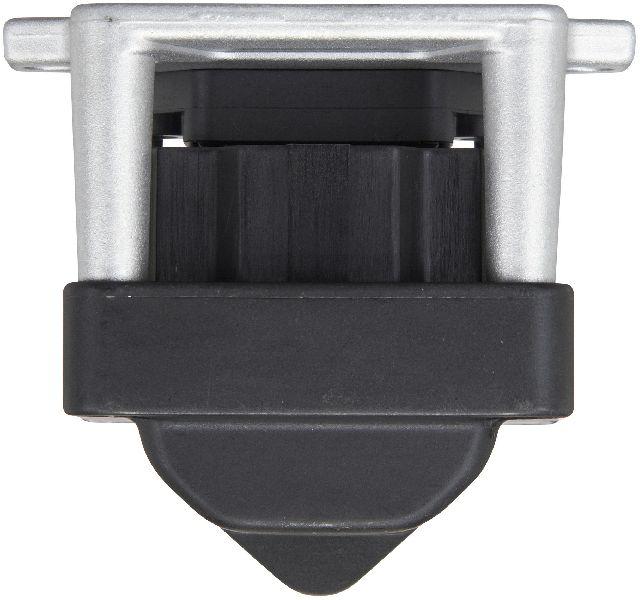
Yes. In the US market, 1993 and 1994 models are T4 Eurovans, not T3 Vanagons. These vans use different engines and ignition systems, which may use a more modern ignition coil pack instead of the single canister coil. Ensure you are buying the correct part for your specific year and engine.
Are there any recalls on the Transporter ignition coil?
No, there are no active recalls or widespread Technical Service Bulletins (TSBs) from Volkswagen or the NHTSA for ignition coil failure on the 1981-1994 Transporter. Failures are typically due to age and normal wear.
What's the difference between an OEM and aftermarket coil?
An OEM (Original Equipment Manufacturer) coil is the same part the vehicle was built with, often a brand like Bosch. Aftermarket parts are made by other companies. Premium aftermarket brands like Standard or Facet aim to meet or exceed OEM quality, while economy brands focus on a lower price, sometimes with a trade-off in materials or longevity.
Technical Specifications
OEM Part Numbers: 211905115D
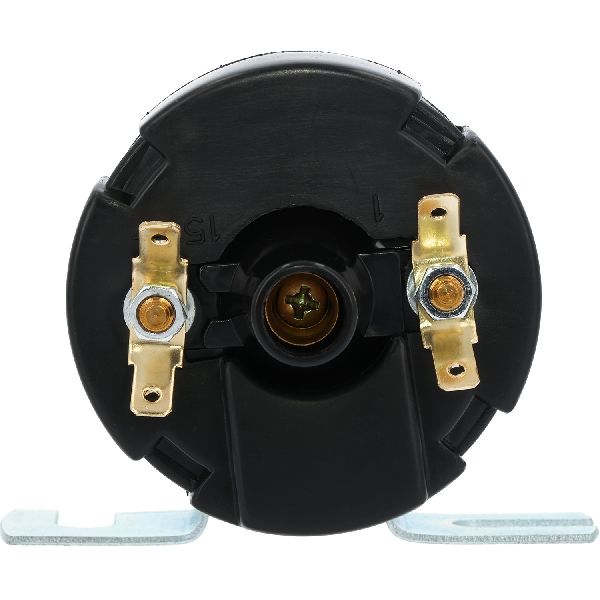
This guide primarily covers the single, oil-filled or epoxy-filled canister-style ignition coil used on water-cooled and air-cooled 1981-1992 VW Vanagons (T3). It features a central high-tension output and two low-voltage terminals (1 and 15). 1993-1994 Eurovan (T4) models use different ignition systems, often a block-style coil pack.
We Have This Part in Stock


The information in this article is provided for general reference and educational purposes only. Vehicle specifications, procedures, and part compatibility can vary by production date, trim level, and region. Always consult your vehicle's factory service manual and verify part numbers before purchasing or performing repairs. Safety-critical components such as airbags, seat belts, and braking systems should be installed by a qualified professional.
- Volkswagen Transporter: