

Chevrolet G10 Engine Coolant Temperature Sensor Guide (1981-1995)
Solving poor engine performance and incorrect gauge readings on your 1981-1995 Chevy G10 starts with this critical sensor.
- Your G10 has two temperature sensors: a two-wire sensor for the computer and a one-wire sender for the gauge. Identify your symptoms to replace the correct part.
- A failing ECT sensor will cause poor engine performance like bad fuel economy and rough idle, not just a bad gauge reading.
- Replacement is simple and can be done in under 30 minutes with basic tools, making it a great DIY job.
- Choosing a quality brand like Delphi or Standard Motor Products is recommended to ensure accurate temperature readings for the computer.
Is it a Sensor or a Sender? A Critical Distinction for Your G10
On 1981-1995 Chevrolet G10 vans, especially those with TBI (Throttle Body Injection) engines like the 5.7L V8, there are two different parts that measure coolant temperature. Ordering the correct one is crucial.
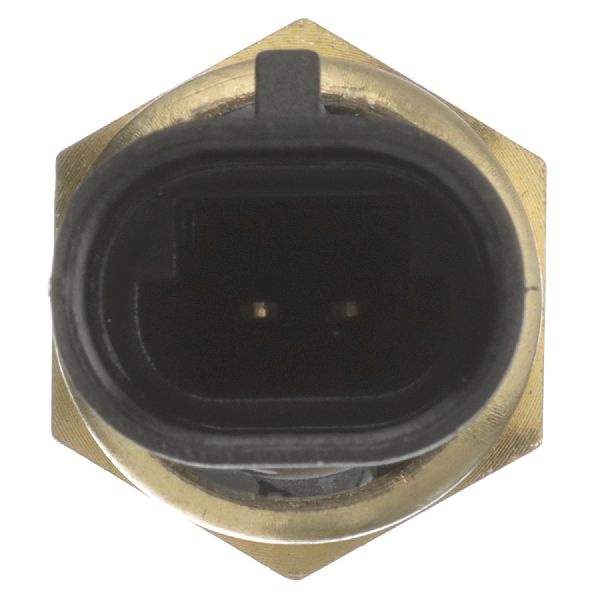
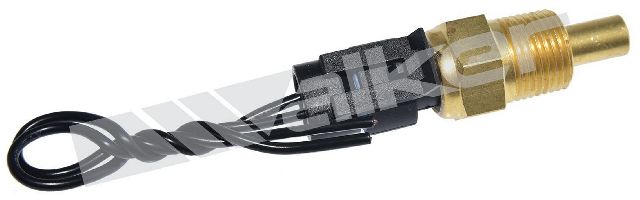
- Engine Coolant Temperature (ECT) Sensor: This is for the engine computer (ECM). It has a two-wire electrical connector and is usually located on the front of the intake manifold, near the thermostat housing. If this sensor fails, you will experience engine performance problems.
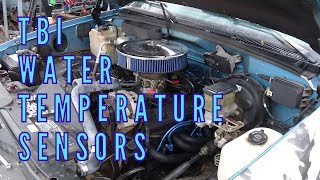
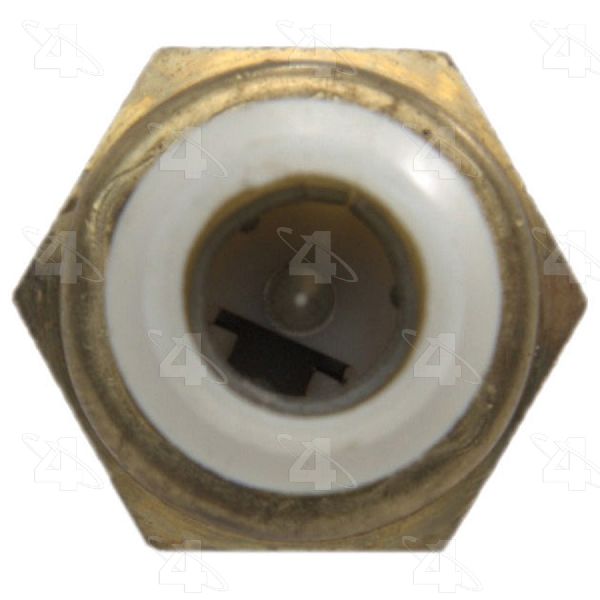
- Temperature Sender/Switch: This is for the temperature gauge on your dashboard. It is a smaller unit with a single wire connector. It is typically found screwed into the driver's side cylinder head, between the spark plugs. 🎬 Watch this video to see the difference between both units. If this part fails, your gauge will stop working correctly, but your engine will run fine.
Avoid a Common Mistake
Before ordering, identify your symptoms. If you have a bad gauge reading, you need the sender. If you have poor engine performance (rough idle, bad mileage, Check Engine Light), you need the sensor. This guide focuses on the two-wire ECT sensor for the engine computer.
Symptoms of a Failing G10 ECT Sensor
When the main ECT sensor sends incorrect information to the computer, the engine doesn't know its true operating temperature. This can lead to several noticeable problems:
- Poor Fuel Economy: If the sensor is stuck reading "cold," the computer will continuously enrich the fuel mixture, wasting gas.
- Black Smoke from Exhaust: A very rich fuel mixture can result in unburnt fuel exiting through the exhaust, creating black smoke.
- Rough Idle and Stalling: The computer can't set the correct idle parameters, causing the engine to run rough or stall, especially when warm.
- Hard Starting: An incorrect temperature reading can make it difficult to start the engine, particularly when it's already warm.
- Check Engine Light: On OBD-I systems used in these vans, a faulty ECT sensor can trigger a trouble code (often Code 15). 🎬 See how to diagnose a faulty coolant temperature sensor.
- Engine Overheating: In some cases, a faulty sensor can fail to trigger the electric cooling fans (if equipped) at the right time, leading to overheating.
Choosing the Right Aftermarket Sensor
For a vehicle like the G10, the quality of aftermarket parts can vary. While a genuine GM part is always a safe bet, several aftermarket brands offer a good balance of quality and value. The key is for the sensor's internal resistor to match the original's specifications perfectly.
Aftermarket Brand Tiers
| Tier | Brands | Notes |
|---|---|---|
| Premium Brands | Delphi, NGK (NTK), Beck Arnley | Delphi was an original equipment (OE) supplier to GM, making their parts a top choice for fit and function. NGK/NTK is also highly regarded for sensor technology. These brands are your best bet for OE-level performance. |
| Standard Replacement | Standard Motor Products (SMP), Walker Products, Holstein | SMP is a well-known and reliable aftermarket brand with a solid reputation. These brands offer good quality for daily drivers and are a dependable choice for repairs. |
| Economy Brands | True Tech, Global Parts, Facet | These brands provide a low-cost option. While they can work, there is a higher risk of the sensor's resistance values not perfectly matching the original, which could lead to minor performance issues. They are best used for budget-conscious repairs where perfect engine tuning is less critical. |
Pro Tip: Quick Replacement
When replacing the sensor, make sure the engine is completely cool. Have the new sensor ready in your hand as you unscrew the old one. As soon as the old sensor is out, quickly thread the new one in. This will minimize coolant loss and save you time.
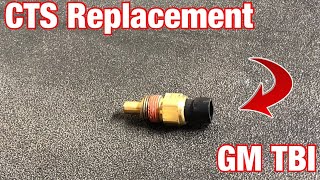
🎬 Watch a quick walkthrough of the CTS replacement process.Frequently Asked Questions
Where is the ECT sensor located on my G10?
The main Engine Coolant Temperature (ECT) sensor, which talks to the computer, is located on the front of the intake manifold, usually right next to the thermostat housing where the large upper radiator hose connects. The sender for the dashboard gauge is on the driver's side cylinder head.
Do I need to drain the coolant to replace the sensor?
You do not need to drain the entire system. Some coolant will leak out of the sensor port when you remove the old one. If you are quick about swapping the new sensor in, you will only lose a small amount which can be easily topped off.
What tools do I need for the job?
You will typically need a deep socket wrench. Common sizes for this sensor on GM engines are 19mm or 13/16". You may also need a small flathead screwdriver to help release the clip on the electrical connector.
Why is my temperature gauge not working but the engine runs fine?
This is a classic symptom of a failed temperature sender, not the main ECT sensor. The sender is a separate, single-wire part that only controls the gauge. Replacing the main two-wire ECT sensor will not fix a dead dashboard gauge.
Helpful Videos

Technical Specifications
OEM Part Numbers: 15326386 12146312 25036979 10045847
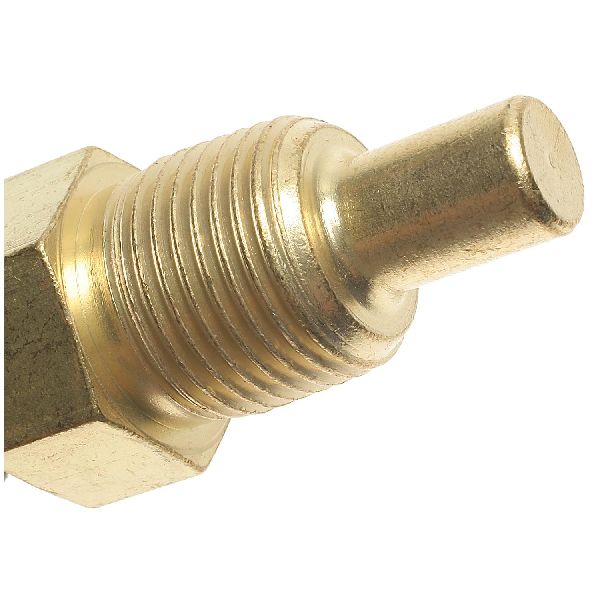
Connector: 2-Pin Female. Thread Size: 3/8" - 18 NPTF.
We Have This Part in Stock



The information in this article is provided for general reference and educational purposes only. Vehicle specifications, procedures, and part compatibility can vary by production date, trim level, and region. Always consult your vehicle's factory service manual and verify part numbers before purchasing or performing repairs. Safety-critical components such as airbags, seat belts, and braking systems should be installed by a qualified professional.
- Chevrolet G10: