

Chevrolet P30 Engine Coolant Temperature Sensor Guide for 1982-1986 Models
Is your P30 running rich, getting poor gas mileage, or idling rough? Your coolant temperature sensor might be the problem.
- Verify if your P30 has Throttle Body Injection (TBI), as this sensor is critical for its operation.
- A bad sensor's most common symptoms are terrible gas mileage and black exhaust smoke.
- Do not confuse the two-wire ECT sensor for the computer with the one-wire sender for the dashboard gauge.
- Replacement is simple and a quality aftermarket brand like Standard Ignition or NGK is a reliable and cost-effective choice.
Is Your P30 Carbureted or Fuel Injected?
First, you must know your fuel system. During this period, the P30 chassis could have a carburetor or Throttle Body Injection (TBI). A TBI system relies heavily on the ECT sensor to run correctly. A carbureted engine's performance is not as dependent on this specific sensor for its main fuel and air mixture. This guide focuses on the two-wire ECT sensor used by the engine computer on TBI models.
Common Symptoms of a Failing ECT Sensor
When the ECT sensor fails, it usually sends a false signal to the engine computer, telling it the engine is always cold. This can cause several noticeable problems:
- Poor Fuel Economy: The computer continuously provides a rich fuel mixture, as if the engine is always warming up, which wastes gas.
- Black Smoke from Exhaust: The rich fuel mixture doesn't burn completely, resulting in black smoke coming from the tailpipe.
- Check Engine Light: On TBI models, a faulty sensor will trigger the 'Service Engine Soon' light. The most common OBD-I codes are 14 (high temp) and 15 (low temp).
- Rough Idle or Stalling: An incorrect fuel-to-air ratio can make the engine run rough, especially when it should be at normal operating temperature.
- Hard Starting: The engine may be difficult to start, either when cold or hot, because the fuel mixture is wrong for the conditions.
Choosing the Right Aftermarket Sensor
For a vehicle like the 1982-1986 P30, finding a new OEM sensor from a dealer is nearly impossible. Aftermarket parts are the practical and affordable solution. They can be grouped into quality tiers.
Premium Brands (Recommended):
- Standard Ignition (SMP): A well-regarded brand known for making parts that meet or exceed OEM quality. They are a trusted choice for reliability.
- NGK (NTK): Known for ignition parts and sensors, NTK is another top-tier brand that focuses on OE-level fit and performance.
Standard/Value Brands:
- Holstein, Four Seasons, Motorad, Global Parts, True Tech: These brands offer a more budget-friendly option. They are functional and will get the job done, making them a reasonable choice for this workhorse chassis. While they may not have the same long-term durability guarantees as premium brands, they provide good value.
Pro Tip: Before installing the new sensor, it's a good idea to wrap the threads with a small amount of Teflon tape or apply a thread sealant to prevent coolant leaks. Many new sensors come with sealant already applied.
Cost to Replace a P30 Coolant Temperature Sensor
| Part/Service | Estimated Cost |
|---|---|
| New Aftermarket Part | $12 - $33 |
| Shop Labor | $60 - $120 |
| Total Estimated Cost | $72 - $153 |
*Costs are estimates and can vary based on your location and the specific repair shop. This repair is highly suitable for DIY, which would eliminate labor costs.
Frequently Asked Questions (FAQ)
Where is the ECT sensor located on the P30?
On Chevrolet V8 engines of this era (like the 454 or 350), the two-wire ECT sensor for the computer is usually located on the front of the intake manifold, near the thermostat housing. Do not confuse it with the single-wire temperature *sender* for the dashboard gauge, which is often located in the cylinder head.
What's the difference between the sensor and the sender?
They are two different parts. The ECT Sensor has two wires and sends temperature information to the engine computer (ECU/PCM). The Temperature Sender (or switch) usually has one wire and operates the temperature gauge on your dashboard. If your gauge is acting up but the engine runs fine, the sender is likely the problem. If the engine runs poorly and gets bad gas mileage, the sensor is the likely culprit.
Do I need to drain all the coolant to replace it?
No, you don't need to drain the entire system. However, the sensor is below the coolant level, so some coolant will leak out when you remove the old one. To minimize the mess, have the new sensor ready to screw in immediately. Always perform this job on a cold engine to avoid burns and reduce coolant loss.
Are there any recalls for this part?
No. Searches of the National Highway Traffic Safety Administration (NHTSA) database show no recalls specifically for the engine coolant temperature sensor on the 1982-1986 Chevrolet P30.
Technical Specifications
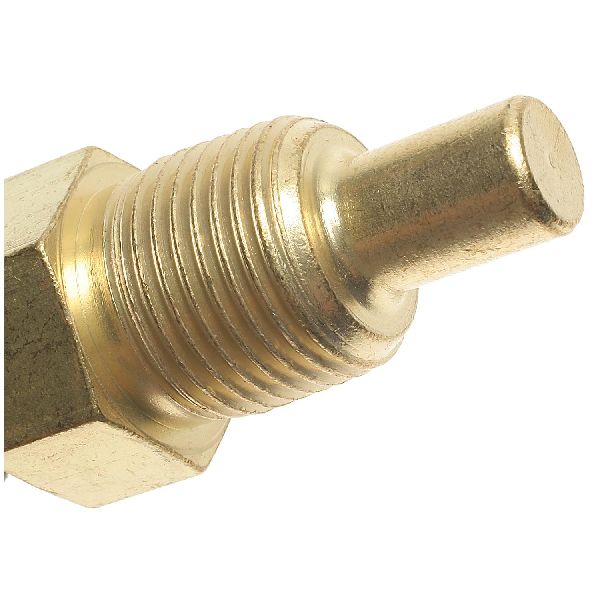
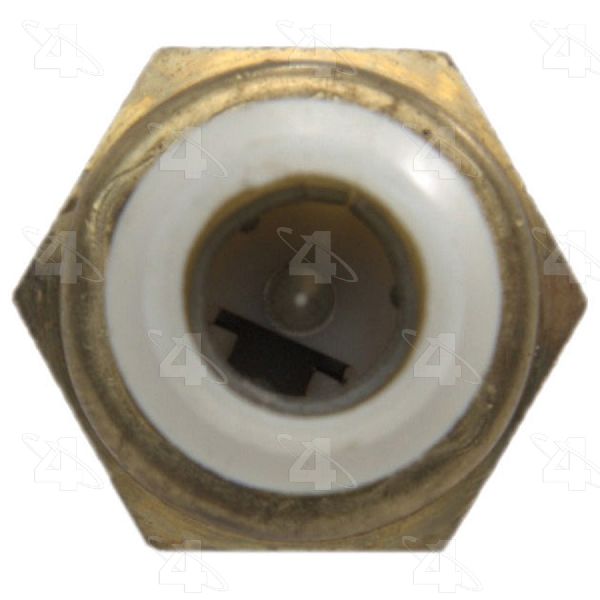
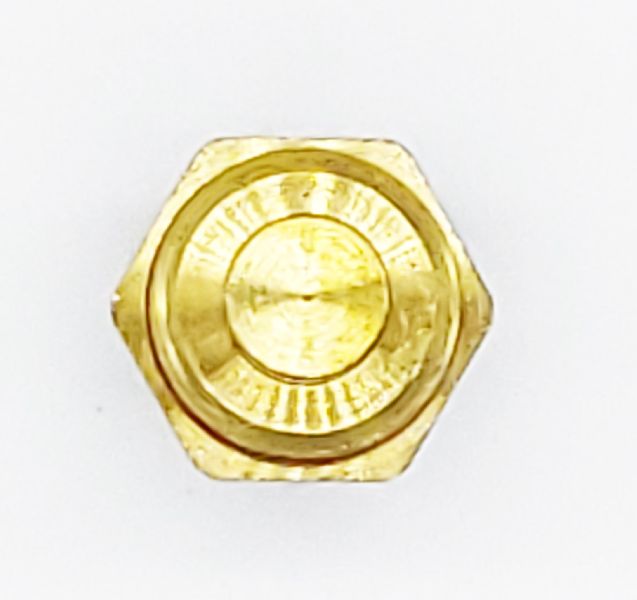
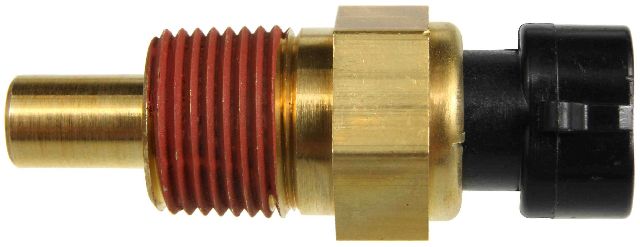
Two-terminal thermistor sensor, typically with a brass body and a 3/4 inch hex head. Connector shape can vary, so visual confirmation is recommended.
We Have This Part in Stock



The information in this article is provided for general reference and educational purposes only. Vehicle specifications, procedures, and part compatibility can vary by production date, trim level, and region. Always consult your vehicle's factory service manual and verify part numbers before purchasing or performing repairs. Safety-critical components such as airbags, seat belts, and braking systems should be installed by a qualified professional.
- Chevrolet P30: