

Chevrolet S10 Starter Guide for 1982-1987 Models
Everything a first-generation S10 owner needs to know about diagnosing and replacing a failing starter.
- A single click with no crank is a classic symptom of a bad starter on an S10.
- Properly using shims is critical to prevent grinding and premature failure of the new starter.
- Before replacing the starter, always verify the battery is fully charged and the cable connections are clean and tight.
- No recalls or specific TSBs have been issued for the starter on the 1982-1987 Chevrolet S10.
Is Your S10 Starter Failing? Common Symptoms
A starter motor rarely fails without giving some warning signs. For the 1982-1987 S10, these are the most common symptoms that your starter is on its way out.
- Single, Loud Click, Then Nothing: This is the classic sign of a bad starter solenoid or a dead spot in the starter motor. The click is the solenoid trying to engage, but the motor itself fails to turn. This can also be caused by low battery voltage or poor connections.
- Slow or Labored Cranking: If your engine turns over much slower than usual, it can indicate a worn-out starter motor that is drawing too much power or struggling to turn the engine. This can sometimes be caused by internal wear and tear.
- Grinding Noise: A harsh grinding sound when you try to start the engine can mean the starter gear isn't meshing correctly with the flywheel. This could be due to worn gear teeth or, very commonly on these trucks, improper starter shimming.
- No Sound at All: If you turn the key and get complete silence—no click, no crank—the problem could be the ignition switch, wiring, or a completely failed starter motor or solenoid.
- Heat Soak Issues: A common problem on older GM vehicles, especially those with V6 engines, is heat soak. The starter works fine when the engine is cold, but after a long drive, the heat from the engine and exhaust prevents the starter from working until it cools down.
Critical Installation Note: Starter Shims
One of the most important and often overlooked parts of replacing a starter on an S10 from this era is the use of starter shims. Shims are thin metal strips placed between the starter and the engine block to get the correct gear alignment. Failing to use the original shims or to check the clearance for the new starter can cause grinding noises and will quickly destroy the new starter's gear and the engine's flywheel. Always check for shims when removing the old starter.
Choosing the Right Aftermarket Starter
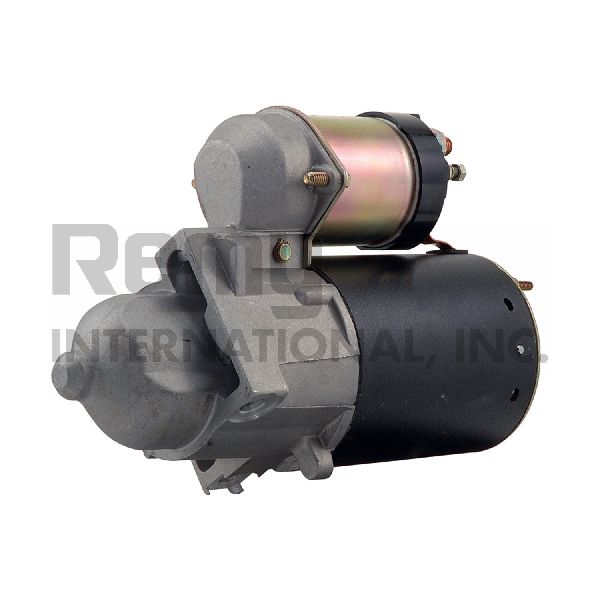
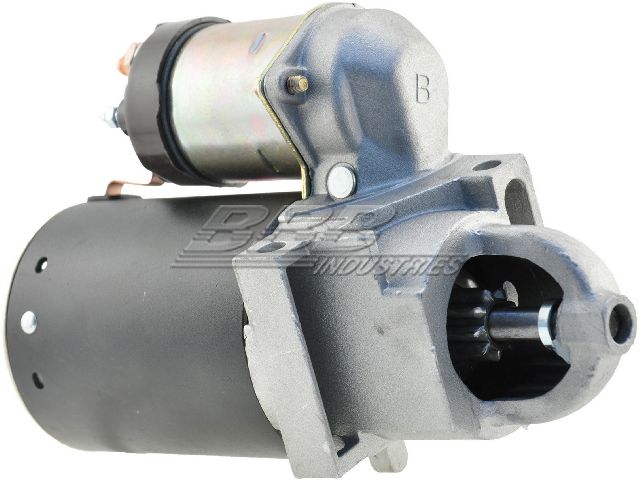
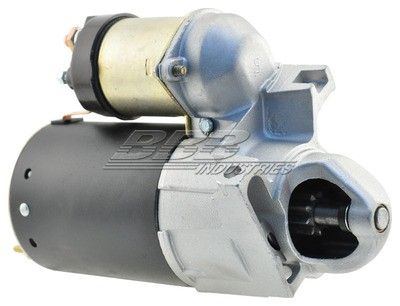
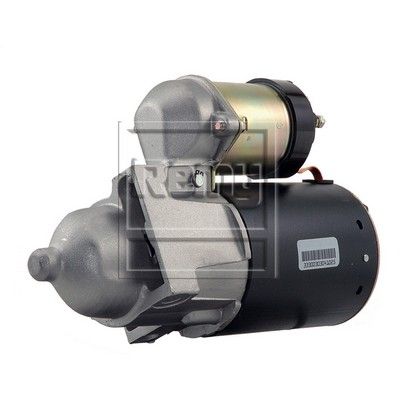
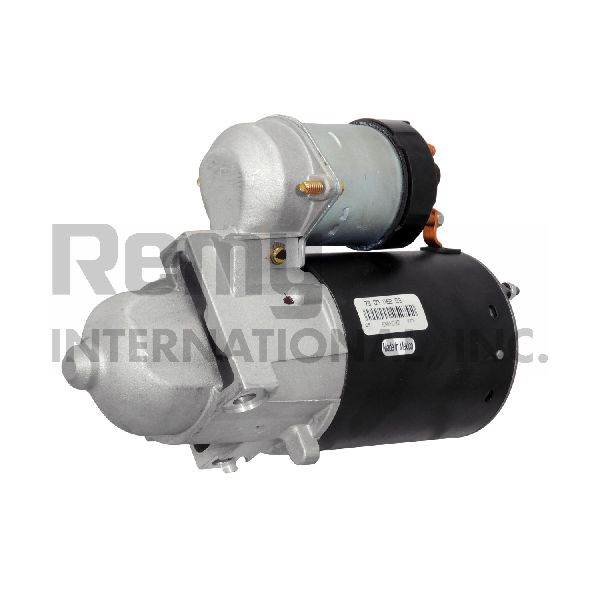
Since new OEM starters for this generation of S10 are no longer available from Chevrolet, owners must rely on the aftermarket. The quality can vary, but good options are available. The brands available in our inventory—BBB Industries, Remy, and WAI Global—are all established manufacturers of aftermarket electrical parts.
- BBB Industries: A large remanufacturer of starters and alternators for many parts stores. They offer remanufactured starters that are rebuilt to meet original specifications.
- Remy: Historically a part of GM, Remy is now an independent company with a long history in automotive electrical parts. They are a common go-to brand for many mechanics, though like any brand, experiences can vary.
- WAI Global: WAI builds brand-new starters for a wide range of vehicles. User reviews are generally positive, citing good value and performance, though some have reported issues.
When choosing a part, a new starter from a quality brand like WAI Global can be a good choice as all components are new. However, a premium remanufactured starter from a brand like BBB Industries or Remy can also provide reliable service, as they are rebuilt to OE standards with new wear components.
Cost of Replacing Your S10 Starter
The cost to replace the starter on a 1982-1987 S10 will depend on the part you choose and whether you do the work yourself or hire a professional.
| Item | Estimated Cost |
|---|---|
| New Aftermarket Starter | $111.48 - $144.29 |
| Shop Labor | $167 - $246 |
| Total Professional Replacement | $278 - $390 (Estimated) |
Frequently Asked Questions (FAQ)
How do I know if I have a bad starter or a bad battery?
A simple test is to turn on your headlights and try to start the truck. If the headlights dim significantly or go out completely, you likely have a weak battery or a bad connection. If the headlights stay bright while you hear a click, the problem is more likely the starter itself. Most auto parts stores can test your battery for free to confirm its health.
Do I really need to use shims?
Yes. Proper shimming is critical on these trucks. The goal is to have a small amount of clearance between the starter gear and the flywheel teeth when engaged. Not shimming correctly is a leading cause of new starter failure and grinding noises. Always transfer the shims from the old starter to the new one and check the fit.
Were there any recalls on the 1982-1987 S10 starter?
No. Searches of the National Highway Traffic Safety Administration (NHTSA) database show no recalls or technical service bulletins (TSBs) specifically related to the starter motor for this generation of Chevrolet S10.
Is replacing the starter a difficult DIY job?
For a DIY mechanic with some experience, it's a manageable job. The starter is typically held on by two bolts and is located where the engine meets the transmission. Access can be tight, especially on 4WD models, and may require removing a support brace or jacking the engine slightly for clearance. Always disconnect the negative battery terminal before starting work.
Helpful Videos

Technical Specifications
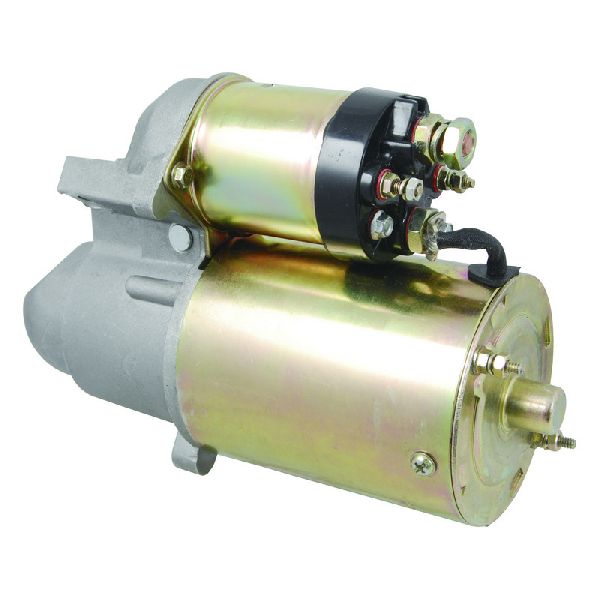
The starter is typically a 12-volt, direct-drive motor. Different starters may be required for 4-cylinder vs. V6 engines. Proper shimming to achieve a pinion-to-flywheel clearance of approximately .020" is crucial for installation.
We Have This Part in Stock

The information in this article is provided for general reference and educational purposes only. Vehicle specifications, procedures, and part compatibility can vary by production date, trim level, and region. Always consult your vehicle's factory service manual and verify part numbers before purchasing or performing repairs. Safety-critical components such as airbags, seat belts, and braking systems should be installed by a qualified professional.
- Chevrolet S10: