

1982-1989 Chevrolet P20 Engine Coolant Temperature Sensor Guide
Fix poor running and bad fuel economy on your P20 by understanding and replacing the right temperature sensor.
- Your P20 likely has two temp sensors; identify the correct one (for the ECU, with two wires) before buying.
- A bad ECT sensor commonly causes poor fuel economy, black smoke, and rough running.
- Replacement is simple, requires basic tools, and can be done in under 30 minutes with a cool engine.
- Choosing a quality brand like Delphi, NGK, or Standard is recommended over budget options for this critical sensor.
Is Your P20 Running Rough? It Could Be the Coolant Sensor.
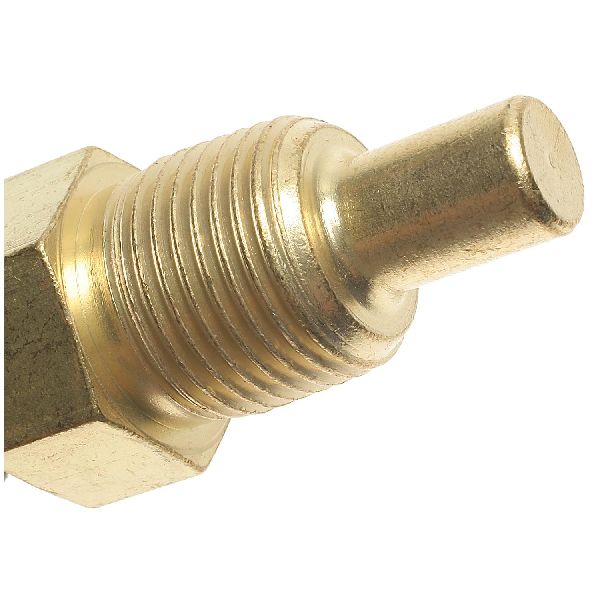
If your Chevrolet P20 is experiencing issues like poor fuel mileage, black exhaust smoke, or a rough idle, a faulty Engine Coolant Temperature (ECT) sensor is a common cause. This sensor tells the engine's computer how hot the coolant is, which affects how much fuel is injected. A bad sensor can trick the computer into thinking the engine is always cold, causing it to run rich. This wastes fuel and can cause driveability problems.
A Critical Note for P20 Owners: Two Different Sensors
Most 1980s GM trucks, including the P20, have two separate temperature sensors. It is very important to order the correct one.
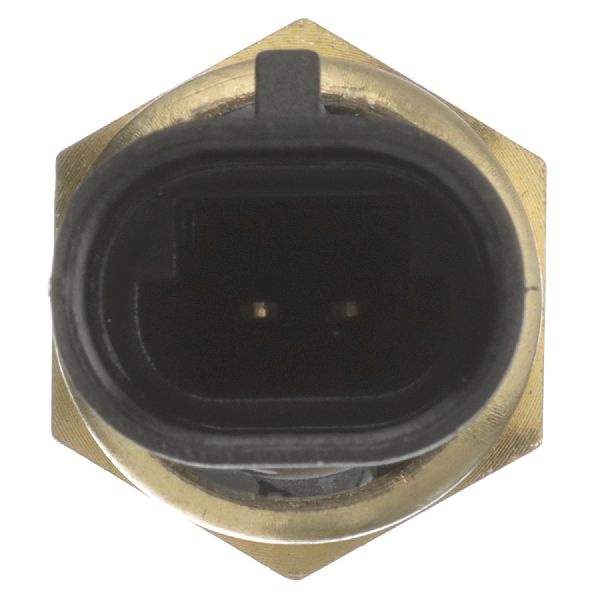
- Engine Coolant Temperature (ECT) Sensor: This sensor talks to the engine computer (ECU). It usually has a two-wire connector and is critical for engine performance. This is the part this guide focuses on.
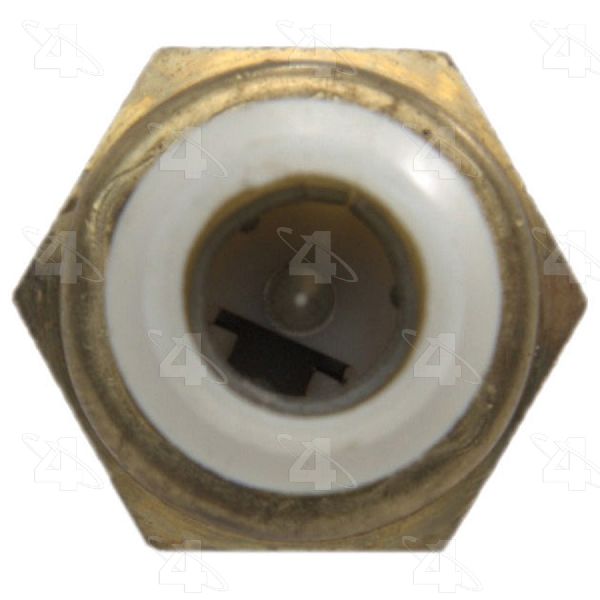
- Temperature Sender/Switch: This sensor operates the temperature gauge on your dashboard. It typically has a single-wire connector.
Ordering the wrong part is the most common mistake. The gauge sender will not work for the engine computer, and the ECT sensor will not make your dashboard gauge read correctly. Double-check the connector on your old part before ordering.
Choosing the Right Aftermarket Sensor
For a vehicle like the 1982-1989 P20, finding a brand-new OEM part from GM is highly unlikely. The good news is that many aftermarket brands produce quality replacement sensors that meet or exceed original specifications. However, quality can vary significantly between brands. Based on general reputation among mechanics and vehicle owners, we can group the available brands into tiers.
Tier 1: Premium & OEM-Equivalent Quality
These brands are known for their high-quality standards and are often original equipment suppliers to many automakers. For a critical sensor, choosing one of these brands is a smart investment.
- Delphi: A former part of General Motors, Delphi has a strong reputation for producing parts that are equivalent to original equipment for GM vehicles.
- NGK: A world-renowned manufacturer known for excellent sensors and ignition components. A top-tier choice.
- Standard Ignition (SMP): A long-standing, reputable American company that produces reliable sensors.
Tier 2: Reputable Aftermarket
These brands are well-known in the aftermarket and generally provide reliable parts for daily driver repairs. They offer a good balance of price and quality.
- Hella: A major German OEM and aftermarket supplier with a long history of quality electronics.
- Beck Arnley: Historically known for repackaging OEM parts, their quality can be more variable now. It can be a good part, but is less consistent than Tier 1 brands.
Tier 3: Economy Brands
These brands compete primarily on price. While they may offer a functional part with an attractive warranty, forum discussions show a higher likelihood of inconsistent performance or early failure. For a sensor that directly impacts engine performance and fuel economy, using a Tier 1 or Tier 2 brand is strongly recommended.
- Four Seasons: Often considered a budget-friendly brand.
- Holstein: Generally viewed as a low-cost option, with some user reviews advising against using them for critical sensors.
- Global Parts, True Tech: These fall into the economy category.
How Much Does a New ECT Sensor Cost?
The cost for a new aftermarket Engine Coolant Temperature Sensor for your P20 is very reasonable. The main cost difference is brand reputation and quality control.
| Part Type | Price Range | Notes |
|---|---|---|
| New Aftermarket | $12.58 - $37.74 | Price varies by brand quality. Premium brands are at the higher end of this range. |
| Shop Labor | $60 - $120 | A mechanic can typically replace this part in under an hour. |
Pro Tip: Quick Replacement
When you are ready to swap the sensor, make sure the engine is completely cool. Have the new sensor ready and within arm's reach. When you unscrew the old sensor, some coolant will start to leak out. Quickly remove the old one and thread in the new one by hand to plug the hole. This will minimize coolant loss and the need to bleed the cooling system.
Frequently Asked Questions
Where is the ECT sensor located on my P20?
On Chevrolet engines from this era (like the 350 V8), the ECT sensor for the computer is typically located on the top of the intake manifold, near the thermostat housing. The separate sensor for the dashboard gauge is often found on the side of a cylinder head, between the spark plugs. Always verify the location on your specific engine.
Is this a difficult part to replace myself?
No, this is a great DIY job for beginners. It usually requires only basic hand tools, like a wrench or a deep socket. The main steps are unplugging the electrical connector, unscrewing the old sensor, and quickly installing the new one. Make sure the engine is cold before you start to avoid burns and pressure in the cooling system.
Do I need to drain the coolant to replace it?
You do not need to fully drain the cooling system. A small amount of coolant will leak out when you remove the sensor. If you are fast with the swap, you will lose very little. It's a good idea to have a rag handy to clean up any spills.
What is the difference between an ECT sensor and a thermostat?
The ECT sensor is an electronic device that measures temperature and sends a signal. The thermostat is a mechanical valve that opens and closes to control the flow of coolant and regulate the engine's temperature. They work together, but are different parts with different jobs.
Technical Specifications
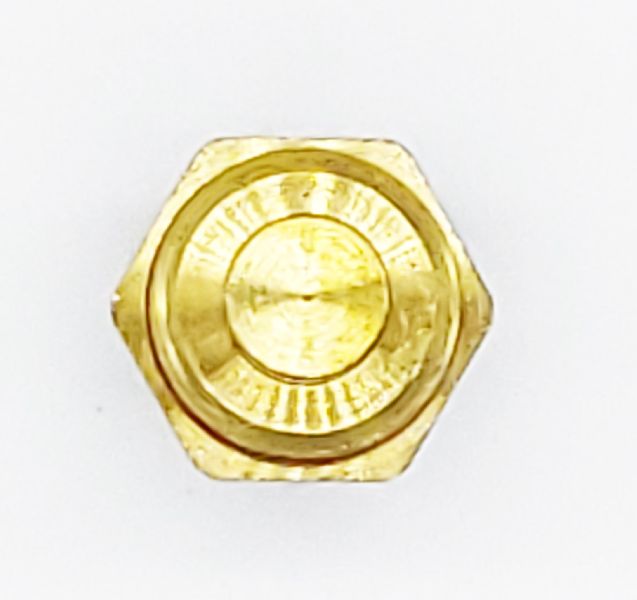
Thread size is typically 3/8 inch NPT for this application. Connector type is a two-pin connector, often with a plastic clip.
We Have This Part in Stock



The information in this article is provided for general reference and educational purposes only. Vehicle specifications, procedures, and part compatibility can vary by production date, trim level, and region. Always consult your vehicle's factory service manual and verify part numbers before purchasing or performing repairs. Safety-critical components such as airbags, seat belts, and braking systems should be installed by a qualified professional.
- Chevrolet P20:
- 🛍️ Shop This Part
- Is Your P20 Running Rough? It Could Be the Coolant Sensor.
- A Critical Note for P20 Owners: Two Different Sensors
- Choosing the Right Aftermarket Sensor
- Tier 1: Premium & OEM-Equivalent Quality
- Tier 2: Reputable Aftermarket
- Tier 3: Economy Brands
- How Much Does a New ECT Sensor Cost?
- Pro Tip: Quick Replacement
- Frequently Asked Questions
- 🎟️ Get 5% Off