

1982-1990 Chevrolet Cavalier Engine Coolant Temperature Sensor Guide
Understanding the key sensor that affects your Cavalier's fuel economy and engine performance.
- A bad ECT sensor is a primary cause of sudden poor gas mileage and a check engine light on an early Cavalier.
- Symptoms include poor fuel economy, black exhaust smoke, rough idle, and potential overheating.
- Replacement is a simple, inexpensive DIY job that most owners can perform in under 30 minutes.
- For this vehicle, a quality aftermarket brand like Standard Ignition or Delphi is a reliable and cost-effective choice.
The Role of the ECT Sensor in Your Cavalier
For the first-generation Chevrolet Cavalier, with its early electronic fuel injection (EFI) systems, the Engine Coolant Temperature (ECT) sensor is a vital component. It acts as the engine's thermometer, telling the computer how to adjust fuel delivery and timing. A properly functioning sensor is essential for good gas mileage, smooth idling, and passing emissions tests. When it fails, the computer receives incorrect information, leading to a range of noticeable engine problems.
Symptoms of a Failing ECT Sensor
A bad ECT sensor can make your car run poorly. Because these early Cavaliers are pre-OBD-II, you'll need to pay close attention to how the car drives. Here are the most common signs of failure:
- Poor Fuel Economy: This is the most frequent symptom. If the sensor is stuck telling the computer the engine is cold, the system will run a rich fuel mixture all the time, causing you to use much more gas than necessary.
- Check Engine Light: A faulty sensor will trigger the 'Check Engine' or 'Service Engine Soon' light. For this generation of Cavalier, this will likely be OBD-I trouble code 14 or 15.
- Black Smoke from Exhaust: An extremely rich fuel mixture can lead to unburnt fuel exiting the engine and burning in the hot exhaust pipe, which produces black smoke.
- Engine Overheating: On some models, the ECT sensor also helps control the electric cooling fans. If the sensor fails to report that the engine is hot, the fans may not turn on, leading to overheating.
- Rough Idle and Hard Starts: An incorrect fuel mixture makes the engine unstable at idle and can make it difficult to start, especially when the engine is already warm but the sensor is reporting it as cold.
Known Issues for This Vehicle
No specific recalls or technical service bulletins (TSBs) have been issued by GM or the NHTSA for the engine coolant temperature sensor on the 1982-1990 Cavalier. However, these vehicles are now several decades old. The original wiring and connectors can become brittle and fail, causing the same symptoms as a bad sensor. It is wise to inspect the connector and wiring for damage when replacing the sensor.
Choosing the Right Aftermarket Sensor
Since original GM parts for this vehicle are scarce, the aftermarket is your primary source. Quality can vary, so it's helpful to understand the brands available. Not all brands are created equal, but even a value-priced new sensor is often better than a failing original.
- Premium Brands (Delphi, NGK): Delphi was an original equipment supplier for many GM parts. If you can confirm Delphi was the OE supplier for your specific sensor, it's a top choice. NGK (also known as NTK for sensors) has a strong reputation for quality electronic components.
- Trusted Aftermarket Brands (Standard Ignition, Four Seasons): Standard Motor Products (Standard Ignition) is a long-standing, reliable aftermarket manufacturer that often produces parts that meet or exceed original specifications. Four Seasons is also a well-known name in engine management and cooling parts.
- Value Brands (Other): Brands like Beck Arnley, Hella, Holstein, and others often provide a cost-effective solution. Beck Arnley is known for sourcing parts from various manufacturers, so quality can be inconsistent but is often sufficient for many repairs. For a vehicle of this age, a sensor from one of these brands is a perfectly acceptable repair choice.
Cost to Replace a Cavalier ECT Sensor
| Part Type | Price Range |
|---|---|
| New Aftermarket Sensor | $12.58 - $37.74 |
| Shop Labor | $50 - $100 |
| Total Professional Repair | $63 - $138 |
Frequently Asked Questions
Can I replace the engine coolant temperature sensor myself?
Yes, this is a very straightforward DIY job for most owners. The sensor is typically easy to access and requires only basic hand tools to unscrew the old one and install the new one. The job can usually be completed in under 30 minutes.
Where is the ECT sensor located on the 1982-1990 Cavalier?
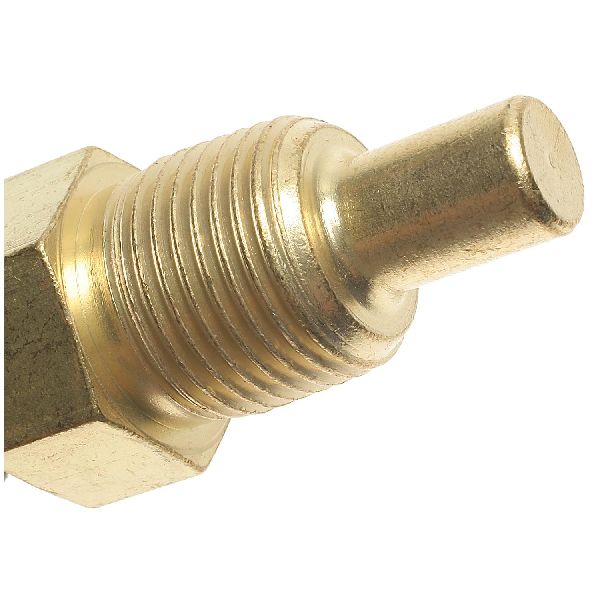
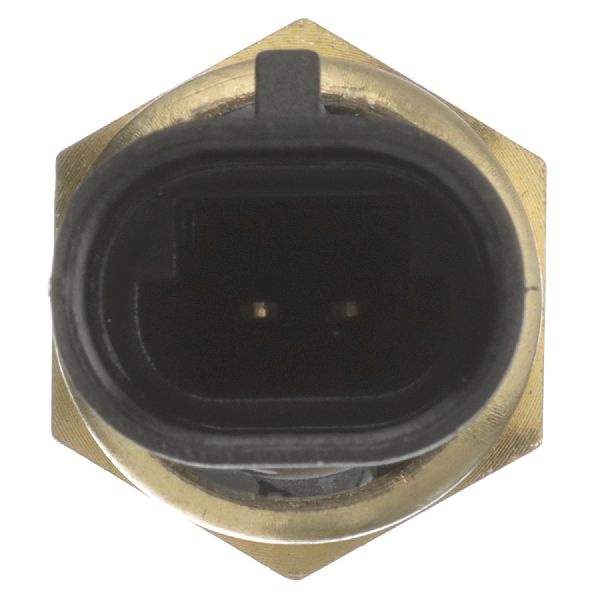
The location can vary slightly depending on your engine (e.g., 2.0L I4 or 2.8L V6), but the ECT sensor is almost always threaded into the thermostat housing or directly into the cylinder head or intake manifold near a coolant passage. Look for a small sensor with a two-wire electrical connector near the top of the engine.
What happens if I don't replace a bad ECT sensor?
You will continue to experience poor fuel economy, which costs you money on gas. You may also have trouble passing emissions tests. In a worst-case scenario, if the sensor fails to detect an overheating condition, you risk severe engine damage like a blown head gasket.
Is a more expensive aftermarket sensor better?
Not always. While brands like Delphi and NGK have a strong reputation, even a value-priced sensor will often function correctly and restore performance. For a car of this age, the most important thing is to replace the non-functioning part. The difference is often in longevity and the precision of the temperature reading, which can be slightly off on cheaper parts.
Technical Specifications
OEM Part Numbers: 15369305 25037062 12191170 15326388
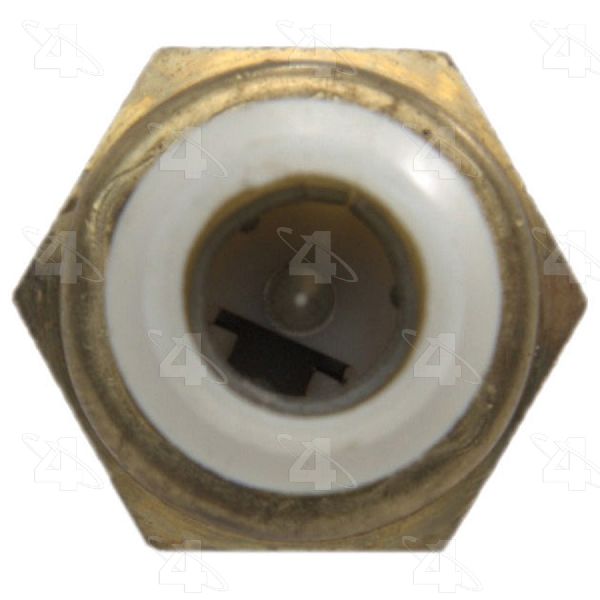
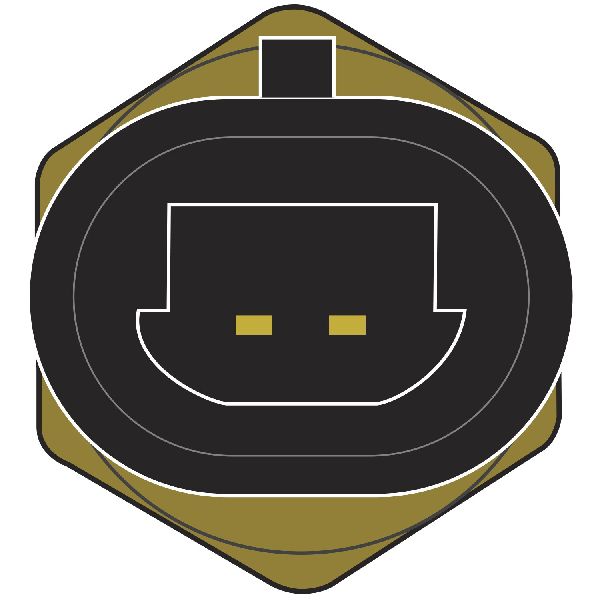
Typically features a 3/8 inch NPT thread and a 2-pin connector. It is a thermistor-type sensor that changes resistance based on temperature.
We Have This Part in Stock


The information in this article is provided for general reference and educational purposes only. Vehicle specifications, procedures, and part compatibility can vary by production date, trim level, and region. Always consult your vehicle's factory service manual and verify part numbers before purchasing or performing repairs. Safety-critical components such as airbags, seat belts, and braking systems should be installed by a qualified professional.
- Chevrolet Cavalier: