

Chevrolet Cavalier Horn Replacement Guide for 1982-1994 Models
If your Cavalier's horn has gone silent, this guide explains how to diagnose the problem and choose the right replacement part.
- Always check the fuse and horn relay before assuming the horn itself has failed.
- A weak or muffled sound is a clear indication that the horn assembly needs replacement.
- Aftermarket horns from brands like Standard Ignition (premium) and Replacement (value) are cost-effective solutions.
- Replacing the horn is a simple DIY job that requires basic tools and less than an hour.
Is Your Cavalier's Horn Failing?
A silent horn is more than an inconvenience; it's a safety issue that can fail a vehicle inspection. For the 1982-1994 Chevrolet Cavalier, horn failure usually points to a few common culprits. The horn itself can wear out, the fuse can blow, or the relay can fail. This guide will walk you through identifying the problem and selecting a quality aftermarket replacement horn.
First, Check the Easy Stuff
Before you buy a new horn, always check the fuse and the horn relay. A blown fuse is a common reason for a horn to stop working. The fuse panel location can be found in your owner's manual. If the fuse is good, the horn relay is the next component to check. These simple checks can save you time and money.
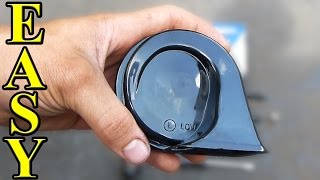
🎬 Watch: How to troubleshoot and fix a car hornSymptoms of a Failing Horn
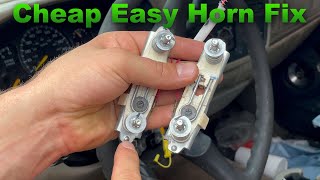
- No Sound: The most obvious symptom. When you press the horn button, nothing happens. This can be caused by a failed horn, blown fuse, bad relay, or a problem in the steering column wiring. 🎬 See this cheap and easy fix for Chevy horns
- Weak or Muffled Sound: If the horn sounds quiet, tired, or different than it used to, the internal components of the horn assembly are likely failing. This is a clear sign that the horn itself needs to be replaced.
- Intermittent Operation: The horn works sometimes but not others. This could be due to a loose electrical connection, a failing relay, or a horn that is on the verge of complete failure.
Choosing the Right Aftermarket Horn
For a vehicle like the first-generation Cavalier, finding a new original equipment (OEM) horn from the dealer is unlikely. Thankfully, the aftermarket offers excellent, affordable options that meet or exceed the original specifications.
Brand Options: Standard Ignition vs. Replacement
Standard Ignition: This is a well-respected brand in the automotive world, known for producing high-quality, reliable parts that are often equivalent to original equipment. Choosing a Standard Ignition horn means you are getting a durable part with a proper fit and a long service life. It's a premium choice for an owner who wants peace of mind.
Replacement: This brand offers a budget-friendly solution. Replacement-branded parts are designed to provide the basic fit and function of the original part at a lower price point. For an older vehicle, a Replacement horn is a cost-effective way to restore this important safety feature without overspending.
Typical Replacement Costs
The cost to replace the horn on a 1982-1994 Cavalier is very reasonable, especially if you do the work yourself. Below are typical cost ranges.
| Item | Estimated Cost |
|---|---|
| New Aftermarket Horn | $36 - $58 |
| New OEM Horn | $100+ (If available) |
| Used OEM Horn (Salvage Yard) | $10 - $30 |
| Shop Labor | $60 - $120 |
A Note on Recalls and Service Bulletins
There are no major recalls or Technical Service Bulletins (TSBs) from the National Highway Traffic Safety Administration (NHTSA) specifically for horn failure on the 1982-1994 Chevrolet Cavalier. Any issues are typically due to normal wear and tear on this 30+ year old vehicle.
Frequently Asked Questions (FAQ)
Why did my Cavalier's horn stop working?
The most common causes are a blown fuse, a bad horn relay, or a failed horn assembly. Less common causes include a broken wire or a faulty horn button in the steering wheel.
Where is the horn located on my 1982-1994 Cavalier?
The horn is typically located in the front of the engine compartment, often behind the grille or attached to the radiator support. On some models, you may need to remove a plastic fender liner to gain access.
Is replacing the horn a difficult job?
No, this is considered an easy repair. It usually involves unplugging an electrical connector and removing one or two bolts. Basic hand tools are all that's required, making it a great DIY project for beginners.
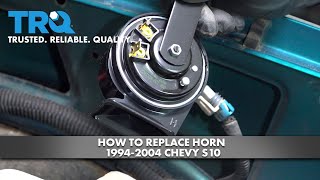
🎬 Watch this walkthrough on replacing a Chevy hornDo I need to buy a specific high or low-note horn?
Many vehicles, including some Cavaliers, use two horns—one with a high tone and one with a low tone—to create a fuller sound. While you can replace just the one that failed, replacing them in pairs is often recommended. If your car only has one horn, either a high or low note replacement will work.
Helpful Videos
Technical Specifications
Voltage: 12V, Tone: High or Low Note, Connector: Ensure it matches the factory harness.
We Have This Part in Stock


The information in this article is provided for general reference and educational purposes only. Vehicle specifications, procedures, and part compatibility can vary by production date, trim level, and region. Always consult your vehicle's factory service manual and verify part numbers before purchasing or performing repairs. Safety-critical components such as airbags, seat belts, and braking systems should be installed by a qualified professional.
- Chevrolet Cavalier:
- 🎬 Helpful Videos
- 🛍️ Shop This Part
- Is Your Cavalier's Horn Failing?
- First, Check the Easy Stuff
- Symptoms of a Failing Horn
- Choosing the Right Aftermarket Horn
- Brand Options: Standard Ignition vs. Replacement
- Typical Replacement Costs
- A Note on Recalls and Service Bulletins
- Frequently Asked Questions (FAQ)
- 🎟️ Get 5% Off