

Ford LTD Fuel Injection Pressure Regulator Guide (1983-1986)
Everything you need to know about choosing the right fuel pressure regulator for your 1983-1986 Ford LTD.
- A failed regulator often causes black smoke, poor MPG, and hard starting.
- Check the vacuum line for a fuel smell or liquid; this is a sure sign of failure and a fire risk.
- For this vehicle, aftermarket brands like Delphi and Standard Motor Products are reliable, high-quality choices.
- Replacement is DIY-friendly and involves relieving fuel pressure and accessing the regulator on the throttle body.
Understanding Your LTD's Fuel System
The 1983-1986 Ford LTD with the 5.0L V8 engine used an early form of fuel injection known as Central Fuel Injection (CFI), which is a type of throttle body injection (TBI). This system uses one or two injectors mounted in a throttle body, which looks similar to a carburetor. The fuel pressure regulator is a key part of this system, ensuring the injectors receive fuel at a constant, specified pressure. A bad regulator can cause a wide range of engine problems, from poor performance to a no-start condition.
Symptoms of a Failing Fuel Pressure Regulator
When your LTD's fuel pressure regulator starts to fail, the signs can sometimes be mistaken for other issues like a bad fuel pump or clogged filter. Here are the most common symptoms to watch for:
- Black Smoke from Exhaust: This is a classic sign of a rich-running engine, where there's too much fuel and not enough air. A ruptured regulator diaphragm can leak raw fuel into the vacuum line, dumping it directly into the engine.
- Poor Fuel Economy: If you're filling up your tank more often than usual, a faulty regulator could be wasting fuel by sending too much to the engine.
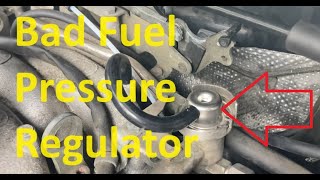
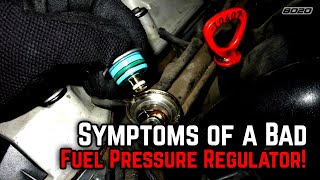
- Engine Performance Issues: You might experience hard starting, a rough idle, engine hesitation, misfires, or stalling. This happens when fuel pressure is either too high or too low, throwing off the air/fuel mixture. 🎬 See a detailed breakdown of bad fuel pressure regulator symptoms.
- Fuel Smell: A strong smell of gasoline, especially around the engine, could mean the regulator is leaking. Check the vacuum hose connected to the regulator; if you see or smell gas, the diaphragm has failed. 🎬 Learn how to test if your fuel pressure regulator has failed. This is a serious fire hazard.
Fire Hazard Warning
If you smell raw fuel or find fuel in the regulator's vacuum line, do not drive the vehicle. A fuel leak in the engine bay creates a significant risk of fire. The vehicle should be inspected and repaired immediately.
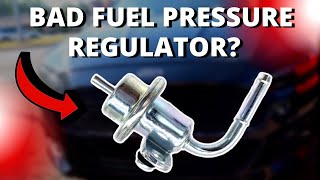
🎬 Watch this guide on fuel pressure regulator warning signs.Choosing the Right Aftermarket Regulator
For a vehicle of this age, new Original Equipment (OE) Ford parts are generally unavailable. Aftermarket parts are the most practical and available solution. The brands available offer a good range of quality and price.
| Brand Tier | Brand(s) | Quality & Performance Assessment |
|---|---|---|
| Premium Aftermarket | Delphi | Delphi is a well-respected brand with a history of being an Original Equipment (OE) supplier. Their regulators are known for quality materials, such as Nitrile diaphragms that resist modern ethanol-blended fuels. Choosing Delphi is often the closest you can get to original quality and is recommended for reliability. |
| Standard Replacement | Standard Motor Products (SMP) | Standard Ignition (a brand of SMP) is a trusted name in the aftermarket, known for producing reliable replacement parts that meet or exceed OE specifications. They offer a durable, quality part that is a solid choice for daily drivers and a popular option for repairs. |
| Value Option | True Tech | True Tech and other similar value-focused brands provide a functional replacement at a lower cost. While they meet the basic requirements to get the car running, they may not have the same long-term durability or stringent quality control as premium brands. This is a budget-friendly choice for less critical applications or temporary repairs. |
Frequently Asked Questions (FAQ)
Where is the fuel pressure regulator located on a 1983-1986 Ford LTD?
For the 5.0L V8 with Central Fuel Injection (CFI), the fuel pressure regulator is typically mounted directly on the throttle body assembly. This makes it relatively accessible after removing the air cleaner housing.
Can I replace the fuel pressure regulator myself?
Yes, this is a DIY-feasible job for someone with basic mechanic skills. The key steps involve safely relieving the fuel system pressure, disconnecting the battery, and then removing the old regulator. Since it's located on the throttle body, access is generally straightforward. Always use new O-rings and lubricate them with clean engine oil before installation.
Are there any recalls for the fuel system on this Ford LTD?
Searches did not find any specific recalls from Ford or NHTSA for the fuel pressure regulator itself on the 1983-1986 Ford LTD. There was a recall for aftermarket fuel pumps made by Federal-Mogul sold between 2006-2007 that affected this model year, but it was not for the regulator.
Should I buy an OEM or Aftermarket regulator?
For a vehicle from the mid-1980s, finding a new OEM (Ford) part is highly unlikely. The original part numbers are often superseded or discontinued. Aftermarket brands like Delphi and Standard Motor Products are the go-to, reliable choice, offering quality that is often equivalent to the original part.
Helpful Videos
Technical Specifications
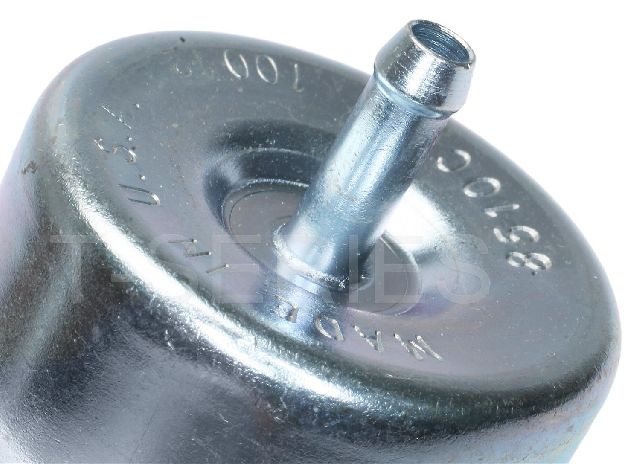
OEM Part Numbers: E3VY-9C968-A E5AZ-9C968-A E6AZ-9C968-A E7FZ-9C968-A E8DZ-9C968-A F4CZ-9C968-A
The fuel injection system on the 1983-1986 LTD 5.0L is a Central Fuel Injection (CFI) / Throttle Body Injection (TBI) type. The regulator is typically not adjustable and maintains a factory-set pressure, often between 39 and 45 PSI.
We Have This Part in Stock


The information in this article is provided for general reference and educational purposes only. Vehicle specifications, procedures, and part compatibility can vary by production date, trim level, and region. Always consult your vehicle's factory service manual and verify part numbers before purchasing or performing repairs. Safety-critical components such as airbags, seat belts, and braking systems should be installed by a qualified professional.
- Ford LTD: