

Chevrolet G10 Ported Vacuum Switch Guide (1983-1987)
Understanding the role of the ported vacuum switch in your G10's engine and how to replace it.
- A faulty ported vacuum switch can cause rough idle, poor performance, and failed emissions tests.
- Symptoms often mimic a general vacuum leak, so inspect all related hoses for cracks first.
- When buying a replacement, match the number of ports and color of your original switch.
- Standard Motor Products (SMP) is a common and reliable aftermarket brand for this part.
Understanding the Ported Vacuum Switch on Your G10
The ported vacuum switch (PVS) on your 1983-1987 Chevrolet G10 is a critical component for managing engine performance and emissions. This heat-sensitive switch directs vacuum to different parts of your engine based on coolant temperature. It often controls the EGR (Exhaust Gas Recirculation) valve and the distributor's vacuum advance. When the engine is cold, it prevents vacuum from reaching the EGR valve, which could cause a rough idle or stalling. Once the engine is warm, the switch opens to allow vacuum to activate these systems, which helps reduce emissions and improve fuel efficiency. Because of their age and location, these switches can become brittle and break, or simply stop working.
Symptoms of a Failing Ported Vacuum Switch
A bad ported vacuum switch can cause a few noticeable problems. Since the switch controls vacuum, a failure can create a vacuum leak or prevent vacuum-operated systems from working correctly.
- Rough or Unstable Idle: If the switch fails and allows vacuum to the EGR valve when the engine is cold, it can lead to a rough idle or even stalling.
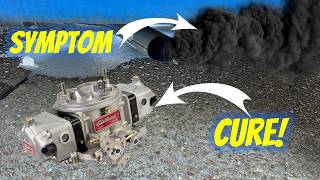
- Poor Engine Performance: Incorrect vacuum advance timing due to a faulty switch can cause hesitation, poor acceleration, and reduced power. 🎬 Learn how to diagnose engine issues using specific carburetor symptoms.
- Hissing Noises: A cracked or broken switch can create a vacuum leak, which you might hear as a hissing sound from the engine bay.
- Failed Emissions Test: Since the PVS controls emissions components like the EGR valve, a malfunction can cause your van to fail an emissions inspection.
Check for Vacuum Leaks First
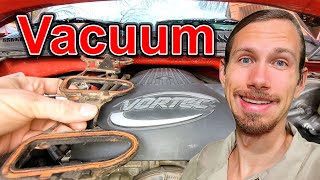
Many symptoms of a bad PVS are similar to a general vacuum leak from old hoses or gaskets. Before replacing the switch, it's wise to inspect all vacuum lines connected to it for cracks or loose fittings. A simple visual inspection or spraying carburetor cleaner near suspected areas (on a cold engine) 🎬 Watch this guide to finding common Chevy engine vacuum leaks. can help you find leaks.
Choosing a New Aftermarket Ported Vacuum Switch
For a vehicle from this era, new OEM parts are often unavailable. The aftermarket is your primary source for a new ported vacuum switch. Standard Motor Products (SMP) is a widely available brand that manufactures these switches. Their parts are generally built to meet original specifications, using materials like brass and high-temperature plastic. While some users have noted varying quality with certain product lines from aftermarket brands, Standard's regular line is generally considered a reliable choice for these older applications.
Pro Tip: Ported vacuum switches are often identified by the number of ports and their color. When ordering a new part, be sure to match the number of vacuum hose connectors (e.g., 2-port, 4-port) and, if possible, the color of your original switch to ensure you get the correct one for your G10's specific engine and emissions setup.
Cost of a New Ported Vacuum Switch for 1983-1987 G10
| Part Type | Estimated Cost |
|---|---|
| New Aftermarket (e.g., Standard Ignition) | $45.84 - $80.05 |
| Shop Labor for Installation | $50 - $100 |
Frequently Asked Questions (FAQ)
Where is the ported vacuum switch located on my G10?
The ported vacuum switch is typically threaded into a coolant passage to read the engine's temperature. Most commonly, you will find it in the thermostat housing or on the intake manifold.
Can I replace the ported vacuum switch myself?
Yes, this is a relatively simple job for a DIY mechanic. It usually involves unscrewing the old switch, applying thread sealant to the new one, and screwing it in. You will need to carefully label and transfer the vacuum hoses. Be prepared for some coolant to leak out when you remove the old switch. The job can often be done in under an hour.
What happens if I just bypass the ported vacuum switch?
Bypassing the switch is not recommended. Doing so can lead to improper operation of your EGR and distributor advance systems, resulting in poor performance, rough idling when cold, and increased emissions that could cause you to fail an inspection.
Are there any recalls for the G10's ported vacuum switch?
No specific recalls or technical service bulletins (TSBs) were found for the ported vacuum switch on the 1983-1987 Chevrolet G10 during our search of the NHTSA database and other resources.
Helpful Videos
Technical Specifications
Typically features 2 or 4 hose connectors for 3/16" vacuum hoses and a 1/2"-14 NPT thread size. Made of brass and high-temperature plastic. Operation is based on engine coolant temperature.
We Have This Part in Stock


The information in this article is provided for general reference and educational purposes only. Vehicle specifications, procedures, and part compatibility can vary by production date, trim level, and region. Always consult your vehicle's factory service manual and verify part numbers before purchasing or performing repairs. Safety-critical components such as airbags, seat belts, and braking systems should be installed by a qualified professional.
- Chevrolet G10:
- 🎬 Helpful Videos
- 🛍️ Shop This Part
- Understanding the Ported Vacuum Switch on Your G10
- Symptoms of a Failing Ported Vacuum Switch
- Check for Vacuum Leaks First
- Choosing a New Aftermarket Ported Vacuum Switch
- Cost of a New Ported Vacuum Switch for 1983-1987 G10
- Frequently Asked Questions (FAQ)
- 🎟️ Get 5% Off