

Ford Ranger (1983-1987) Engine Oil Pressure Switch: A Complete Guide
Understand the common issues and learn how to choose the right replacement oil pressure switch for your first-generation Ford Ranger.
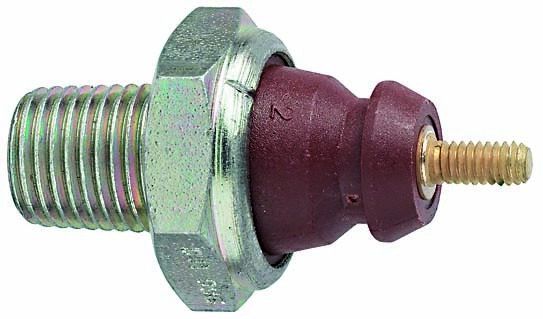
- The part on your 1983-87 Ranger is a switch, not a variable sender; it provides a simple on/off signal to the gauge.
- A gauge that drops to zero or a flickering light are the most common symptoms of a bad switch, but always check your oil level to rule out a real pressure problem.
- Replacement is a simple, low-cost DIY job that can be done in under 30 minutes with basic tools.
- Quality aftermarket brands like Standard Ignition, Hella, Facet, and Rostra are reliable and cost-effective choices for this part.
Is it a Switch or a Sender?
For 1983-1987 Ford Rangers, the part connected to your dashboard oil gauge is technically a switch, not a sender. A switch is a simple on/off device. It tells the gauge to read in the 'normal' range as long as oil pressure is above a very low threshold (around 6 psi). A true 'sender' would provide a variable signal, causing the needle to move and show the actual pressure changes. Ford used this switch system to prevent owner complaints about fluctuating gauge readings. So, if your gauge needle suddenly drops to zero, it means the switch has detected critically low pressure or has failed.
Symptoms of a Failing Oil Pressure Switch
A bad oil pressure switch can create confusion and concern. Because it can mimic the signs of a serious engine problem, it's important to recognize the specific symptoms of a faulty switch.
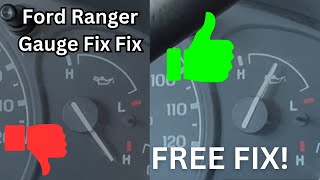
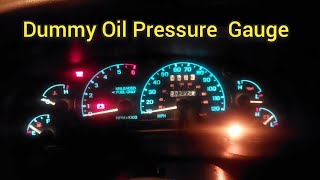
- Oil pressure gauge reads zero or is erratic: The most common sign is the gauge on your dash suddenly dropping to zero or flickering between normal and zero, even though 🎬 Watch this video to see a jumping gauge fix in action. the engine sounds fine.
- Oil warning light is on or flickering: If your truck has a warning light instead of a gauge, a bad switch can cause it to illuminate or flash intermittently.
- Visible oil leak from the switch: The switch itself can develop leaks over time. You might see oil residue on or around the sensor body where it screws into the engine.
Important Warning
Never ignore a low oil pressure warning. While it could be a faulty switch, it could also indicate a true lack of oil pressure, which can destroy your engine in minutes. If the warning appears, and you hear any new engine noises like ticking, knocking, or grinding, shut off the engine immediately and check your oil level.
Choosing the Right Aftermarket Switch
For a simple part like an oil pressure switch on an older truck, aftermarket brands offer excellent value without sacrificing reliability. Original Equipment (OEM) parts for a vehicle of this age can be difficult to find and expensive. The available aftermarket brands are well-established and produce quality components.
Here’s a breakdown of the available brands:
- Standard Ignition (SMP): Often considered a top-tier aftermarket brand, Standard produces many parts in IATF 16949 certified facilities and is known for quality engineering and testing. They are a reliable choice that often meets or exceeds original specifications.
- Hella: A well-respected German brand, Hella is a major OEM supplier for many car manufacturers and is known for high-quality electronics and components. While sometimes priced higher, their reputation for durability is strong.
- Facet: An Italian brand with decades of experience, Facet is known for precision engineering and produces quality switches and sensors that are often considered OE-equivalent.
- Rostra Powertrain: Rostra is a US-based manufacturer known for producing OE and replacement electronic parts, including sensors and switches, in ISO-9001 and IATF-16949 certified facilities. They are recognized for providing quality parts at competitive prices.
Pro Tip: Check the Connector
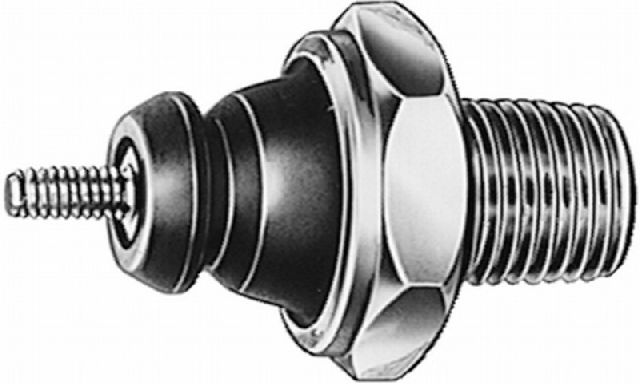
Before ordering, visually inspect the electrical connector on your old switch. These first-generation Rangers used a simple, single-wire connector for the oil pressure switch. Matching the connector style is the easiest way to ensure you're buying the correct part.
Cost of Replacement
Replacing the oil pressure switch is one of the more affordable repairs you can perform on your Ranger.
| Item | Estimated Cost |
|---|---|
| New Aftermarket Switch | $7.35 - $35.36 |
| Estimated Shop Labor | $50 - $100 |
| Total Estimated Cost (DIY) | $7.35 - $35.36 |
| Total Estimated Cost (Shop) | $57 - $136 |
Frequently Asked Questions
Where is the oil pressure switch located on a 1983-1987 Ford Ranger?
The location varies slightly by engine. For the 2.3L L4 engine, it is typically on the driver's side of the engine block, near the oil filter. For the 2.9L V6 engine, it is usually found on the lower-left side of the engine block. Always look for a small, single-wire sensor screwed into the engine block.
Can I replace the oil pressure switch myself?
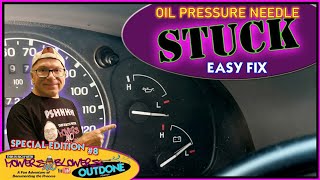
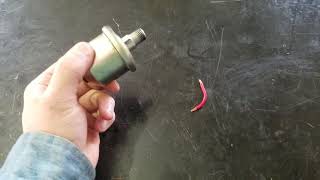
Yes, this is a very DIY-friendly job. It typically requires basic hand tools, such as a deep socket and ratchet. The switch is usually accessible from underneath or the side of the engine bay. The process involves unplugging the wire, unscrewing the old switch, screwing in the new one, and reconnecting the wire. The entire job 🎬 Watch a quick guide on fixing a stuck oil pressure needle. can usually be done in under 30 minutes.
Do I need to drain the engine oil to replace the switch?
No, you do not need to drain the oil. The switch is located above the oil level in the pan. A small amount of oil may drip out when you remove the old switch, so it's a good idea to have a rag or paper towel ready, but you will not lose a significant amount.
Are there any recalls for the oil pressure switch on this Ranger?
No, a search of the National Highway Traffic Safety Administration (NHTSA) database shows no recalls specifically for the engine oil pressure switch on 1983-1987 Ford Rangers. There were other recalls for this vehicle, including for fuel lines and suspension, but none that pertain to this specific part.
Can I upgrade my 'switch' to a real 'sender' for an accurate gauge?
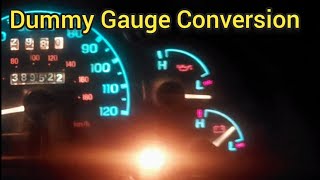
Yes, this is a popular modification for Ford truck owners. It involves replacing the stock switch with a variable resistance sender (like the Standard Motor Products PS60) and bypassing a resistor on the back of the instrument cluster gauge. This allows the gauge to show actual oil pressure fluctuations. However, 🎬 See a full DIY walkthrough on converting to a real sender. for those seeking a simple, direct replacement, sticking with the factory-style switch is the easiest solution.
Helpful Videos
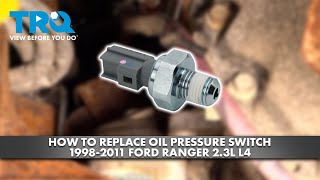
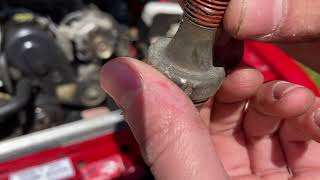
Technical Specifications
Typically a single-terminal switch that grounds through the engine block. Activates the gauge or light when oil pressure is above approximately 6 PSI.
We Have This Part in Stock


The information in this article is provided for general reference and educational purposes only. Vehicle specifications, procedures, and part compatibility can vary by production date, trim level, and region. Always consult your vehicle's factory service manual and verify part numbers before purchasing or performing repairs. Safety-critical components such as airbags, seat belts, and braking systems should be installed by a qualified professional.
- Ford Ranger: