

Ford Ranger Vehicle Speed Sensor (VSS) Guide: 1983-1989
Fix your Ranger's jumping speedometer and erratic shifting by understanding and choosing the right vehicle speed sensor.
- A bad VSS is a primary cause of speedometer, cruise control, and automatic shifting issues on 1983-1989 Rangers.
- Replacement is simple, requiring you to swap the plastic drive gear from the old sensor to the new one.
- The sensor is located on the rear of the transmission or transfer case and is held by a single bolt.
- Before replacing, always check the wiring and connector for corrosion or damage, as this can cause similar symptoms.
Is Your Ranger's Speedometer Acting Up?
A faulty Vehicle Speed Sensor (VSS) is a common problem on first-generation Ford Rangers. When this sensor starts to fail, it can cause more than just an annoyance; it can affect how your truck drives, especially if you have an automatic transmission. Because this part sends speed data to multiple systems, a bad sensor can create a domino effect of issues. Understanding the symptoms is the first step to getting your truck back in order.
Symptoms of a Failing VSS on a 1983-1989 Ranger
If your VSS is going bad, you'll likely notice one or more of these signs:
- Erratic or Dead Speedometer: This is the most obvious symptom. The speedometer needle may bounce around randomly, show a speed that is clearly wrong, or not move at all.
- Cruise Control Failure: Your cruise control may refuse to turn on or may shut off by itself while you're driving.
- Harsh or Incorrect Shifting (Automatic Transmissions): The transmission might shift hard, delay its shifts, or fail to shift into overdrive. This is because the transmission computer is getting bad information from the sensor.
- Check Engine Light: In some cases, a failing VSS can trigger the check engine light, though this is more common on slightly newer models.
Don't Forget the Gear!
The VSS is driven by a small plastic gear that sits on its tip. This gear is not included with most new sensors. You must carefully remove the retaining clip and transfer the gear from your old sensor to the new one. If this gear is stripped or damaged, it must be replaced as well for the new sensor to work.
Choosing the Right Aftermarket VSS
You have a few options when buying a new VSS. While a dealer part is always an option, several aftermarket brands offer a good balance of quality and price.
- OEM (Motorcraft): Motorcraft is Ford's official parts brand. Choosing Motorcraft guarantees a perfect fit and original-equipment quality, but it is usually the most expensive option.
- Premium Aftermarket (Standard Ignition): Brands like Standard Motor Products (Standard Ignition) are known for making high-quality replacement parts that meet or exceed OEM specifications. They are a reliable choice for owners who want quality without the dealer price tag.
- Value Aftermarket (Dorman): Dorman offers a wide range of replacement parts at a more affordable price. While some complex Dorman parts have mixed reviews, their sensors are generally considered a fair alternative for the price and a decent option for a daily driver or budget-conscious repair.
- Economy Aftermarket (True Tech): These brands represent the most budget-friendly tier. They can be a good choice if cost is the primary concern, but longevity and fit may not match the higher-priced brands.
Typical Replacement Costs
| Part Type | Estimated Cost |
|---|---|
| New OEM (Motorcraft) | $100 - $280 |
| New Aftermarket | $32.25 - $270.11 |
| Shop Labor | $100 - $180 |
Cost estimates are approximate and can vary by location and supplier.
Check the Wiring First
Before replacing the sensor, take a moment to inspect the wiring harness and connector. Over decades, wires can become brittle, and connectors can get corroded or filled with dirt. A bad connection can mimic the symptoms of a failed sensor. Cleaning the connector and checking for damaged wires can sometimes solve the problem without needing a new part.
Frequently Asked Questions
Where is the VSS located on my 1983-1989 Ranger?
The VSS is located on the driver's side of the vehicle, at the rear of the transmission (on 2WD models) or the rear of the transfer case (on 4WD models). It's where the speedometer cable attaches and is held in place by a single bolt.
Is this a difficult part to replace myself?
No, this is a great DIY job for beginners. It typically requires only basic hand tools to remove one bolt and the electrical connector. The main challenge is working underneath the truck. The entire job can usually be done in under an hour.
Will any fluid leak out when I remove the sensor?
Yes, it is possible for some transmission or transfer case fluid to leak out when you pull the sensor. It's a good idea to have your new sensor ready to install quickly and a rag handy to clean up any drips.
Are there any recalls for the VSS on my Ranger?
Searches of the NHTSA database and other sources did not find any specific recalls or Technical Service Bulletins (TSBs) for the vehicle speed sensor on 1983-1989 Ford Ranger models. Recalls found were for much newer model years with different issues.
Technical Specifications
OEM Part Numbers: E9TZ-9E731-A E3AZ-9E731-A E6DZ-9E731-C
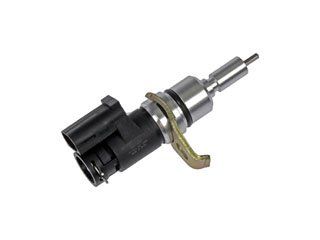
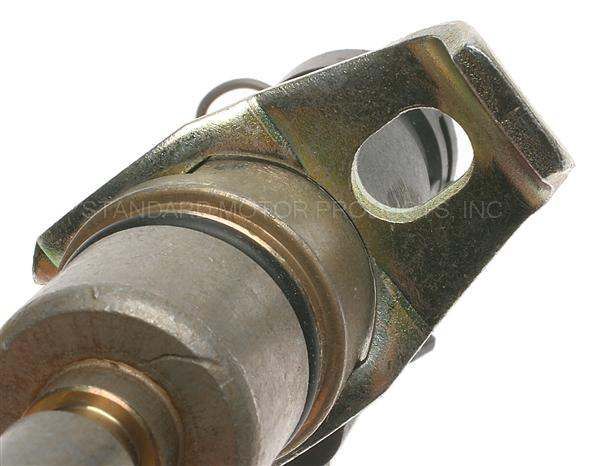
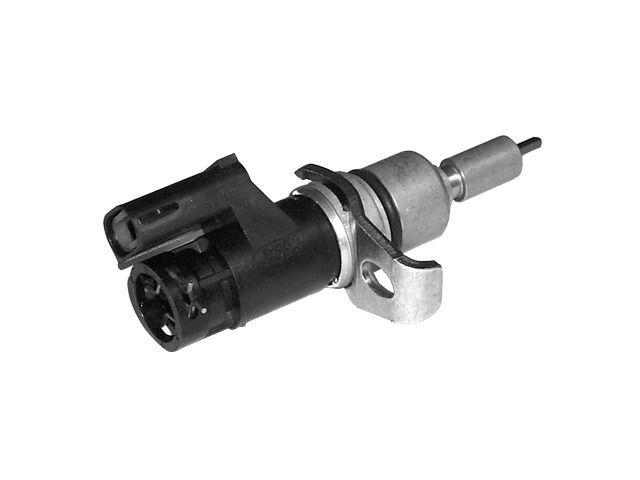
Cable-driven electronic sensor with a 2-pin electrical connector. Mounts to the transmission tail-shaft or transfer case output.
We Have This Part in Stock


The information in this article is provided for general reference and educational purposes only. Vehicle specifications, procedures, and part compatibility can vary by production date, trim level, and region. Always consult your vehicle's factory service manual and verify part numbers before purchasing or performing repairs. Safety-critical components such as airbags, seat belts, and braking systems should be installed by a qualified professional.
- Ford Ranger: