

Isuzu Impulse Suspension Stabilizer Link Guide (1983-1989)
Fix the clunking noises and tighten the handling on your classic Impulse.
- A clunking noise over bumps is the most common sign of a failed stabilizer link on your Impulse.
- Aftermarket parts are the only option; choose between premium brands like Delphi/Moog for longevity or economy brands like Dorman/Mevotech for budget repairs.
- Always replace links in pairs to ensure balanced and predictable handling.
- This is a simple, DIY-friendly repair that can be done in 1-2 hours with basic tools.
Is Your Impulse Making Noise Over Bumps?
If you're hearing a clunking or rattling sound from the front of your 1983-1989 Isuzu Impulse, especially when driving over bumps or uneven roads, there's a good chance the stabilizer bar links have failed. These parts are a common wear item on any vehicle, and due to the age of the Impulse, they are a frequent cause of suspension noise.
Symptoms of a Bad Stabilizer Link
- Clunking or Rattling Sounds: The most common sign is noise from the front suspension when going over bumps.
- Excessive Body Roll: You may notice the car leans more than usual during turns, feeling less stable.
- Loose Steering Feel: The handling may feel less precise or responsive, particularly in corners.
Known Issues & Recalls
Searches for official recalls and Technical Service Bulletins (TSBs) from the National Highway Traffic Safety Administration (NHTSA) did not find any specific issues related to the stabilizer bar links for the 1983-1989 Isuzu Impulse. Any problems you experience are likely due to normal wear and tear over the vehicle's long life.
Choosing the Right Aftermarket Link Kit
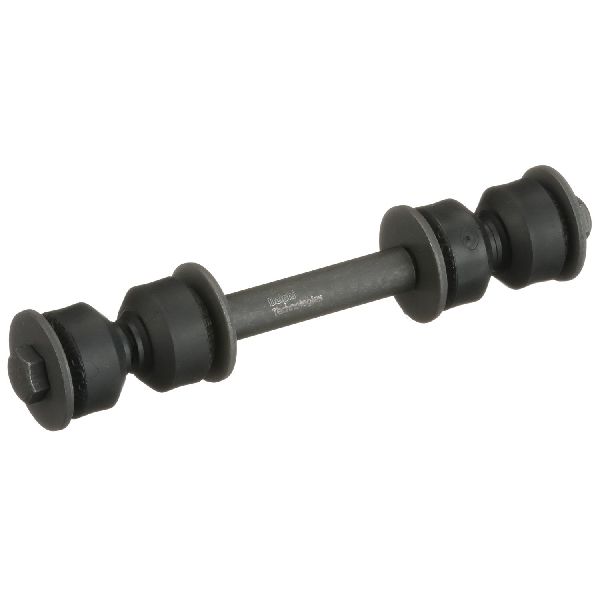
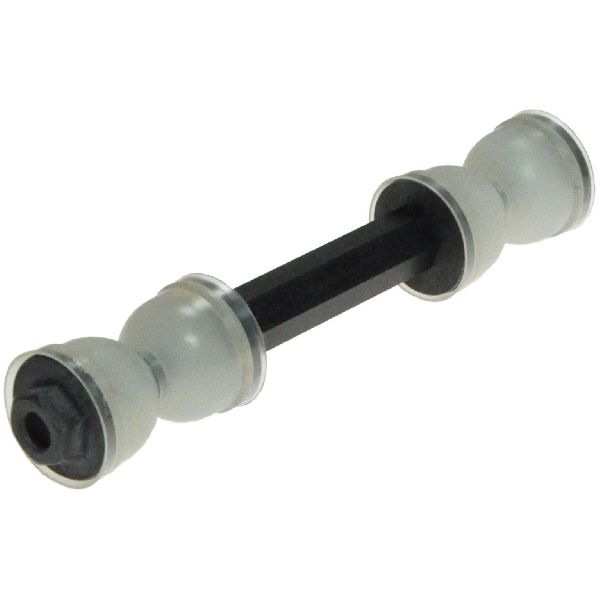
Original Equipment (OEM) parts for a vehicle of this era are typically discontinued and no longer available new. The aftermarket is the primary source for these components. Fortunately, the stabilizer link design for the Impulse is straightforward, and several reputable brands produce replacements. Your choice will come down to budget and desired durability.
Brand Quality Tiers
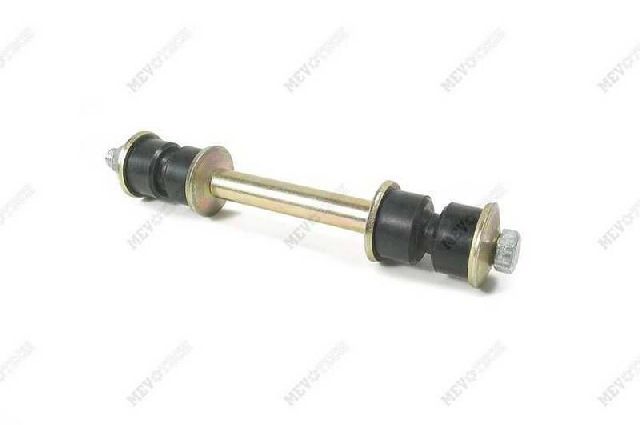
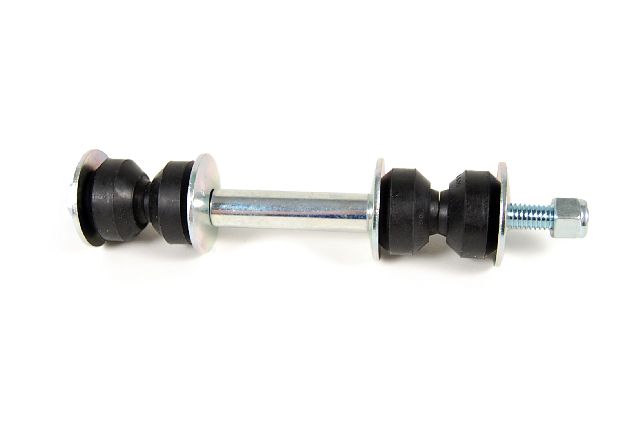
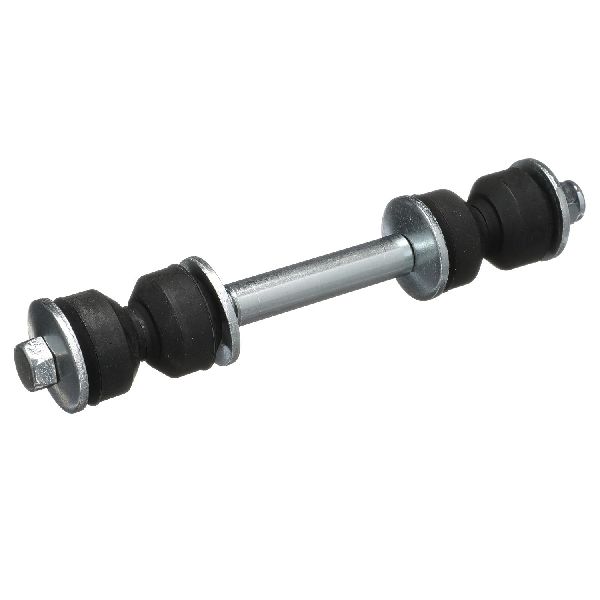
- Premium Brands (Moog, Delphi): These brands are generally known for high-quality materials and engineering that often meets or exceeds original standards. Delphi is consistently regarded as a dependable choice for OE-level quality. Moog has a reputation as a 'problem solver' brand, though some users report quality has become more variable recently. For a car with performance heritage like the Impulse, a premium brand is a good investment in handling.
- Standard/Economy Brands (Dorman, Mevotech): These brands offer a balance of affordability and function, making them a cost-effective choice for daily driving. Dorman provides a wide range of parts that get the job done, with their 'Premium XL' line offering better durability. Mevotech is also a popular mid-range option, with their 'Supreme' line being a step up from their base-level parts.
Pro Tip: Always replace stabilizer links in pairs (both left and right sides). This ensures balanced handling and prevents the new link from being stressed by an old, worn-out link on the other side.
Cost to Replace Isuzu Impulse Stabilizer Links
| Part/Service | Estimated Cost |
|---|---|
| Aftermarket Stabilizer Link Kit (Single) | $5 - $34 |
| Shop Labor (Pair) | $100 - $200 |
| Total DIY Cost (Pair) | $10 - $68 |
| Total Professional Replacement (Pair) | $110 - $268 |
Costs are estimates and may vary based on your location, the specific product, and your mechanic's rates.
Frequently Asked Questions
How difficult is it to replace the stabilizer links myself?
This is a great DIY job for a beginner. It typically requires basic hand tools, a jack, and jack stands for safety. The biggest challenge is usually dealing with rusted nuts and bolts. Soaking them in penetrating oil beforehand will make the job much easier. The entire process for both sides should take 1-2 hours.
What does 'Handling by Lotus' mean for my suspension?
Starting in 1988, Isuzu worked with Lotus to retune the Impulse's suspension for better performance. This involved changes to components like springs, shocks, and sway bar sizes. While the stabilizer links are a standard design, using high-quality replacements helps maintain the precision handling that the Lotus-tuned suspension was designed to deliver.
Should I use polyurethane or rubber bushings?
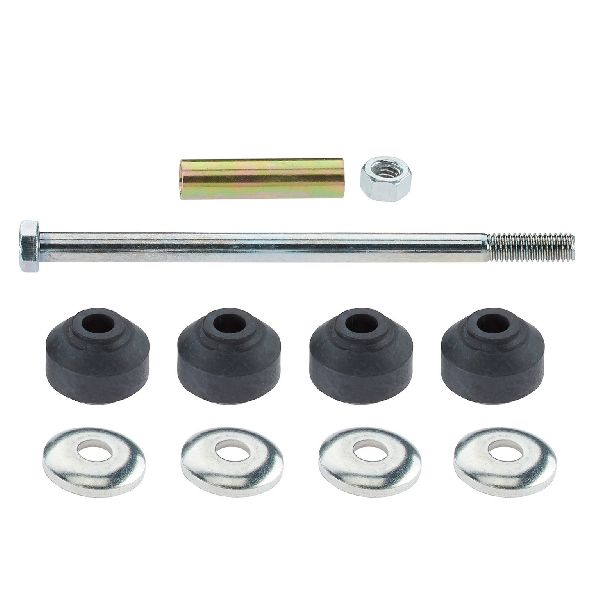
Most aftermarket kits will come with rubber bushings, similar to the original parts. They provide a quiet, comfortable ride. Some performance-oriented kits may offer polyurethane bushings, which are stiffer. Polyurethane can increase handling response and durability but may also lead to a slightly firmer ride and more noise. For most owners, standard rubber bushings are the best choice.
Can I just replace the broken link?
You should always replace stabilizer links in pairs. If one has failed due to age and wear, the other is likely not far behind. Replacing only one can create a handling imbalance, as the new, stiff link will behave differently than the old, worn one on the opposite side.
Technical Specifications
The 1988-1989 'Handling by Lotus' models used a 23mm front sway bar, while Irmscher models used a 25mm front sway bar. The stabilizer link connects this bar to the lower control arm.
We Have This Part in Stock

The information in this article is provided for general reference and educational purposes only. Vehicle specifications, procedures, and part compatibility can vary by production date, trim level, and region. Always consult your vehicle's factory service manual and verify part numbers before purchasing or performing repairs. Safety-critical components such as airbags, seat belts, and braking systems should be installed by a qualified professional.
- Isuzu Impulse: