

Mitsubishi Starion Spark Plug Guide: 1983-1989 Aftermarket Options
Keep your Starion's G54B turbo engine firing on all cylinders with the right set of new spark plugs.
- NGK and Denso are the most recommended spark plug brands for the Mitsubishi Starion's G54B engine.
- For modified engines with increased boost, a colder heat range plug (e.g., NGK BPR7ES) is often recommended.
- Always check and adjust the spark plug gap before installation; a common range is 0.028"-0.044" depending on boost levels.
- Replacing spark plugs is a simple, low-cost maintenance task that you can do yourself in under an hour.
Signs of Failing Spark Plugs in a Starion
When your spark plugs are wearing out, your car will let you know. The turbocharged engine is sensitive to spark quality. Look for these common symptoms:
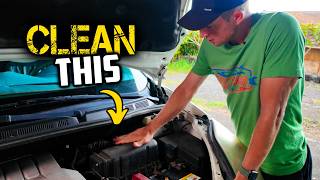
- Rough Idling: The engine may shake or vibrate more than usual when you're stopped. This happens because 🎬 Watch this guide to diagnose and fix a rough surging idle. a dirty or damaged plug can't provide a consistent spark.
- Engine Misfires: You might feel a stutter or hesitation from the engine, especially during acceleration. A misfire means a cylinder isn't firing correctly, leading to a loss of power.
- Poor Acceleration: If your Starion feels sluggish or slow to respond when you press the gas, worn plugs could be the cause.
- Reduced Fuel Economy: Worn plugs lead to inefficient combustion, meaning your engine uses more fuel to do the same amount of work.
- Difficulty Starting: Old, dirty plugs can have trouble creating a strong enough spark to start the engine, particularly in cold weather. This can put extra strain on your starter and battery.
Check Engine Light
While most 1983-1989 Starions are pre-OBDII, some later models may have basic diagnostic systems. A persistent misfire can sometimes trigger a check engine light. The most common codes related to misfires are in the P0300-P0304 range, where the last digit indicates the specific cylinder that is misfiring.
Choosing the Right Aftermarket Spark Plugs
For a classic Japanese performance car like the Starion, the brand of spark plug you choose matters. While OEM plugs are a safe bet, quality aftermarket brands often provide equal or better performance. Based on owner experiences and general consensus, here is a breakdown of available brands.
Tier 1: Highly Recommended
These brands are consistently praised by Mitsubishi owners and are known for their quality and reliability in turbocharged applications.
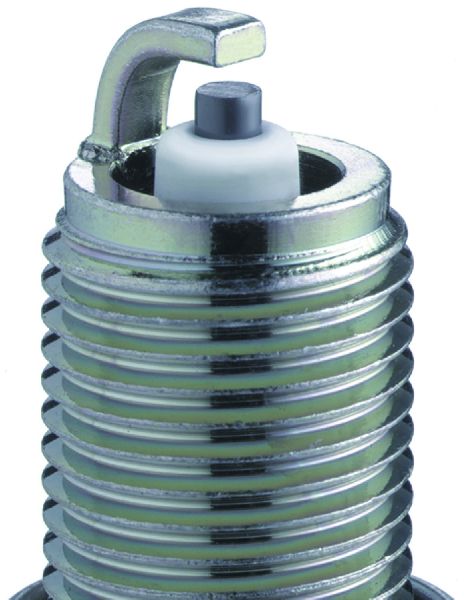
- NGK: Widely considered the top choice for Japanese vehicles. Starion owners frequently recommend NGK plugs for their reliability and performance. Specific part numbers like BPR6ES, BPR7ES, and BUR7EA-11 are often mentioned in forums, with the colder "7" heat range being a popular choice for modified or higher-boost applications.
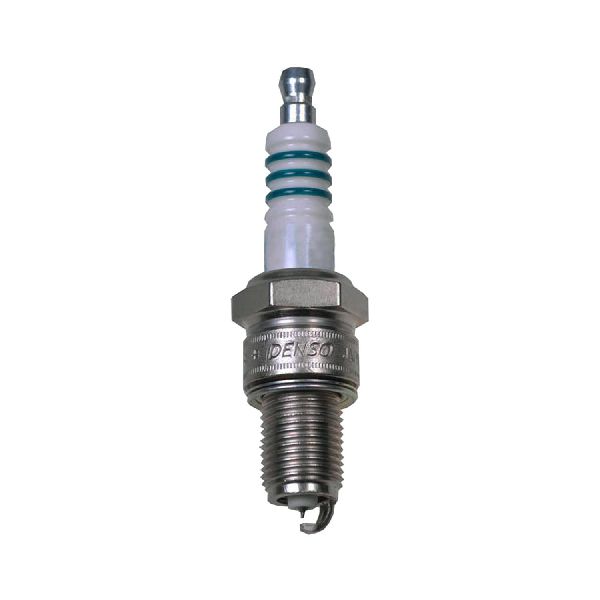
- Denso: Another excellent Japanese brand, often installed as original equipment in many vehicles. Denso and NGK are very comparable in quality and performance, with some users preferring Denso for a powerful spark and others choosing NGK for longevity and stability.
Tier 2: Good Quality & Value
These brands offer solid performance and are a good choice if the top-tier options aren't available.
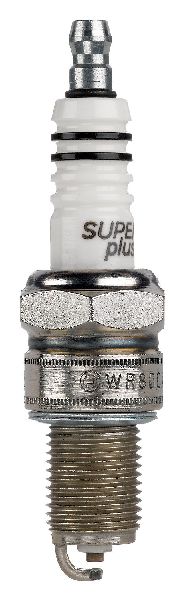
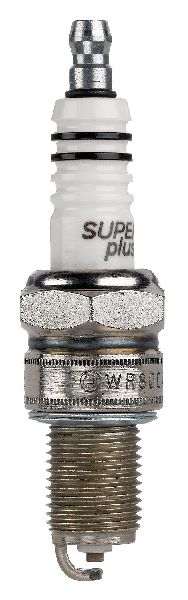
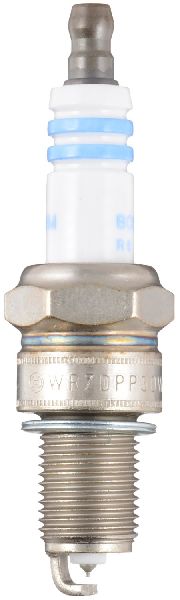
- Bosch: A reputable German brand with a long history of making quality ignition parts. Their iridium and platinum plugs are a popular aftermarket choice and generally well-regarded.
Tier 3: Budget-Friendly
These brands are widely available and can work well, but may not have the same reputation for longevity or performance in demanding applications as the top-tier brands.
- Champion: A long-standing American brand. Owner opinions are often mixed; some have good experiences, while others report issues with fouling or shorter life compared to other brands.
- Autolite: Often seen as a reliable budget alternative. Some users have had better luck with Autolite than with Champion plugs, finding them less prone to fouling.
Pro Tip: Many Starion owners recommend using standard copper or nickel plugs (like the NGK BPR-ES series) and changing them more frequently, rather than using expensive iridium or platinum plugs. The G54B engine was not originally designed for long-life precious metal plugs, and fresh copper plugs often provide the best performance.
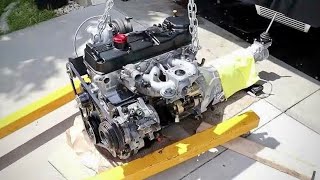
🎬 Watch a professional assembly of a high-performance Mitsubishi engine.Aftermarket Spark Plug Cost for 1983-1989 Mitsubishi Starion
| Part Type | Price Range (per set of 4) |
|---|---|
| New Aftermarket (Copper/Nickel) | $11 - $25 |
| New Aftermarket (Iridium/Platinum) | $30 - $65 |
| Shop Labor Cost | $60 - $120 |
Frequently Asked Questions (FAQ)
How often should I change the spark plugs on my Starion?
For standard copper or nickel plugs, a good interval is every 15,000 to 30,000 miles. If you use more expensive iridium or platinum plugs, you can extend that interval, but many owners of classic turbocharged cars prefer to use fresh copper plugs more often for optimal performance.
What is the correct spark plug gap for a Mitsubishi Starion?
The stock gap is typically around 0.040"-0.044". However, if you have increased the turbo boost pressure, it is common practice to use a smaller gap, often in the 0.028" to 0.032" range, to prevent the spark from being "blown out" under high pressure. Always check the gap on new plugs before installation.
🎬 See this walkthrough on how to properly change your spark plugs.Should I use anti-seize on the spark plug threads?
This is a debated topic. Some plug manufacturers like NGK state that their plugs have a special plating that negates the need for anti-seize. However, many mechanics and owners still apply a very small amount to the threads (avoiding the electrode) to prevent the plugs from seizing in the aluminum cylinder head. If you do use it, be careful not to over-torque the plugs, as the lubricant reduces friction.
What's the difference between a 'hot' and 'cold' spark plug?
This refers to the plug's "heat range," which is its ability to dissipate heat. A colder plug (like an NGK BPR7ES) transfers heat more quickly and is used in high-performance or high-boost engines to prevent detonation. A hotter plug (like an NGK BPR6ES) is standard. For NGK and Denso, a higher number means a colder plug. For most stock or lightly modified Starions, the standard heat range is fine.
Helpful Videos

Technical Specifications
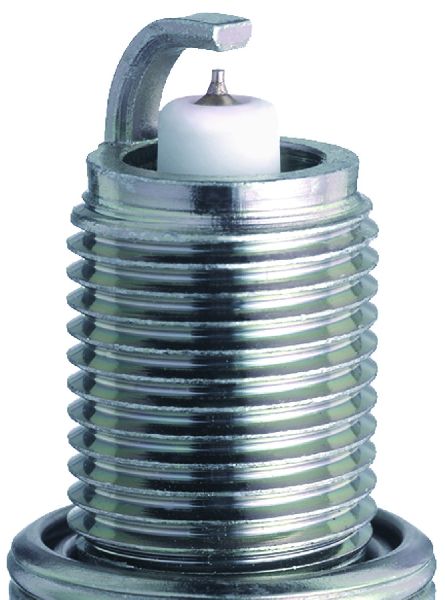
Common Spark Plugs: NGK BPR6ES-11 (Stock), NGK BPR7ES (Colder). Spark Plug Gap: 0.044" (stock), adjustable down to ~0.028" for higher boost. Wrench Size: 13/16 inch.
We Have This Part in Stock

The information in this article is provided for general reference and educational purposes only. Vehicle specifications, procedures, and part compatibility can vary by production date, trim level, and region. Always consult your vehicle's factory service manual and verify part numbers before purchasing or performing repairs. Safety-critical components such as airbags, seat belts, and braking systems should be installed by a qualified professional.
- Mitsubishi Starion:
- 🎬 Helpful Videos
- 🛍️ Shop This Part
- Signs of Failing Spark Plugs in a Starion
- Check Engine Light
- Choosing the Right Aftermarket Spark Plugs
- Tier 1: Highly Recommended
- Tier 2: Good Quality & Value
- Tier 3: Budget-Friendly
- Aftermarket Spark Plug Cost for 1983-1989 Mitsubishi Starion
- Frequently Asked Questions (FAQ)
- 🎟️ Get 5% Off