

Ford Ranger Parking Brake Cable In-Depth Guide for 1983-1991 Models
If the parking brake on your first-generation Ranger is sloppy or stuck, this guide is for you.
- The most common failure is the cable seizing from internal rust, causing the brake to stick on or not engage at all.
- You MUST order cables specific to your Ranger's wheelbase and rear brake size to ensure correct length.
- Aftermarket brands like Dorman and Raybestos are the most practical option, but quality can be inconsistent; inspect the part before installation.
- Replacing all cables at once is recommended since they are all the same age and exposed to the same conditions.
Symptoms of a Failing Parking Brake Cable

On these older Rangers, parking brake cable failure is common, usually due to age and exposure to the elements. The most frequent problem is the cable seizing inside its protective sheath from rust and moisture. Here’s what to look and feel for:
- Spongy or Loose Pedal: If the pedal goes to the floor with little resistance, the cable has likely stretched or snapped.
- Brake Won't Hold: You set the brake, but the truck still rolls on a slight incline. This indicates a stretched, broken, or improperly adjusted cable.
- Brake Stuck On: You release the parking brake, but one or both rear wheels drag. This is a classic sign of a seized cable that won't retract. You might notice a burning smell from the rear brakes or see excessive brake dust on one wheel.
- Visible Damage: A quick look underneath might reveal a frayed, rusted, or dangling cable.
Common Ordering Mistake: Check Your Wheelbase!
Not all 1983-1991 Ranger cables are the same length. Ford made several different lengths based on the truck's wheelbase (e.g., 108", 114", 125") and whether you have 9-inch or 10-inch rear brakes. Measure your truck or check the VIN before ordering to ensure you get the correct part. Ordering the wrong length is a frequent and frustrating mistake.
Choosing the Right Aftermarket Cable: Dorman vs. Raybestos

For a truck of this vintage, genuine Ford (OEM) parts are generally unavailable unless you find expensive New Old Stock (NOS). Aftermarket is the practical and affordable choice. The main brands you'll find are Dorman and Raybestos.
Honestly, for this specific part on this truck, both brands have mixed reputations based on owner experiences. The biggest issue with original cables was a design that allowed moisture in, causing them to seize. Many modern aftermarket cables, including Dorman's, use a better plastic outer sheath to prevent this.
- Raybestos (Element3): Often seen as a professional-grade brand. However, some users have reported that Raybestos cables for older Fords can be flimsy, with weak clips for the backing plate compared to the original parts. One user even reported receiving a cable that used hose clamps for adjustment, which is not ideal.
- Dorman: Dorman's quality is often described as "hit or miss." You might get a part that fits perfectly, or one that requires some modification. While some have had bad experiences, others have used their cables without issue.
Pro Tip: Since quality can vary, inspect the new cable before installation. Pay close attention to the quality of the sheath and the metal fittings that connect to the brake backing plate and the frame. The most important upgrade is a sealed plastic sheath that will resist corrosion better than the original design.
| Part/Service | Estimated Cost |
|---|---|
| New Aftermarket Cables (Dorman, Raybestos) | $31.04 - $57.00 |
| Shop Labor for Replacement | $200 - $400 |
| New OEM (NOS) | Rare and varies greatly |
Known Issues: No Recalls, But Seizing is Common

There are no specific NHTSA recalls for the parking brake cables on the 1983-1991 Ford Ranger. The primary known issue is not a manufacturing defect but a design vulnerability of the era. The original style cables are prone to internal rusting and seizing, especially in regions that use road salt. Water and debris get inside the cable housing, and over time, the inner cable rusts to the outer sheath, preventing it from moving freely.
Frequently Asked Questions

Can I just replace one of the three cables?
Yes, the front, intermediate, and rear cables are sold separately. However, if one cable has failed due to age and rust, the others are likely in similar condition. Given the low cost of the parts and the effort required to access the system, it is highly recommended to replace all related cables at the same time for peace of mind.
Why won't my new cable get tight enough?
If your new cable seems too long, first double-check that you ordered the correct part for your Ranger's wheelbase and brake size. If the part is correct, the issue may be that the front cable from the pedal has also stretched over time. You may also need to adjust the star wheel inside the brake drums to ensure the brake shoes are close enough to the drum surface.
Is replacing the parking brake cable a DIY job?
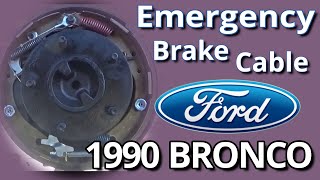
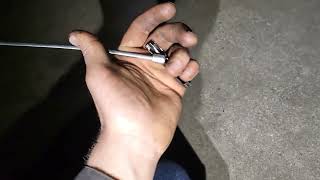
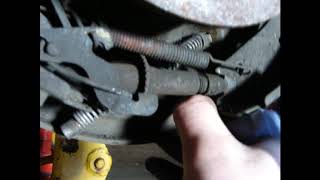
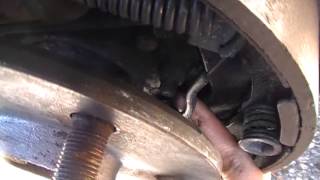
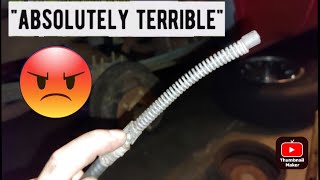
Yes, it is feasible for a home mechanic with basic tools. 🎬 See this step-by-step walkthrough of the cable replacement process. Expect to deal with a lot of rust. The hardest parts are often removing the old, seized cable ends from their brackets and getting enough slack to connect the new cables. 🎬 Watch how to properly connect the rear cables to the bracket. Using tools like locking pliers (vise-grips) to hold tension can be very helpful. Many people find it easiest to cut the old cables off with bolt cutters.
Is Dorman or Raybestos better for my Ranger's parking brake cable?
Neither brand is a guaranteed perfect fit, according to owner feedback. Both are functional, affordable options. Your best bet is to choose based on price and availability, and inspect the part upon arrival. Look for a cable with a modern, sealed plastic outer sheath, as this is an improvement over the original design and will help prevent future seizing.
Helpful Videos
Technical Specifications
OEM Part Numbers: E3TZ2A635B E4TZ2A635F E4TZ2A635L E5TZ-2853-A
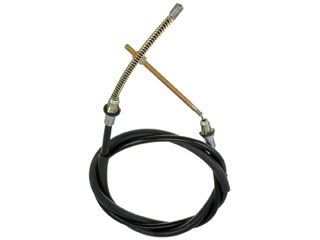
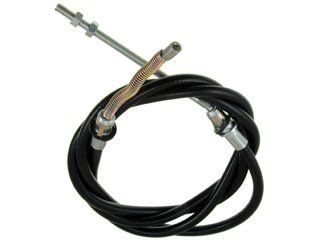
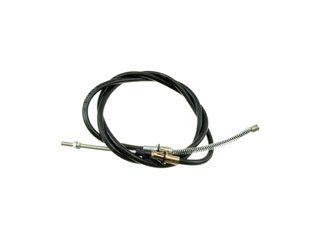
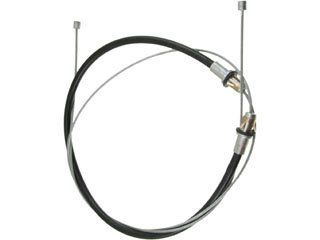
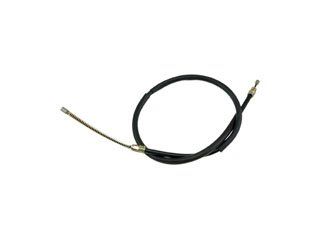
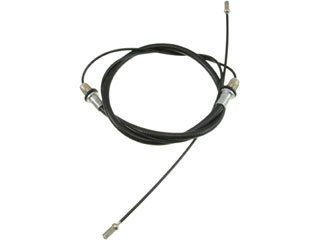
System consists of a front cable, an intermediate/equalizer cable, and two rear cables (left and right). Cable lengths vary by vehicle wheelbase and rear brake size (9" or 10" drums).
We Have This Part in Stock

The information in this article is provided for general reference and educational purposes only. Vehicle specifications, procedures, and part compatibility can vary by production date, trim level, and region. Always consult your vehicle's factory service manual and verify part numbers before purchasing or performing repairs. Safety-critical components such as airbags, seat belts, and braking systems should be installed by a qualified professional.
- Ford Ranger: