

Ford Ranger Horn Replacement Guide for 1983-2003 Models
Everything you need to know before replacing the horn on your first, second, or third-generation Ford Ranger.
- Diagnose before you buy; the horn unit may not be the problem. Check the fuse and relay first.
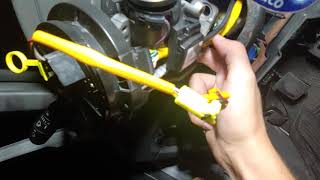
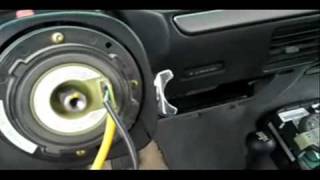
- A faulty clock spring is a very common cause of a dead horn, especially if the airbag light is also on.
- Replacing the horn itself is a very easy, 1/5 difficulty job that takes less than 30 minutes.
- The horn's location can vary from behind the grille to under the driver's wheel well, depending on the model year.
Is the Horn Really the Problem?

Before buying a new horn, it's important to know that the horn unit itself is often not the cause of the failure on a 1983-2003 Ford Ranger. The most common issues are simpler electrical problems. A quick diagnosis can save you time and money.
Listen for a 'click' when you press the horn button.
- If you hear a click (from the fuse box area): The problem is likely the horn itself, the wiring to it, or a bad ground connection.
- If you do NOT hear a click: The problem is likely the horn fuse, the horn relay, or the clock spring in the steering column.
A faulty clock spring is a very common issue, especially if your airbag light is on or the cruise control has also stopped working.
Symptoms of a Failing Ford Ranger Horn
A failing horn can present in a few ways. The most obvious is that it doesn't work at all. You might also notice that the sound is weak, muffled, or inconsistent. This can happen if the horn's internal diaphragm is damaged or if there's corrosion on the electrical connector, restricting power. Intermittent operation, where the horn works sometimes but not others, often points to a loose connection or a failing clock spring.
Choosing the Right Aftermarket Horn

For the 1983-2003 Ranger, you have a couple of quality tiers for aftermarket horns. Your choice depends on your budget and how closely you want to match the original part.
Brand Tiers
- Standard Ignition (Good): Standard Motor Products (SMP) is a well-respected brand that produces parts designed to be direct OE replacements. Their horns are built with quality materials and are expected to provide reliable, long-term performance similar to the factory part. This is a solid choice for owners who want a fit-and-forget repair.
- Replacement (Value): This is a budget-friendly option. A "Replacement" branded horn will get the job done and restore the function of your horn. While it is a new part, it may not have the same robust construction or longevity as a higher-tier brand or the original Ford part.
Pro Tip: Upgrade Your Sound. Many Ranger owners find the factory single-tone horn to be too quiet. A popular and easy modification is to install a dual-tone horn set from a Ford Crown Victoria or Grand Marquis. This provides a much louder, more authoritative sound and is often a direct plug-in upgrade.
New Aftermarket Horn Cost for 1983-2003 Ford Ranger
| Brand Tier | Estimated Part Cost |
|---|---|
| Standard Ignition | $45 - $58 |
| Replacement | $36 - $45 |
*Prices are estimates and may vary based on the specific horn (high/low tone) and retailer.
Frequently Asked Questions

Where is the horn located on a Ford Ranger?
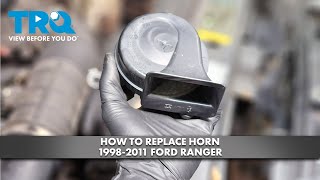
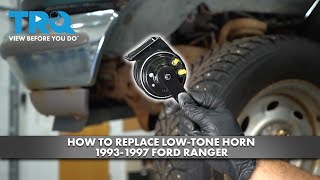
The location varies by year. For many later models (approx. 1998-2003), the horn is a single unit located behind the front grille, often on the passenger side. For some earlier models (approx. 1993-1997), there may be two horns located underneath the driver's side front wheel well, behind the splash guard. Always check your specific vehicle before starting work.
Is replacing the horn on a Ranger a DIY job?
Yes, replacing the horn unit itself is very easy. It is typically held on by a single 8mm or 10mm bolt and has one electrical connector. Accessing it is the only challenge, but it usually doesn't require removing many other parts. The entire job can often be done in under 30 minutes.
Why did my Ranger's horn suddenly stop working?
The most common cause is a blown fuse (check the power distribution box under the hood) or a bad horn relay. If you've checked those, the next most likely culprits are a corroded connector at the horn itself due to its exposed location, or a failed clock spring in the steering column.
Do I need to buy a special tool to replace the horn?
No special tools are required. A basic socket set (usually 8mm or 10mm) and maybe a pair of pliers are all that's needed to unbolt the old horn and disconnect it. If your new horn has different connectors, you may also need wire cutters and crimpers.
My horn button is on the turn signal stalk. Does that change anything?
Yes, very early Rangers (around 1983) had the horn switch on the stalk instead of the steering wheel pad. While the horn and relay function the same, the diagnostic process for the switch itself is different and does not involve a clock spring. However, the horn unit under the hood is replaced in the same way.
Helpful Videos
Technical Specifications
OEM Part Numbers: F87Z-13832-AB 1L5Z-13832-BA 2L5Z-13832-BA 4L5Z-13832-AA
Varies between single high or low tone horn and dual-horn setups depending on year and trim. Connection is typically a 1 or 2-pin plastic connector. Mounting is via a single bolt on a metal bracket.
We Have This Part in Stock


The information in this article is provided for general reference and educational purposes only. Vehicle specifications, procedures, and part compatibility can vary by production date, trim level, and region. Always consult your vehicle's factory service manual and verify part numbers before purchasing or performing repairs. Safety-critical components such as airbags, seat belts, and braking systems should be installed by a qualified professional.
- Ford Ranger: