

A Guide to Aftermarket Disc Brake Pads for the 1984-1987 BMW 325e
Choose the right brake pads to restore the original feel and stopping power of your classic E30.
- For best results, choose OEM-equivalent brands like ATE, Pagid, or Bosch for a balance of performance and comfort.
- Always replace the brake pad wear sensors (front and rear) when you replace your pads, especially if the warning light is on.
- Strongly consider replacing your brake rotors at the same time as your pads for optimal safety and performance.
- Avoid aggressive track-focused pads like Hawk HP Plus for street use, as they will be noisy and dusty.
Symptoms of Worn Brake Pads
The most common sign of failing brake pads is a high-pitched squealing or a deep grinding noise when you apply the brakes. A grinding sound is serious, suggesting the pads are worn down to the metal backing plate and are likely damaging your brake rotors. Another clear sign is the brake warning light illuminating on your dashboard, which is triggered by the brake pad wear sensor. You might also notice that the brake pedal feels soft, spongy, or requires more pressure than usual to stop the car.
Choosing the Right Aftermarket Brake Pads
For a classic car like the E30 325e, aftermarket parts often meet or exceed original quality. Many aftermarket brands were the Original Equipment Manufacturers (OEM) for BMW in the 1980s. The key is to choose the right brand and compound for your driving style.
Brake Pad Brand Tiers for Your 325e
| Tier | Brands | Assessment |
|---|---|---|
| OEM-Equivalent | ATE, Pagid, Bosch, TRW Parts | These brands are known OEM suppliers for BMW and other German cars. They provide a factory-like feel, predictable stopping power, and low noise for daily driving. ATE and Pagid are frequently recommended in owner forums as reliable, high-quality choices for a stock E30. |
| Performance Street | Hawk HPS, Brembo (Street) | For owners who drive more aggressively, Hawk's High Performance Street (HPS) pads offer a noticeable upgrade in stopping power with minimal extra dust or noise. They are a popular choice for spirited street driving without the harshness of a full race pad. |
| Aggressive / Dual-Use | Hawk HP Plus | These pads are designed for autocross and track days. While they offer excellent high-temperature performance, they are not recommended for a daily driven 325e. Expect significant noise (squealing) and heavy brake dust in normal street driving. |
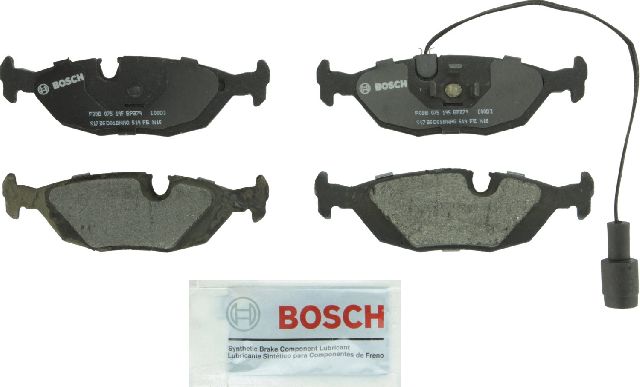
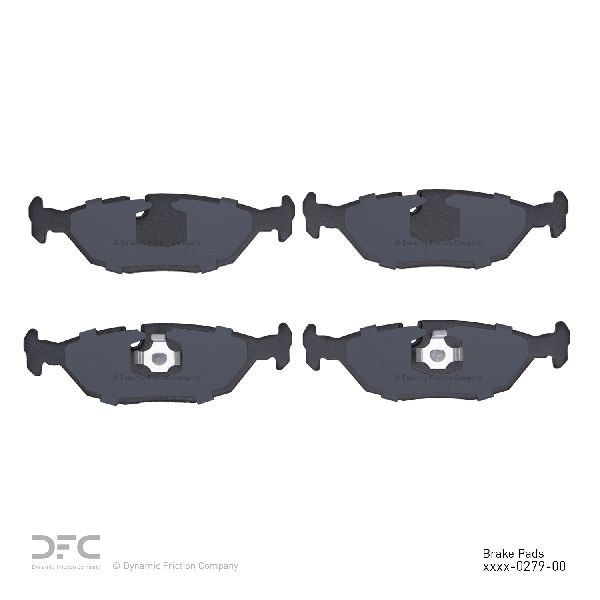
| Economy & Value | Centric, Dynamic Friction, Powerstop, Wagner, Raybestos | These brands offer a cost-effective solution. Powerstop kits are popular but receive mixed reviews; some users report good performance for the price, while others experience noise and vibration issues compared to OEM-quality brands. These are functional replacements but may not offer the same refinement or longevity as OEM-equivalent options. |
Check Your Rotors and Sensors
It is highly recommended to inspect your brake rotors when replacing pads. E30 rotors tend to wear with the pads and often do not last for two sets of pads. Installing new pads on grooved or warped rotors will reduce braking performance and shorten the life of your new pads. Also, remember that brake pad wear sensors are a one-time-use part. If your brake light is on, you must replace the sensor.
Frequently Asked Questions (FAQ)
What are brake pad wear sensors and do I need to replace them?
Your 1984-1987 325e has two brake pad wear sensors: one on the front left wheel and one on the rear right. This small sensor clips into the brake pad. When the pad material wears down to a minimum level, the sensor head contacts the spinning brake rotor, which breaks the sensor and triggers the warning light on your dash. Once this light is on, the sensor must be replaced along with the pads to reset the light. Many aftermarket pad sets do not include new sensors, so you may need to purchase them separately.
Should I choose ceramic or semi-metallic pads for my 325e?
Your car originally came with semi-metallic or organic pads. Semi-metallic pads (like those from ATE, Pagid, and Hawk HPS) offer excellent performance and a strong initial bite, which is characteristic of the BMW feel. The trade-off is more brake dust. Ceramic pads (offered by brands like Akebono and some Bosch lines) are known for being very quiet and producing very little dust, keeping your wheels cleaner. However, they may not have the same aggressive initial bite as semi-metallic pads, especially when cold. For most 325e owners looking to maintain the original driving dynamics, a quality semi-metallic pad is the best choice.
Do I have to replace my brake rotors with the pads?
While not strictly required if they are in good condition, it is strongly recommended. Brake rotors have a minimum thickness specification stamped on them. If they are worn below this thickness, or if they have deep grooves or a noticeable lip on the outer edge, they must be replaced. Putting new pads on worn rotors can cause noise, vibration, and poor stopping power. Given the reasonable cost of new rotors for the E30, replacing them with your pads is a smart investment.
My brake pedal feels spongy. Is it the pads?
While very worn pads can contribute to a poor pedal feel, a spongy pedal is more often caused by other issues in the hydraulic system. The most common causes are air in the brake lines or old, moisture-contaminated brake fluid. Brake fluid should be flushed and replaced every two years. Less common causes could include a failing master cylinder or swelling rubber brake hoses.
Are there any recalls for 1984-1987 325e brake pads?
No. Searches of the National Highway Traffic Safety Administration (NHTSA) database and other sources show no open recalls or widespread defect investigations specifically for the brake pads on the 1984-1987 BMW 325e. Recalls you may see online are for very modern BMWs with different braking systems.
Technical Specifications
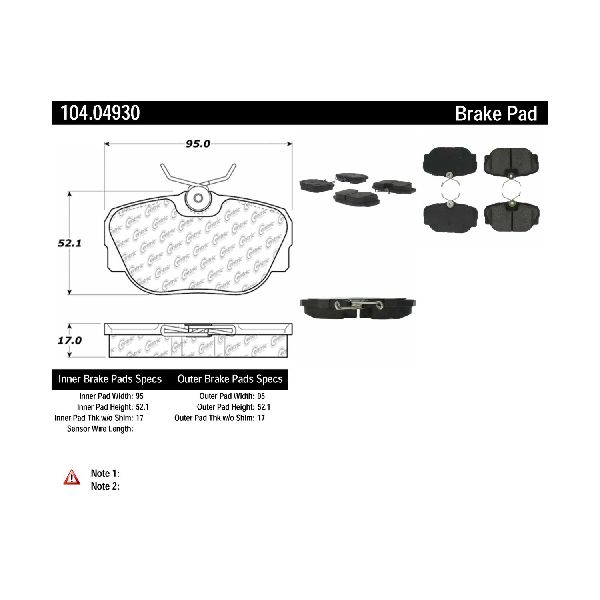
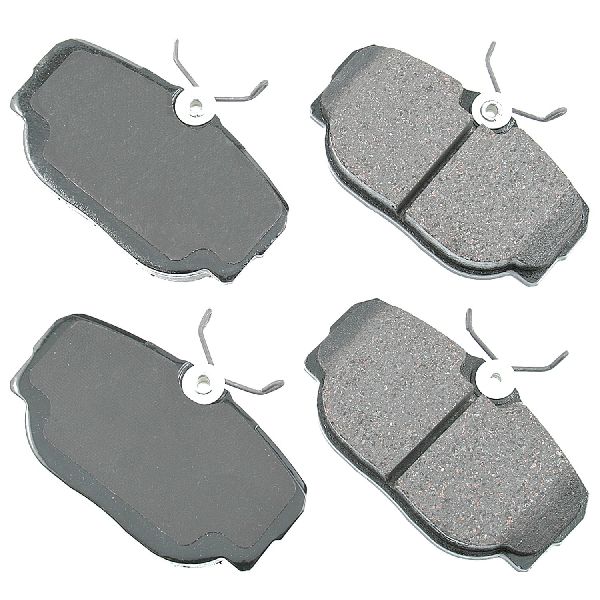
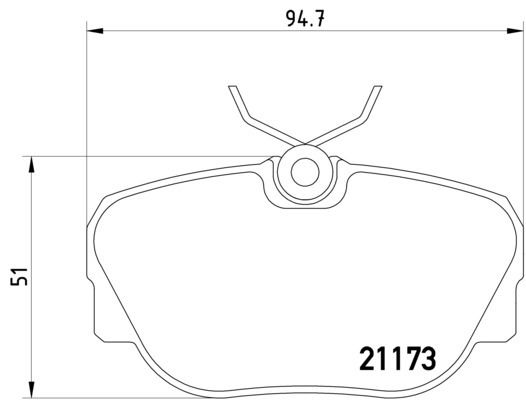
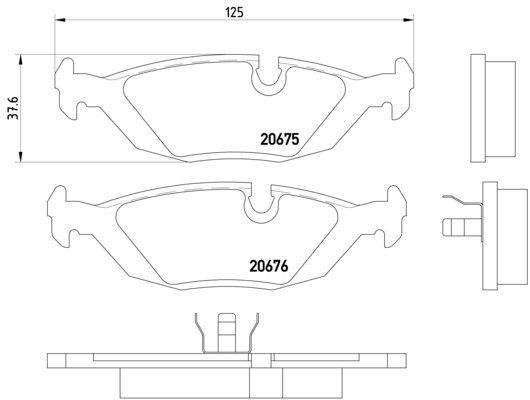
OEM Part Numbers: Front Pad Set: 34111162481 Rear Pad Set: 34211158191 Front Wear Sensor: 34359058889 Rear Wear Sensor: 34351181344
Vehicle is equipped with one front brake pad wear sensor (driver's side) and one rear brake pad wear sensor (passenger's side).
We Have This Part in Stock

The information in this article is provided for general reference and educational purposes only. Vehicle specifications, procedures, and part compatibility can vary by production date, trim level, and region. Always consult your vehicle's factory service manual and verify part numbers before purchasing or performing repairs. Safety-critical components such as airbags, seat belts, and braking systems should be installed by a qualified professional.
- BMW 325e: