

Dodge Aries CV Joint and Steering U-Joint Guide (1984-1989)
Getting clicking, popping, or vibrations from your front end? This guide explains the joints that keep your Aries moving and steering smoothly.
- Your FWD Aries uses CV joints for the drive axles, not traditional U-joints.
- A clicking noise when turning is the most common symptom of a bad CV joint.
- Replacing the entire CV axle assembly is usually easier and more reliable than replacing just the joint.
- Check for torn rubber boots and grease leaks, as this is a primary cause of failure.
Understanding Your Aries' Drivetrain and Steering Joints
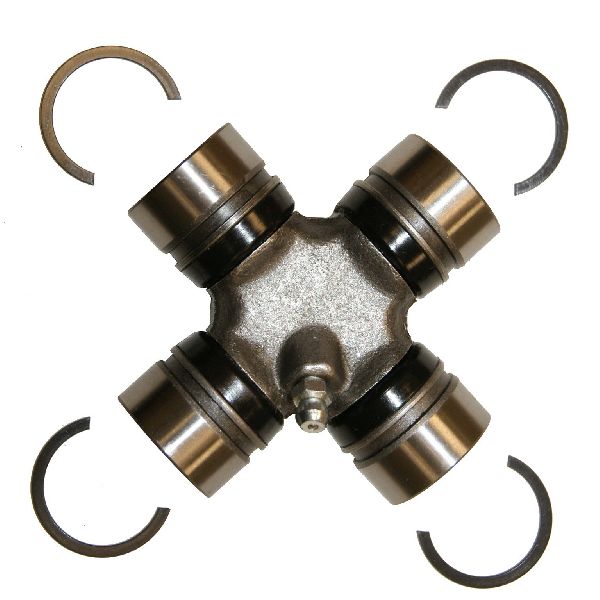
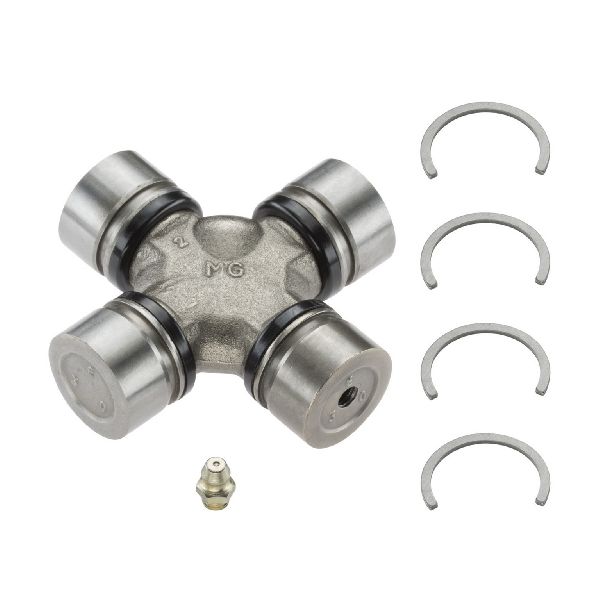
When people talk about "universal joints" for a 1984-1989 Dodge Aries, they are almost always referring to the Constant Velocity (CV) joints located on the front axles. Since your car is front-wheel drive, these CV joints do the job that U-joints would do on a rear-wheel-drive car's driveshaft. They are essential for letting the front wheels steer and absorb bumps while under power. There is also a smaller, more traditional U-joint in the steering column that connects to the steering rack, but this part fails less frequently. This guide will focus primarily on the CV joints, as they are a more common wear item.
Symptoms of a Failing CV Joint
A bad CV joint will give you clear warning signs. Ignoring them can lead to a complete failure where the car will not move.
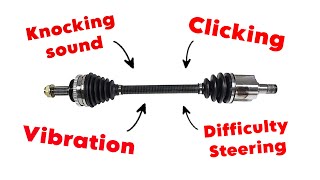
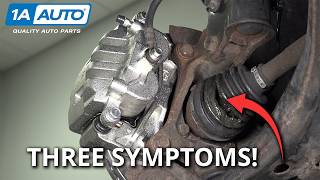
🎬 Watch this video to identify common symptoms of axle failure.- Clicking or Popping Noises When Turning: This is the most common symptom. You'll hear a rhythmic clicking or popping sound that gets faster as you accelerate through a turn. If it clicks when turning left, the problem is likely the left axle, and vice-versa.
- Vibrations While Driving: A worn-out CV joint or a bent axle shaft can cause vibrations that you feel through the steering wheel or the floor. This vibration often gets worse as you speed up.
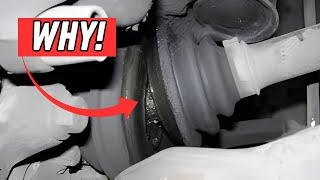
- Grease on the Inside of Your Wheel: CV joints are packed with grease and covered by a protective rubber boot. If this boot tears, grease will splatter on the inside of the wheel, suspension components, and under the car. This contamination is a major cause of joint failure. 🎬 Learn about nine different signs of a failing CV axle.
- Clunking Sounds: A clunking noise when you accelerate, decelerate, or shift gears can point to a worn inner CV joint. 🎬 See how smells and sounds indicate your CV axle is bad.
Steering Shaft U-Joint Symptoms
A failing steering U-joint presents differently. You might feel notchiness, binding, or looseness in the steering wheel. This is a serious safety issue that affects your ability to control the vehicle and should be inspected immediately.
Choosing the Right Aftermarket Part
For the Dodge Aries, you have two main choices when a CV joint fails: replace just the joint or replace the entire axle assembly. It is now common practice to replace the entire CV axle assembly rather than just the individual joints. This is often easier, faster, and ensures all related components are new.
Brand Quality: GMB vs. Moog
Both GMB and Moog are well-known aftermarket brands that produce parts for your Aries.
- Moog: Historically a top-tier brand, Moog's quality can be inconsistent today as they offer different product lines. Their premium "Problem Solver" line is generally considered higher quality than their standard "RK" series. Some users report good experiences, while others have seen premature failures.
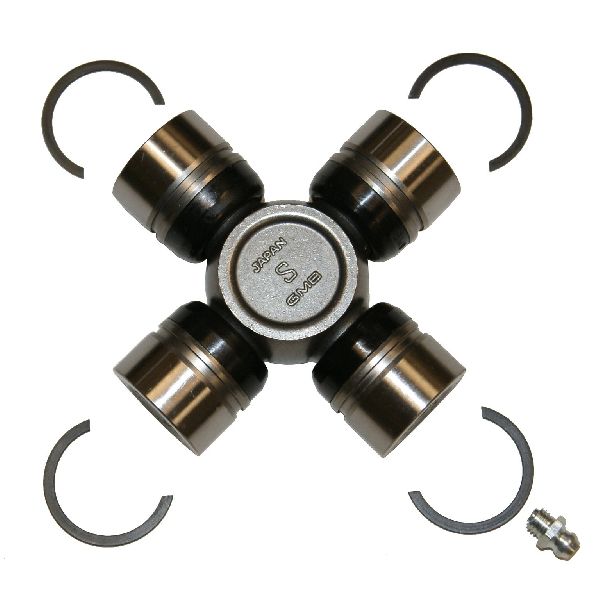
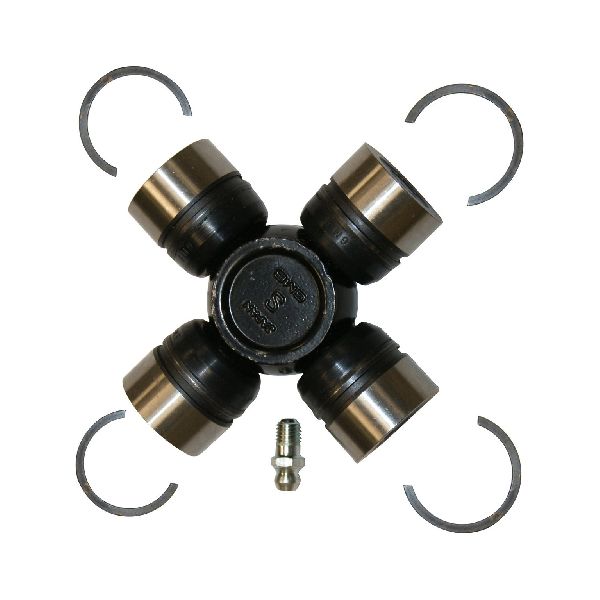
- GMB: GMB is another established manufacturer. Forum discussions sometimes compare them to Moog, with no clear consensus on which is definitively better; experiences vary.
Pro Tip: For a vehicle of this age, a complete new aftermarket axle assembly from a reputable brand is often the most cost-effective and reliable repair. It eliminates the difficult job of replacing just the joint and ensures both inner and outer joints are fresh.
Estimated Costs for CV Axle Replacement
Costs can vary based on your location and the specific parts chosen. Here are some general estimates.
| Part | Estimated Cost |
|---|---|
| New Aftermarket CV Joint Kit | $17 - $36 |
| New Aftermarket CV Axle Assembly | $60 - $95 |
| Shop Labor | $150 - $250 |
Frequently Asked Questions
Does my 1986 Dodge Aries have U-joints?
Your front-wheel-drive Aries uses CV joints in the front axles to power the wheels. It does not have the traditional U-joints found on a rear-wheel-drive car's driveshaft. It does, however, have a small U-joint in the steering shaft.
Is it better to replace the CV joint or the whole CV axle?
For most DIY and professional mechanics, replacing the entire CV axle assembly is the preferred method. It is less labor-intensive than rebuilding the axle with a new joint and guarantees that both the inner and outer joints, as well as the shaft itself, are new.
Were there any recalls for the Dodge Aries universal joints?
A search of the NHTSA database shows no recalls specifically related to the CV joints or steering universal joints for the 1984-1989 Dodge Aries.
Are there any Technical Service Bulletins (TSBs) for this issue?
While there are 11 TSBs listed for the Dodge Aries, none appear to be directly related to widespread issues with the CV or steering joints. TSBs are repair recommendations issued by the manufacturer for common problems.
Helpful Videos
Technical Specifications
The key component for the 1984-1989 Dodge Aries is the front CV axle assembly, which includes both inner and outer CV joints. A secondary component is the steering shaft universal joint.
We Have This Part in Stock

The information in this article is provided for general reference and educational purposes only. Vehicle specifications, procedures, and part compatibility can vary by production date, trim level, and region. Always consult your vehicle's factory service manual and verify part numbers before purchasing or performing repairs. Safety-critical components such as airbags, seat belts, and braking systems should be installed by a qualified professional.
- Dodge Aries: