

Engine Coolant Thermostat Guide for the 1984-1989 Mazda RX-7
Keeping your rotary engine at the right temperature is critical, and the thermostat is the key.
- For the RX-7's sensitive rotary engine, using a genuine Mazda (OEM) thermostat is highly recommended by the owner community for reliability.
- The standard 82°C (180°F) thermostat is correct for most applications; lower temperature thermostats are for specific racing use cases.
- Never run the engine without a thermostat, as it can lead to improper coolant flow and overheating.
- Ensure you get the correct seal for your car: S4 (84-88) models use a gasket, while S5 (89) models use an O-ring.
Symptoms of a Failing Thermostat in Your RX-7
A bad thermostat can fail in two ways: stuck open or stuck closed. The symptoms are usually easy to spot.
- Engine Overheating: If the thermostat is stuck closed, it won't allow coolant to get to the radiator. Your temperature gauge will climb into the red, especially when driving. This is a serious condition that can quickly damage your rotary engine.
- Engine Not Reaching Temperature: If the thermostat is stuck open, the engine will take a very long time to warm up. You may notice poor heater performance and reduced fuel economy. The temperature gauge may stay in the cold range or drop while driving at highway speeds.
- Erratic Temperature Readings: A thermostat that is sticking or slow to react can cause the temperature gauge to fluctuate wildly.
A Note on Rotary Engine Cooling
The Mazda rotary engine is famously sensitive to overheating. A single overheating event can cause catastrophic damage to the engine's seals. Because of this, using a high-quality, reliable thermostat is not just recommended—it's essential for engine longevity. Many owners in the RX-7 community strongly advise against using cheap, unverified aftermarket parts for this critical component.
Choosing the Right Aftermarket Thermostat
While a genuine Mazda OEM thermostat is the most recommended choice by experienced RX-7 owners, several aftermarket options are available. Here is a breakdown of the types of brands you will find.
Tier 1: OEM & OEM-Equivalent
This is the safest choice for a stock or lightly modified car. The OEM thermostat is designed specifically for the rotary engine's cooling system needs. Some aftermarket brands, like Beck Arnley, specialize in sourcing parts from original equipment manufacturers and rebranding them, which can be a good alternative.
- OEM Mazda: The community gold standard. Proven reliability and correct operation.
- Beck Arnley: Often an OEM part in a different box. A trusted choice for import vehicles.
Tier 2: Performance Brands
These brands offer thermostats that open at a lower temperature than the stock 82°C. This can be beneficial for highly modified or track-focused cars, but may not be ideal for a daily driver.
- Mishimoto: Offers a popular 68°C (154°F) racing thermostat. It opens earlier to start the cooling process sooner. However, for a street car, this can cause the engine to run too cool, potentially affecting performance and causing the ECU to stay in a fuel-rich warm-up mode.
Tier 3: Standard Aftermarket Brands
These are widely available and affordable brands. However, RX-7 owners have reported mixed results, with some experiencing overheating issues. Use these with caution; it is critical to test them before installation by placing them in a pot of water and verifying the opening temperature with a thermometer.
- Gates: A well-known aftermarket brand for many cooling system components.
- Stant: A very common brand, but some RX-7 owners have specifically reported problems with Stant thermostats not opening correctly and causing overheating.
- Motorad: Another large manufacturer of thermostats.
Pro Tip: Gasket vs. O-Ring
The 1984-1988 (S4) models typically use a paper or composite gasket for the thermostat housing. The 1989 (S5) model uses a rubber O-ring. The parts are not interchangeable, so be sure to order the correct seal for your year.
Estimated Cost for Thermostat Replacement
| Part/Service | Estimated Cost |
|---|---|
| New OEM Thermostat | $30 - $50 |
| New Aftermarket Thermostat | $11 - $69 |
| Shop Labor | $100 - $180 |
| Total (DIY) | $11 - $69 |
| Total (Shop) | $111 - $249 |
Frequently Asked Questions
Should I use an OEM or aftermarket thermostat?
For the 1984-1989 RX-7, the strong consensus among owners is to use a genuine Mazda (OEM) thermostat. The rotary engine's cooling system is very sensitive, and OEM parts have a proven track record of reliability that some aftermarket parts lack. If you choose aftermarket, select a high-quality brand and test it before installation.
What temperature thermostat should I use?
For a stock or daily-driven RX-7, the factory 82°C (180°F) thermostat is the correct choice. Using a lower temperature thermostat, like a 68°C or 75°C unit, is generally only recommended for racing or heavily modified engines and can cause issues on a street car.
Can I run my RX-7 without a thermostat?
No, you should never run your car without a thermostat. Removing it will cause the engine to warm up very slowly and may not allow the coolant to spend enough time in the radiator to cool effectively. More importantly, on a rotary engine, it prevents the special bypass port from being blocked, which can cause coolant to recirculate within the engine instead of going to the radiator, leading to overheating.
What is the 'jiggle pin' and why is it important?
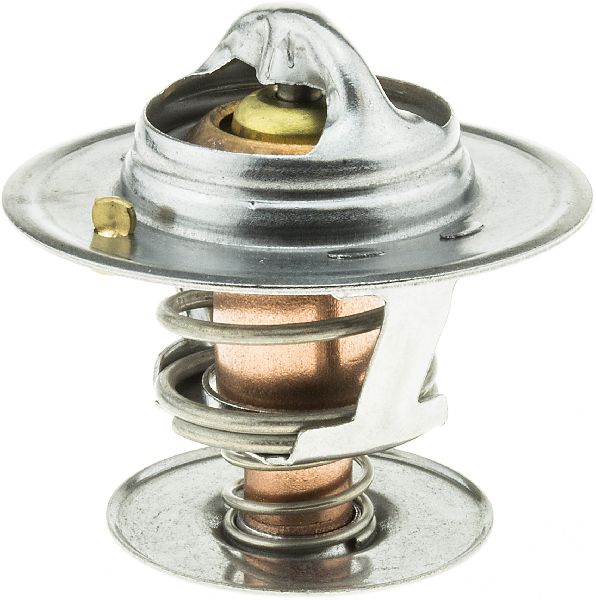
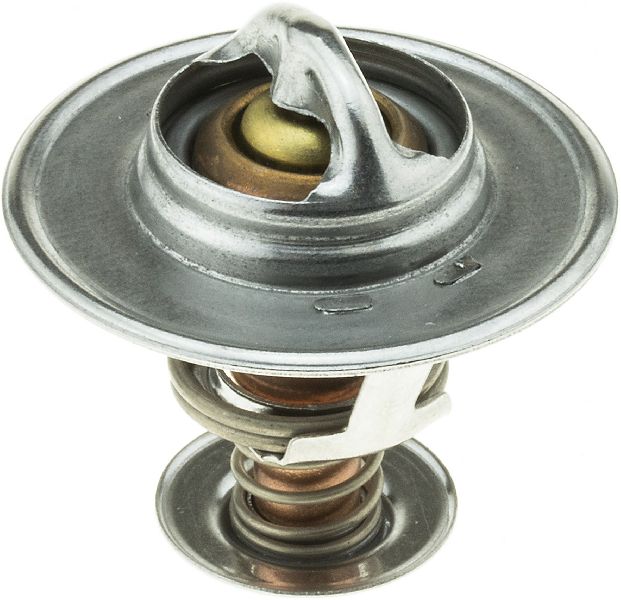
Some thermostats have a small pin or valve that jiggles, called a jiggle pin. Its purpose is to allow trapped air to bleed out of the cooling system. When installing a thermostat with a jiggle pin, it should always be positioned at the highest point, usually the 12 o'clock position, to be most effective.
Technical Specifications
Standard Opening Temperature: 82°C / 180°F
We Have This Part in Stock


The information in this article is provided for general reference and educational purposes only. Vehicle specifications, procedures, and part compatibility can vary by production date, trim level, and region. Always consult your vehicle's factory service manual and verify part numbers before purchasing or performing repairs. Safety-critical components such as airbags, seat belts, and braking systems should be installed by a qualified professional.
- Mazda RX-7:
- 🛍️ Shop This Part
- Symptoms of a Failing Thermostat in Your RX-7
- A Note on Rotary Engine Cooling
- Choosing the Right Aftermarket Thermostat
- Tier 1: OEM & OEM-Equivalent
- Tier 2: Performance Brands
- Tier 3: Standard Aftermarket Brands
- Pro Tip: Gasket vs. O-Ring
- Estimated Cost for Thermostat Replacement
- Frequently Asked Questions
- 🎟️ Get 5% Off