

Ford Bronco II A/C Condenser: A Guide for 1984-1990 Models
Get your classic Bronco II's air conditioning working again by understanding how to choose the right replacement condenser.
- For a 1984-1990 Bronco II, a new aftermarket condenser is the only practical and recommended option.
- Replacing the condenser is the ideal time to convert your system from old R12 to modern R134a refrigerant.
- You must always replace the accumulator/drier and orifice tube when replacing the condenser to protect the system.
- Due to refrigerant handling laws, replacement is a job for a professional shop with the proper equipment.
Is Your Bronco II's A/C Blowing Warm?
If the air conditioning in your 1984-1990 Ford Bronco II isn't as cold as it used to be, a failing A/C condenser could be the problem. Located at the very front of the vehicle, right in front of the radiator, the condenser is exposed to road debris, rocks, and bugs. Over 30+ years, this exposure can cause physical damage, corrosion, and leaks, which are the most common reasons for failure.
Symptoms of a Bad A/C Condenser
- Poor or No Cooling: The most obvious symptom is warm air blowing from the vents, even when the A/C is on full blast. This happens when the condenser can't cool the refrigerant properly.
- Visible Leaks or Damage: You might see oily residue on the condenser's surface. Refrigerant oil circulates with the refrigerant, so an oily spot indicates a leak. Bent or crushed cooling fins can also reduce performance.
- Engine Overheating at Idle: In some cases, a clogged or inefficient condenser can restrict airflow to the engine's radiator, causing the engine temperature to rise when the vehicle is not moving.
- A/C System Shuts Off: The system has pressure switches that protect the compressor. If a leak causes the refrigerant level to drop too low, the switch will prevent the compressor from turning on at all.
Choosing the Right Aftermarket Condenser
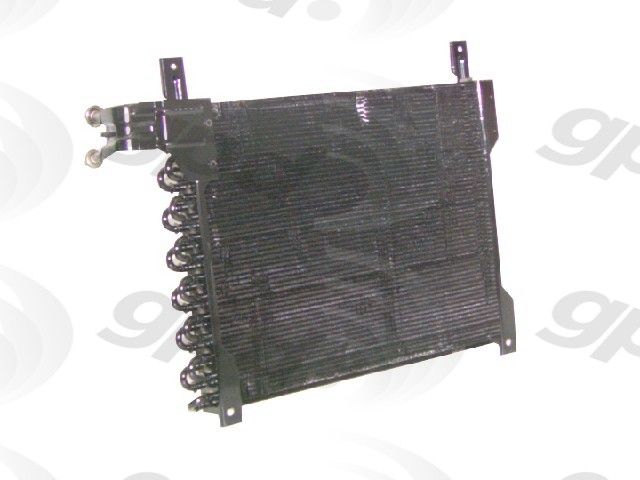
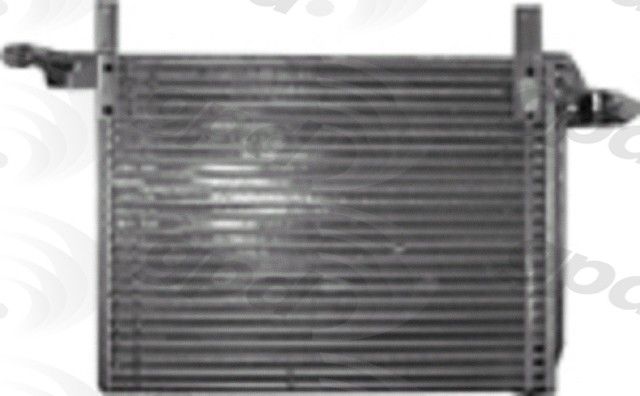
For a vehicle as old as the 1984-1990 Bronco II, finding a new original equipment (OEM) Ford condenser is nearly impossible. The good news is that modern aftermarket condensers are readily available and are the most practical solution.
OEM vs. Aftermarket: Don't worry about not finding an OEM part. Aftermarket brands like APDI and Global Parts (GPD) produce direct-fit replacement condensers. While some online discussions mention APDI feeling thinner than other brands, both companies state their parts are leak-tested and designed to meet or exceed original specifications. For this classic truck, a new, warrantied aftermarket part is a far better choice than a used, unreliable OEM part from a junkyard.
Pro Tip: Convert to R134a Refrigerant
Your Bronco II originally used R12 refrigerant, which is no longer produced and is very expensive. When you replace the condenser, it is the perfect time to convert your system to modern R134a refrigerant. New aftermarket condensers are designed as parallel-flow units, which are more efficient and work well with R134a. A proper conversion involves replacing the accumulator/drier, orifice tube, and all O-rings, and using the correct Ester oil.
Replacement Cost for a 1984-1990 Ford Bronco II
The cost to replace the A/C condenser can be broken down into parts and labor. Since this job requires specialized equipment to handle refrigerant, many owners choose to have a professional shop do the work.
| Part / Service | Estimated Cost |
|---|---|
| New Aftermarket A/C Condenser | $130 - $155 |
| A/C Accumulator/Drier (Required) | $30 - $50 |
| Shop Labor & System Recharge | $250 - $450 |
| Total Estimated Cost | $410 - $655 |
Cost estimates are for reference only and may vary based on location, vehicle condition, and the specific shop.
Warning: Refrigerant Handling
Automotive refrigerants are hazardous and regulated. It is illegal to release them into the atmosphere. The A/C system must be professionally evacuated before any work is done and properly recharged after the repair. This requires special equipment and certification.
Frequently Asked Questions (FAQ)
Can I replace the A/C condenser myself?
While the physical replacement is possible for a skilled DIY mechanic, the A/C system must be legally and safely evacuated before starting and vacuum-tested and recharged afterward. These steps require expensive, specialized tools, making this a job best left to a professional shop for most people.
Do I have to replace other parts with the condenser?
Yes. You must replace the A/C accumulator (also called a receiver/drier) and the orifice tube whenever the system is opened for a major repair. The accumulator absorbs moisture, and a new one is required to protect the new condenser and the rest of the system. Failure to do so will likely void the warranty on your new part and lead to premature failure.
What's the difference between factory A/C and dealer-installed A/C?
On older vehicles like the Bronco II, some A/C systems were installed at the dealership, not the factory. These systems can have different components, like the compressor and the location of the accumulator. While the condenser is often the same, it's important to visually inspect your system to ensure you order the correct matching parts.
How do I know it's the condenser and not the compressor?
A visual inspection is the first step. If you see obvious damage or an oily leak on the condenser, it's the likely culprit. A technician can perform a pressure test or use UV dye to pinpoint the exact location of a leak. A bad compressor often makes grinding noises, while a condenser failure is usually silent.
Technical Specifications
Construction: Parallel Flow Aluminum. This design is more efficient than older tube-and-fin styles and is well-suited for R134a refrigerant conversions.
We Have This Part in Stock

The information in this article is provided for general reference and educational purposes only. Vehicle specifications, procedures, and part compatibility can vary by production date, trim level, and region. Always consult your vehicle's factory service manual and verify part numbers before purchasing or performing repairs. Safety-critical components such as airbags, seat belts, and braking systems should be installed by a qualified professional.
- Ford Bronco II: