

Ford Bronco II Engine Oil Pressure Switch & Sender Guide (1984-1990)
A complete guide to understanding, diagnosing, and replacing the oil pressure switch in your 1984-1990 Ford Bronco II.
- A gauge reading zero is the most common symptom, but always check your oil level before assuming the sender is the only problem.
- For reliability, choosing the OEM Motorcraft brand or a premium aftermarket brand like Standard Ignition is highly recommended by owners.
- The part is located on the driver's side of the 2.9L engine block and can be in a tight spot, but replacement is a simple DIY job.
- Confirm if your Bronco II has a gauge (sending unit) or a warning light (switch) to ensure you purchase the correct part.
Is it a Switch or a Sending Unit?

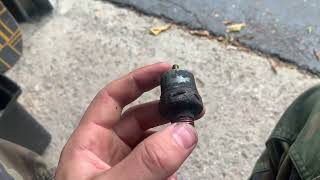
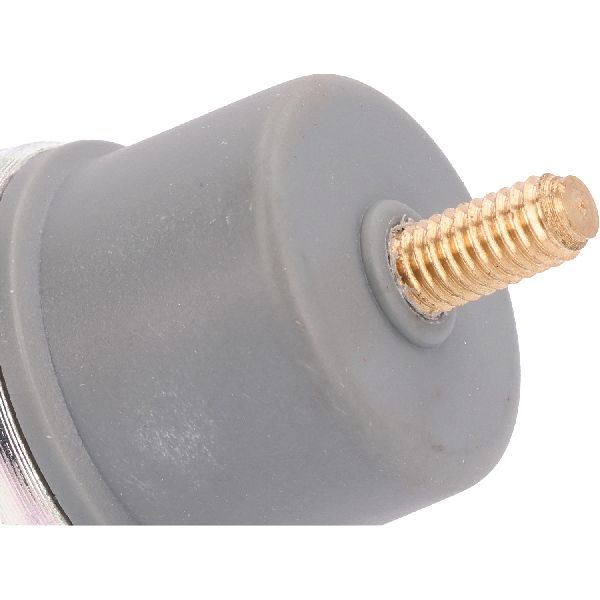
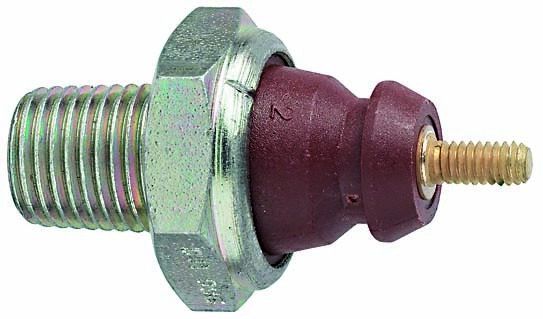
It's important to know what you have. Most 1984-1990 Bronco IIs equipped with a dashboard gauge use an oil pressure sending unit. This is a variable resistor that sends a changing signal to the gauge, causing the needle to move up and down with the actual oil pressure. Some base models or later years might have a simple warning light instead of a gauge. These use an oil pressure switch, which is a simpler on/off device that triggers the light when pressure is critically low. Forum discussions indicate that some later models may have a "fake" gauge that only moves to a 'normal' position when the switch sees minimum pressure, which can be misleading. Always order the part that matches your vehicle's original setup (gauge or light).
Symptoms of a Failing Oil Pressure Switch

A bad oil pressure sender can cause a lot of worry, but it's often an easy fix. Here are the common signs:
- Gauge Reads Zero: The most common symptom is the oil pressure gauge dropping to zero and staying there.
- Gauge is Erratic: The needle may jump around wildly, peg all the way to high, or flicker.
- Oil Light Stays On or Flickers: If you have a warning light, it might stay on constantly or flicker, especially at idle.
- Oil Leak: The switch itself can fail and leak oil. You may see oil on the sensor or dripping from that area of the engine block.
Warning: Don't Ignore Low Oil Pressure
Never assume a low or zero reading is just a bad sensor. Always check your oil level immediately. If the level is good, listen for engine noises like ticking, knocking, or clunking. If you hear unusual noises, shut the engine off immediately to prevent severe damage. It's best to confirm the actual oil pressure with a mechanical gauge 🎬 Watch this walkthrough on installing a mechanical oil pressure gauge before driving the vehicle.
Choosing the Right Aftermarket Part

When it comes to sensors, quality matters. While many brands are available, owner experiences and mechanic recommendations point towards a tiered system.
Tier 1: OEM & Premium Aftermarket
- Motorcraft: This is the original Ford part. It's the benchmark for fit, function, and durability. Many owners recommend sticking with Motorcraft to avoid issues, as some aftermarket versions can provide inaccurate readings or fail prematurely.
- Standard Motor Products (SMP): Generally considered a high-quality aftermarket alternative with a strong reputation. They often manufacture parts to meet or exceed original specifications.
Tier 2: Standard Aftermarket
- Facet, Global Parts, Rostra Powertrain: These brands offer a more budget-friendly option. They can be a good value, but their long-term reliability may not match that of the premium brands. For a critical sensor like this, the small price difference for a premium brand is often worth the peace of mind.
Pro-Tip: Check the Connector
After decades of heat and oil exposure, the plastic electrical connector for the switch can become brittle and fail. Inspect it carefully when you replace the sender. If it's cracked or the connection is loose, it's a good idea to replace the connector pigtail at the same time to ensure a reliable signal.
Cost to Replace an Engine Oil Pressure Switch
| Part Type | Price Range |
|---|---|
| New Aftermarket | $7.35 - $35.57 |
| New OEM (Motorcraft) | $21.00 - $35.00 |
| Shop Labor | $70 - $140 |
Installation Tips

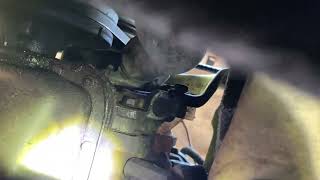
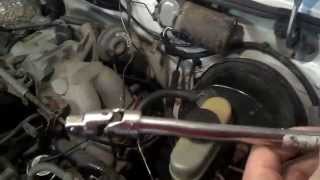
Replacing the oil pressure sender on the 2.9L V6 is a straightforward job. It is located on the lower left (driver's) side of the engine block, often below the power steering pump. It can be in a tight spot near the engine mount, which can make getting a wrench or socket on it difficult. A special oil pressure switch socket is highly recommended. Remember to place a drain pan underneath, as a small amount of oil will spill out when the old sensor is removed.
Frequently Asked Questions
My gauge dropped to zero. Is my engine ruined?
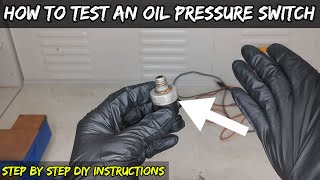
Not necessarily. The most common cause is a failed sending unit. Check your oil level. If it's full and the engine sounds normal (no knocking or loud ticking), the problem is most likely electrical. 🎬 See how to test your oil pressure sensor with basic tools You can verify with a mechanical gauge to be certain.
Where is the oil pressure switch located on my Bronco II?
On the 2.9L V6 engine, it is located on the lower front area of the driver's side of the engine block. It may be somewhat hidden below the power steering pump.
Can I replace this part myself?
Yes, this is a very DIY-friendly job for most home mechanics. It typically requires basic hand tools and a special socket for the switch. Access can be tight, but the process is simple: unplug the wire, unscrew the old switch, screw in the new one, and reconnect the wire.
Are there any recalls for this part?
No specific recalls for the oil pressure switch on the 1984-1990 Ford Bronco II were found in NHTSA searches. Recalls found for oil pressure issues relate to much newer Ford models and different engine components.
Helpful Videos
Technical Specifications
OEM Part Numbers: E4ZZ-9278-A E9SZ-9278-A E9TZ-9278-A D4AZ-9278-A
Varies between a variable-resistance sender for gauges and a simple on/off switch for warning lights. Thread size is typically 1/4" NPT.
We Have This Part in Stock


The information in this article is provided for general reference and educational purposes only. Vehicle specifications, procedures, and part compatibility can vary by production date, trim level, and region. Always consult your vehicle's factory service manual and verify part numbers before purchasing or performing repairs. Safety-critical components such as airbags, seat belts, and braking systems should be installed by a qualified professional.
- Ford Bronco II:
- 🎬 Helpful Videos
- 🛍️ Shop This Part
- Is it a Switch or a Sending Unit?
- Symptoms of a Failing Oil Pressure Switch
- Warning: Don't Ignore Low Oil Pressure
- Choosing the Right Aftermarket Part
- Pro-Tip: Check the Connector
- Cost to Replace an Engine Oil Pressure Switch
- Installation Tips
- Frequently Asked Questions
- 🎟️ Get 5% Off