

Your Guide to the 1984-1991 Honda Civic Oxygen Sensor
Everything you need to know about replacing the oxygen sensor in your EF or third-generation Civic.
- Your Civic uses a single, upstream, non-heated oxygen sensor. Check for ECU blink code '1' to confirm a failure.
- For best results and reliability, choose an aftermarket sensor from an OEM brand like NGK (NTK) or Denso.
- Avoid Bosch sensors for this application if possible, as they have a reputation for issues with older Honda ECUs.
- Always use a direct-fit sensor to avoid cutting and splicing wires, and apply anti-seize to the new sensor's threads.
Is Your Oxygen Sensor Failing?
A bad oxygen sensor in your Civic won't leave you stranded, but it will cause problems. Because these cars pre-date modern OBD-II diagnostics, you won't get a typical "P" code. Instead, you'll need to check the ECU for blink codes.
🎬 Watch: How to check your 1988-1991 Civic check engine light.To check the codes, locate the ECU under the carpet in the passenger-side footwell. You will see a small window with an LED light. Turn the ignition key to the "ON" position (without starting the engine). The LED will flash a code. 🎬 Watch this guide to help you read Honda ECU codes. One single blink (Code 1) indicates a problem with the oxygen sensor.
Key Symptoms of a Bad Oxygen Sensor:
- Check Engine Light: The ECU will show a Code 1.
- Poor Fuel Economy: The engine may run rich, using more fuel than necessary.
- Failed Emissions Test: High levels of carbon monoxide (CO) from a rich fuel mixture is a common sign.
- Rough Idle or Hesitation: The engine may not run smoothly due to the incorrect air-fuel ratio.
- Rotten Egg Smell: A rich-running engine can overwhelm the catalytic converter, causing a sulfur smell from the exhaust.
A Note on Carbureted Models
This guide applies to fuel-injected (FI) Honda Civic models, such as the Si and later DX/LX trims. Most carbureted models from this era do not use an oxygen sensor in the same way, if at all. Always verify your specific engine type before ordering parts.
Choosing the Right Aftermarket Oxygen Sensor
For older Hondas, the brand of sensor you choose matters. While OEM from a dealer is an option, it's often expensive and unnecessary. High-quality aftermarket parts from the original manufacturers are available and perform just as well. We can group the available brands into tiers based on quality and community feedback.
Tier 1: OEM Quality
These brands are the original equipment manufacturers for Honda. They are the most recommended and reliable choices for a direct, trouble-free replacement.
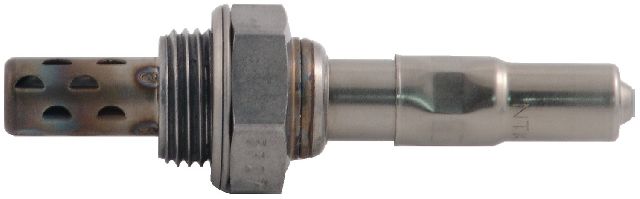
- NGK (NTK): NTK is the sensor division of NGK. They are a confirmed OEM supplier for Honda and are widely considered the best aftermarket choice. You can't go wrong with an NTK sensor.
- Denso: Like NTK, Denso is another original manufacturer for Honda parts. They offer excellent direct-fit sensors that meet or exceed original specifications.
Tier 2: Standard Replacements
These brands are well-known in the aftermarket and can be a good value, but have some caveats.
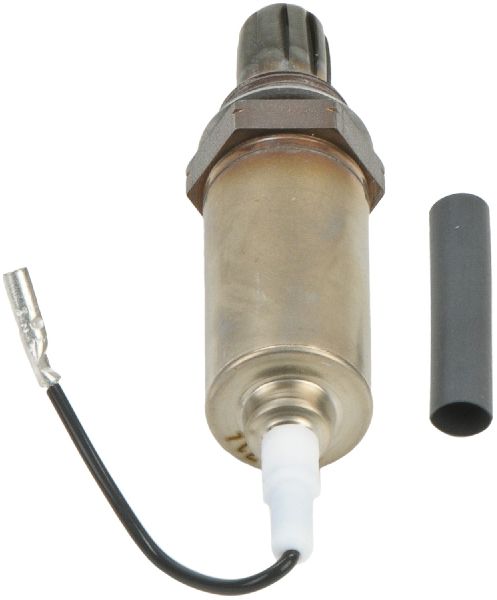
- Bosch: While Bosch is a huge name in auto parts and invented the oxygen sensor, their products have very mixed reviews in the Honda community. Many forum users report that Bosch sensors can fail prematurely or provide incorrect readings on older Japanese cars. It might work, but an NGK or Denso is a safer bet.
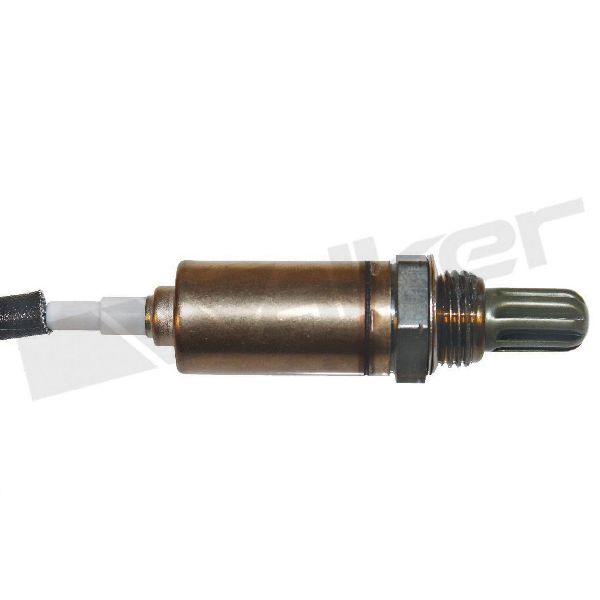
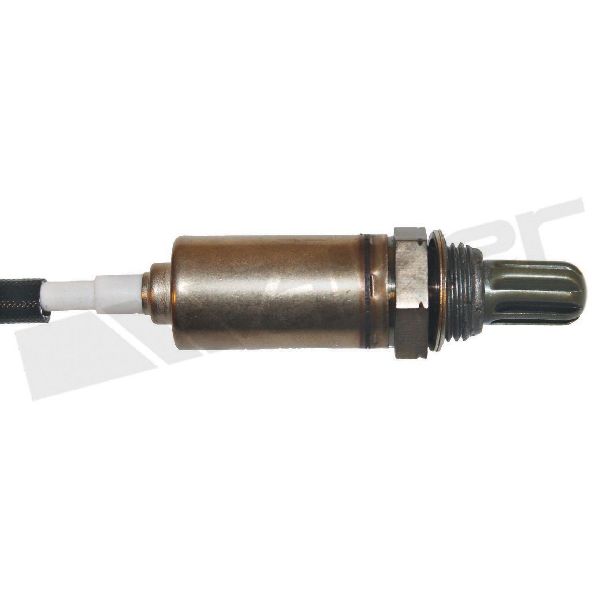
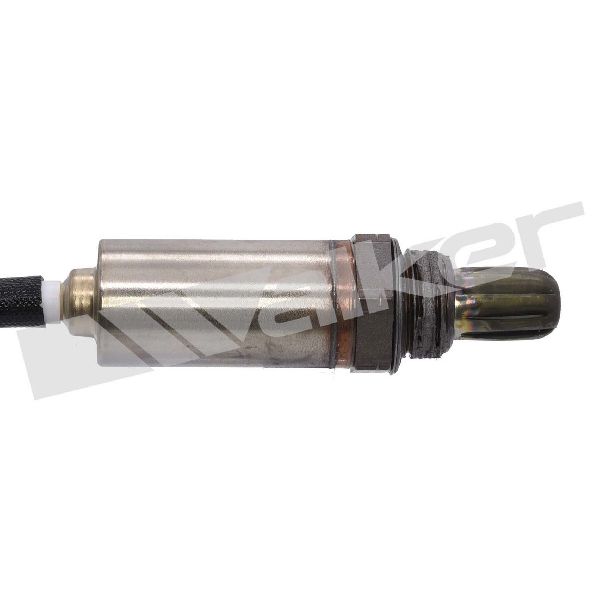
- Walker Products: Walker is a common aftermarket brand that offers a budget-friendly alternative. User reviews are generally acceptable, with some suggesting they may even be re-branded Denso parts in some cases. They are a decent choice if the top-tier brands are not available.
Tier 3: Economy Options
These brands offer the lowest price point, making them suitable for tight budgets.
- DriveWire: An economy brand that provides a functional replacement when cost is the main priority.
- Spectra: Often one of the most affordable options available, Spectra sensors will get the job done for basic repairs.
Always Choose Direct-Fit
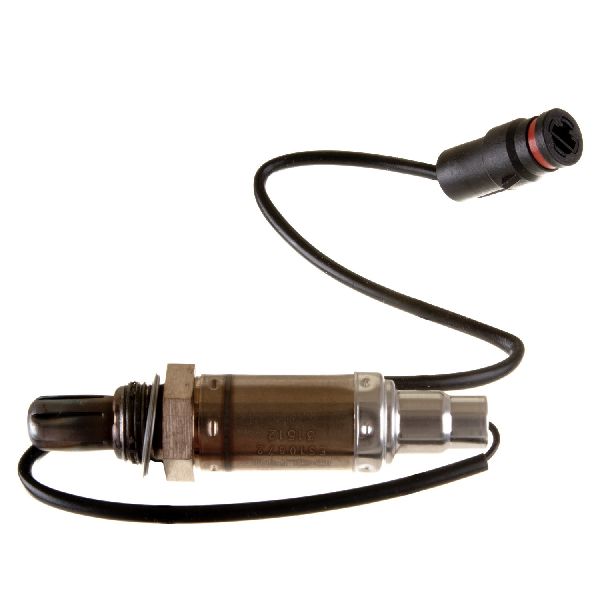
For this job, always buy a "direct-fit" sensor. These come with the correct electrical connector already attached. A "universal" sensor requires you to cut the old connector off and splice it onto the new sensor's wires. This adds unnecessary work and creates a potential point of failure.
Cost of Replacing Your Oxygen Sensor
The cost will vary depending on the brand you choose and whether you do the work yourself. The job is simple enough for most DIY mechanics.
| Part Type | Estimated Cost |
|---|---|
| New Aftermarket Sensor | $22.94 - $81.22 |
| New OEM Sensor (Dealer) | $150 - $250+ |
| Shop Labor | $50 - $100 |
Frequently Asked Questions
Why does my Civic only have one oxygen sensor?
Your 1984-1991 Civic was built before modern OBD-II regulations, which mandated a second oxygen sensor after the catalytic converter to monitor its efficiency. Your car's system only needs one sensor (upstream) to manage the engine's air-fuel mixture.
Is it hard to replace the oxygen sensor myself?
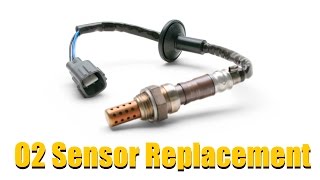
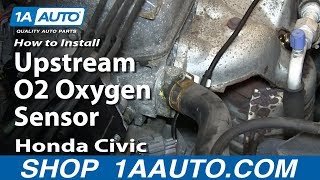
No, it's generally an easy job. The sensor is located on the exhaust manifold. The main difficulty is that the old sensor can be seized from years of heat. Let the engine cool completely, spray the sensor's base with penetrating oil, and use a special oxygen sensor socket for removal. 🎬 See this walkthrough on how to replace your Denso sensor. The socket has a slot for the wire, allowing you to get a good grip.
What is anti-seize and do I need to use it?
Anti-seize is a special lubricant that you apply to the threads of the new oxygen sensor before installing it. This prevents the sensor from getting stuck (seizing) in the exhaust manifold, making it much easier to remove in the future. Most high-quality sensors from brands like NGK and Denso come with a small packet of anti-seize.
After replacing the sensor, how do I turn off the check engine light?
Once the new sensor is installed, you can reset the ECU to clear the code. The simplest way is to disconnect the negative terminal of your car's battery for a few minutes. After you reconnect it, the ECU's memory will be cleared, and the light should be off.
Helpful Videos

Technical Specifications
OEM Part Numbers: 36531-PM6-A02
This vehicle generation typically uses a single-wire, non-heated, narrow-band oxygen sensor located in the upstream position (exhaust manifold).
We Have This Part in Stock

The information in this article is provided for general reference and educational purposes only. Vehicle specifications, procedures, and part compatibility can vary by production date, trim level, and region. Always consult your vehicle's factory service manual and verify part numbers before purchasing or performing repairs. Safety-critical components such as airbags, seat belts, and braking systems should be installed by a qualified professional.
- Honda Civic:
- 🎬 Helpful Videos
- 🛍️ Shop This Part
- Is Your Oxygen Sensor Failing?
- Key Symptoms of a Bad Oxygen Sensor:
- A Note on Carbureted Models
- Choosing the Right Aftermarket Oxygen Sensor
- Tier 1: OEM Quality
- Tier 2: Standard Replacements
- Tier 3: Economy Options
- Always Choose Direct-Fit
- Cost of Replacing Your Oxygen Sensor
- Frequently Asked Questions
- 🎟️ Get 5% Off