

Honda Civic Engine Oil Pressure Switch Guide (1984-2002)
Understanding the small but critical sensor that protects your Civic's engine from oil starvation.
- An illuminated oil light is a critical warning; stop the engine immediately to prevent damage.
- The most common causes are a faulty switch or an oil leak from the switch itself.
- Replacement is a simple, low-cost DIY job requiring a 24mm deep socket.
- Quality aftermarket brands like Beck Arnley or Standard Ignition offer reliable, cost-effective alternatives to OEM.
Is Your Honda Civic Oil Light On? Don't Ignore It.

The red oil light on your dashboard is your engine's last line of defense. While the 1984-2002 Honda Civic is known for its reliability, this warning light signals a critical issue that needs immediate attention. Often, the cause is a faulty engine oil pressure switch, a common and inexpensive part to replace. This article covers the symptoms of a failing switch and how to choose the right aftermarket replacement for your Civic.
What the Oil Light Really Means
The oil pressure light does not measure your oil level. It measures oil pressure. You can have a full dipstick and still have dangerously low oil pressure due to a failing oil pump or a bad sensor. If this light comes on while driving, pull over safely and shut off the engine as soon as possible to prevent severe engine damage.
Symptoms of a Failing Oil Pressure Switch

A bad oil pressure switch can fail in a few ways. The most common are internal failure, causing false electrical signals, or external failure, where the switch itself starts to leak oil.
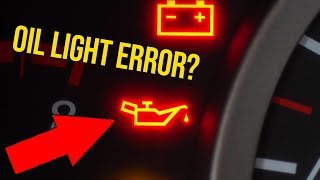
- Oil Light Flickering or Staying On: This is the most common symptom. If your oil level is correct and the engine sounds normal, the switch is the most likely culprit. It may flicker at idle or during turns before staying on permanently. 🎬 Watch: Troubleshooting a flickering oil light with a full reservoir.
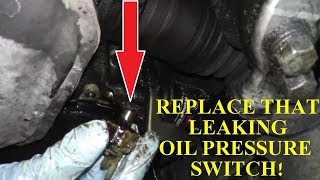
- Visible Oil Leak: The switch can develop leaks through its plastic housing or threads. Over time, the seal between the metal body and the plastic connector degrades, allowing oil to seep out. You might see oil on the switch itself, dripping onto the ground, or filling the electrical connector boot.
- Oil Light Never Comes On: A less common but dangerous failure is when the switch fails to activate the light. The light should always illuminate for a few seconds when you turn the key to the 'ON' position before starting the engine. If it doesn't, the switch or bulb may be bad.
Choosing the Right Aftermarket Oil Pressure Switch

For a simple part like an oil pressure switch on these older Civics, aftermarket options provide excellent value. There is little functional difference between a new OEM switch and a quality aftermarket one for this application. The key is to choose a reputable brand to ensure reliability.
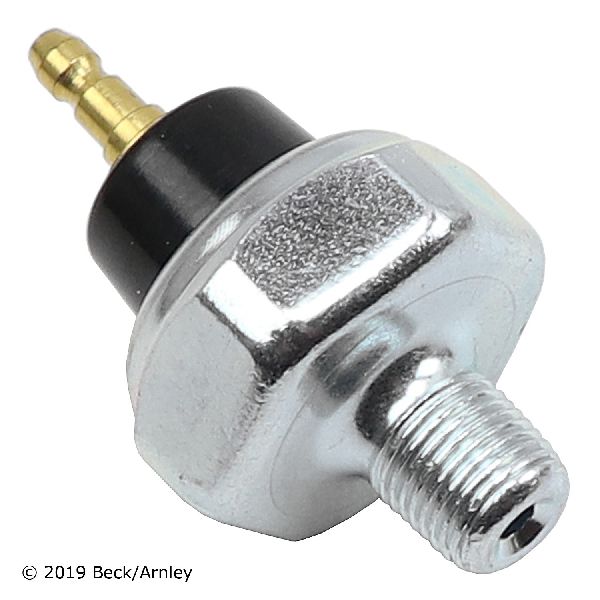
- Premium Aftermarket (e.g., Beck Arnley, Standard Motor Products, Facet): These brands have a strong reputation for quality. Beck Arnley is known for often sourcing parts from the original equipment manufacturers, meaning you might get an OEM-quality part in a different box. Standard Motor Products (SMP) and Facet are also long-standing, trusted names in the industry. These are your best bet for a fit-and-forget repair.
- Standard Aftermarket (e.g., Global Parts): These parts meet basic fit and function requirements and are a good budget-friendly option. While they may not have the same brand recognition as premium brands, they offer a cost-effective solution for this simple component.
Pro Tip: Check the VTEC Solenoid
On VTEC-equipped Civics (like the EX or Si models), the oil pressure switch is often located near or on the VTEC solenoid assembly. These solenoids also have gaskets that are a common source of oil leaks. While you're replacing the switch, inspect the VTEC solenoid gasket for any signs of leaking and replace it if necessary. Sometimes a leak blamed on the pressure switch is actually coming from the solenoid above it.
🎬 See this guide on replacing a leaking VTEC solenoid gasket.Cost of Replacing a Honda Civic Oil Pressure Switch (1984-2002)
| Part Type | Typical Cost |
|---|---|
| New Aftermarket Switch | $10 - $25 |
| New OEM (Dealer) Switch | $45 - $70 |
| Shop Labor | $50 - $100 |
| Total DIY Cost | $10 - $25 |
| Total Shop Cost | $60 - $125 |
Frequently Asked Questions

Where is the oil pressure switch located on my Civic?
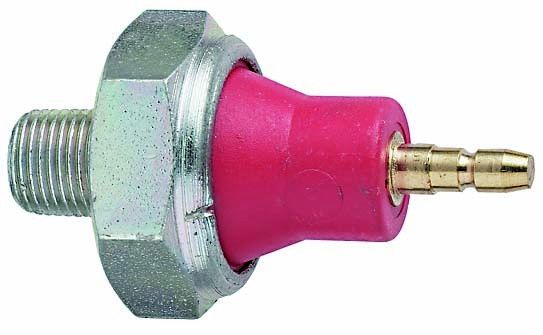
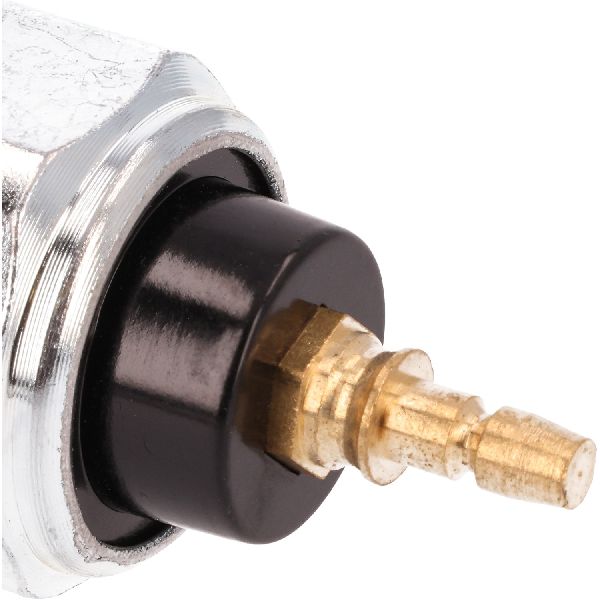
On most 1984-2002 Honda Civics, the oil pressure switch is located on the back of the engine block (the side facing the firewall), usually near the oil filter. It's a small, thumb-sized sensor with a single wire and a rubber boot connected to it. You may need to access it from underneath the car.
Is this a difficult repair to do myself?
No, this is a very beginner-friendly DIY repair. It typically requires only a deep 24mm socket, a ratchet, and possibly a new container of thread sealant. The entire job can usually be done in under 30 minutes once you locate the switch.
🎬 Watch: Step-by-step oil pressure switch replacement using basic hand tools.Do I need to use thread sealant on the new switch?
Yes, it is highly recommended. Use a liquid thread sealant or TFE paste on the threads of the new switch to prevent oil leaks. Do NOT use Teflon tape, as small pieces can break off and clog oil passages. Some new switches come with sealant already applied to the threads.
My oil light is on, but the oil level is full. Is it safe to drive?
No. You should not drive the vehicle. An illuminated oil pressure light indicates a potentially catastrophic failure, either with the sensor or the engine's lubrication system itself. Driving could lead to complete engine seizure. The only safe way to move the car is by towing.
Helpful Videos


Technical Specifications
OEM Part Numbers: 37240-PT0-014 37240-PT0-023 37250-PR3-003
Socket Size: Typically 24mm deep socket. Some aftermarket versions may differ. Thread: Single-pin connector.
We Have This Part in Stock


The information in this article is provided for general reference and educational purposes only. Vehicle specifications, procedures, and part compatibility can vary by production date, trim level, and region. Always consult your vehicle's factory service manual and verify part numbers before purchasing or performing repairs. Safety-critical components such as airbags, seat belts, and braking systems should be installed by a qualified professional.
- Honda Civic:
- 🎬 Helpful Videos
- 🛍️ Shop This Part
- Is Your Honda Civic Oil Light On? Don't Ignore It.
- What the Oil Light Really Means
- Symptoms of a Failing Oil Pressure Switch
- Choosing the Right Aftermarket Oil Pressure Switch
- Pro Tip: Check the VTEC Solenoid
- Cost of Replacing a Honda Civic Oil Pressure Switch (1984-2002)
- Frequently Asked Questions
- 🎟️ Get 5% Off