

Toyota 4Runner Engine Intake Manifold Gasket Guide (1984-2002)
Leaking coolant or a rough idle on your 1st, 2nd, or 3rd Gen 4Runner might point to a bad intake manifold gasket.
- Symptoms like a rough idle, hissing noise, or coolant loss on a V6 are strong indicators of a failing intake gasket.
- Verify your engine (2.4L 22RE, 3.0L 3VZE, or 3.4L 5VZ-FE) before ordering, as each requires a specific gasket set.
- Using high-quality OEM or premium aftermarket gaskets is highly recommended to ensure a durable, long-lasting seal.
- While the intake manifold is removed, inspect and consider replacing other wear items like the valve cover gaskets and nearby coolant hoses.
Is Your 4Runner's Intake Gasket Failing?
The intake manifold gaskets on the 22RE, 3VZE, and 5VZ-FE engines are durable, but they don't last forever. Over many years and miles, the gasket material can become hard, brittle, and cracked from constant heat cycles. This leads to leaks that can cause a range of problems, from annoying to severe. The most common failures are vacuum leaks from unmetered air entering the engine or coolant leaks.
Symptoms of a Bad Intake Manifold Gasket
- Rough or Unstable Idle: This is the most common sign. A vacuum leak allows extra air into the engine, confusing the computer and causing the idle to surge or become shaky.
- Hissing or Sucking Noises: You may hear a distinct hissing sound from the engine bay, which is the sound of air being sucked through a break in the gasket.
- Engine Overheating: On V6 models (3.0L and 3.4L), the intake gasket seals coolant passages. A leak can cause coolant loss, leading to overheating, which can cause severe engine damage if ignored.
- Visible Coolant Leaks: You might find coolant pooling in the engine valley (the 'V' between the cylinder heads) or see dried, crusty coolant residue on the manifold.
- Poor Performance and Fuel Economy: An incorrect air-fuel mixture from a vacuum leak makes the engine run inefficiently, hurting your gas mileage and causing hesitation when you accelerate.
- Check Engine Light: A vacuum leak will often trigger lean condition codes (like P0171) or random misfire codes (P0300).
Known Issues for 1984-2002 4Runners
There are no major recalls or Technical Service Bulletins (TSBs) for intake manifold gaskets on these 4Runner engines, which speaks to their reliability. Failures are almost always due to age and wear. On the 3.4L 5VZ-FE engine, be aware that a coolant bypass pipe located under the intake manifold can leak. This is sometimes misdiagnosed as a failed intake gasket. It's a smart move to inspect this pipe and its seals when you have the manifold off.
Choosing the Right Aftermarket Gasket Set
For these Toyota engines, using a quality gasket is crucial to avoid having to do the job twice. While OEM is often the safest choice, high-quality aftermarket brands offer a reliable alternative.
Brand Quality Tiers
- Tier 1 (OEM & Premium Aftermarket): Genuine Toyota gaskets are excellent and highly recommended by specialists. Brands like Beck Arnley and Victor Reinz (Reinz) focus on OE-quality materials and fitment, making them a top choice. They often use materials like multi-layer steel (MLS) or high-quality composites that match the original design.
- Tier 2 (Reputable Aftermarket): Brands like Apex and Fel-Pro offer a good balance of quality and value. They are a dependable choice for most repairs and are widely used by professional shops.
- Tier 3 (Economy): These are the most affordable options but may use lesser-quality materials. For a job like this that requires significant labor, saving a few dollars on the gasket itself is often not worth the risk of a premature failure.
OEM vs. Aftermarket for Your 4Runner
Toyota's original gaskets for the 22RE, 3VZE, and 5VZ-FE are very well-made. Many Toyota specialists recommend sticking with OEM or premium aftermarket brands like Beck Arnley or Reinz to ensure a perfect seal, especially around coolant passages. Avoid cheap, paper-style gaskets, as they are prone to leaking.
Cost of Replacing the Intake Manifold Gasket Set
The total cost depends on your 4Runner's engine and local labor rates. The job requires removing the upper intake plenum, fuel rail, and various hoses and sensors, making labor the largest expense.
| Part/Service | Estimated Cost |
|---|---|
| New Aftermarket Gasket Set | $20 - $193 |
| New OEM Gasket Set | $50 - $250 |
| Shop Labor | $300 - $700 |
| Total Estimated Cost | $320 - $950 |
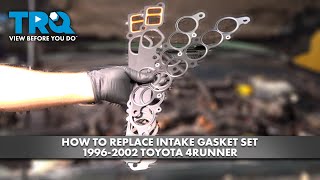
Note: Prices are estimates and can vary based on your vehicle's engine, your location, and the specific parts chosen. 🎬 Watch this step-by-step intake gasket replacement for 1996-2002 models. Shop labor is based on an estimated 3-6 hours of work.
Frequently Asked Questions
What else should I replace with the intake gaskets?
While the intake manifold is off, it's the perfect time to inspect and replace other parts. Consider replacing the valve cover gaskets if they are leaking, the PCV valve and grommet, any brittle vacuum hoses, and the coolant bypass hose on 3.4L V6 engines. Cleaning the throttle body and intake runners is also a good idea.
Do I need to use sealant on the new gaskets?
Generally, no. Modern gaskets are designed to be installed dry. Some specific points, like corners where engine blocks and heads meet, may require a small dab of FIPG (Form-in-Place Gasket) sealant, but you should always follow the specific instructions for your vehicle and gasket set. Applying sealant where it's not needed can cause the gasket to slip and fail.
Is this a different job for the 2.4L, 3.0L, and 3.4L engines?
Yes. While the general concept is the same, the intake manifold design and gasket shapes are unique to each engine (22RE, 3VZE, and 5VZ-FE). The V6 engines (3.0L and 3.4L) are more complex as the gaskets also seal coolant passages. Always ensure you are buying the gasket set specifically made for your engine.
How can I tell if it's a bad intake gasket or a head gasket?
Both can cause coolant loss and overheating. However, intake gasket leaks often cause vacuum leak symptoms (rough idle, hissing) first. A blown head gasket is more likely to cause significant white smoke from the exhaust (burning coolant), milky-looking oil from coolant contamination, or loss of compression. If you suspect a head gasket, a mechanic can perform a compression test or a chemical test on the coolant to check for exhaust gases.
Helpful Videos
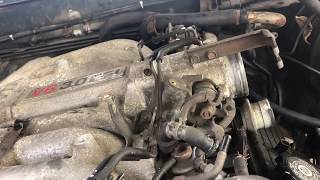

Technical Specifications
OEM Part Numbers: 17176-62040 (3.4L 5VZ-FE Upper/Plenum) 17177-62060 (3.4L 5VZ-FE Lower) 17176-65020 (3.0L 3VZE Upper/Plenum) 17177-65010 (3.0L 3VZE Lower) 17176-35020 (2.4L 22RE Upper/Plenum) 17177-35050 (2.4L 22RE Lower)
Gasket sets vary by engine. The 2.4L 22RE is an inline 4-cylinder. The 3.0L 3VZE and 3.4L 5VZ-FE are V6 engines. V6 kits include upper plenum gaskets and lower intake-to-head gaskets, which seal both air and coolant passages.
We Have This Part in Stock

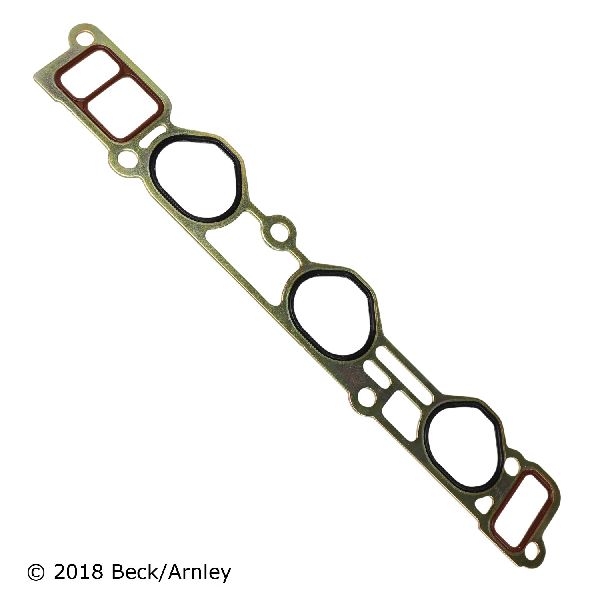
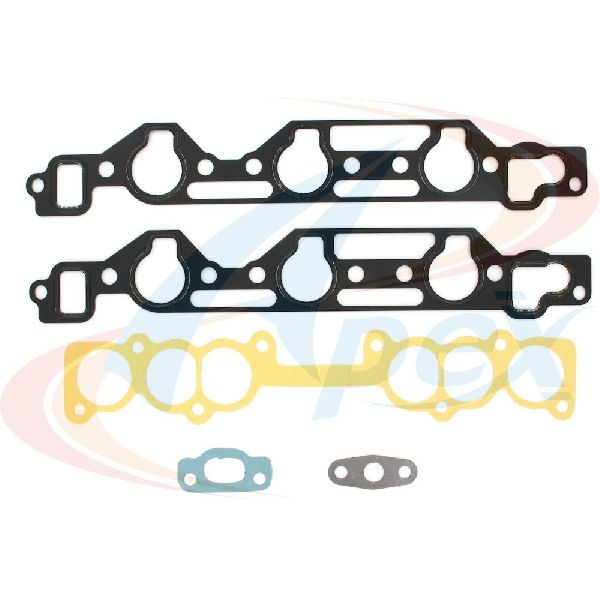

The information in this article is provided for general reference and educational purposes only. Vehicle specifications, procedures, and part compatibility can vary by production date, trim level, and region. Always consult your vehicle's factory service manual and verify part numbers before purchasing or performing repairs. Safety-critical components such as airbags, seat belts, and braking systems should be installed by a qualified professional.
- Toyota 4Runner:
- 🎬 Helpful Videos
- 🛍️ Shop This Part
- Is Your 4Runner's Intake Gasket Failing?
- Symptoms of a Bad Intake Manifold Gasket
- Known Issues for 1984-2002 4Runners
- Choosing the Right Aftermarket Gasket Set
- Brand Quality Tiers
- OEM vs. Aftermarket for Your 4Runner
- Cost of Replacing the Intake Manifold Gasket Set
- Frequently Asked Questions
- 🎟️ Get 5% Off