

Engine Coolant Temperature Sensor Guide for the 1985 Volvo 745
Understanding the key sensor that controls your classic Volvo's fuel and engine performance.
- The 1985 Volvo 745 has two temp sensors; the two-pin sensor under the intake manifold controls the engine's fuel mixture.
- Symptoms of failure include poor fuel economy, rough idle, and difficulty starting when the engine is warm.
- The job is DIY-friendly, but the sensor is in a tight spot under the intake manifold.
- Choosing a quality aftermarket brand like Facet or Standard Ignition is a reliable, cost-effective alternative to a genuine part.
Understanding the Role of the ECU Coolant Temperature Sensor
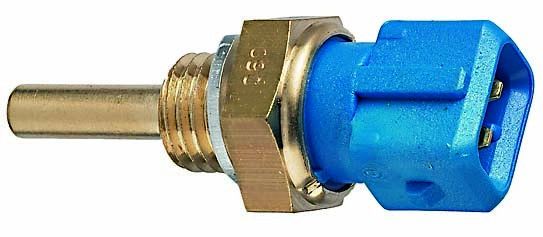
On the fuel-injected B230F "red block" engine in your 1985 745, the Engine Coolant Temperature (ECT) sensor is vital for proper performance. It uses the Bosch LH-Jetronic 2.2 fuel system, which relies heavily on this sensor's reading. A failing sensor can send incorrect information to the engine's computer, leading to a host of noticeable problems. This two-pin sensor is located on the cylinder head, underneath the intake manifold, making it a bit tricky to access. It is often blue in color. Don't confuse it with the single-pin sensor nearby, which only runs the dash gauge.
Symptoms of a Failing ECT Sensor
When the ECT sensor starts to fail, your Volvo's computer can get confused. If it fails in a "cold" state, the computer will always think the engine is cold, leading to a rich fuel mixture. If it fails "hot," it can cause difficult starting when the engine is actually cold. Common symptoms include:
- Poor Fuel Economy: The most common symptom. The engine runs rich, wasting gas.
- Hard Starting (Hot or Cold): Difficulty starting the car after it has been sitting for 15-60 minutes is a classic sign.
- Rough or Hunting Idle: The engine idle may fluctuate up and down as the computer struggles to find the right mixture.
- Check Engine Light: Your 1985 model has a basic diagnostic system that can trigger a fault code (Code 1-2-3) for the coolant sensor.
- Black Smoke from Exhaust: A sign of unburnt fuel from an overly rich mixture.
A Note on the Check Engine Light
A Check Engine Light with code 1-2-3 points to the coolant temperature sensor circuit. While this often means the sensor itself is bad, it can also be caused by a faulty thermostat that isn't letting the engine warm up properly. It's also wise to check the wiring and connector for corrosion or damage, as this is a common point of failure.
Choosing the Right Aftermarket Sensor
For a classic vehicle like the 1985 745, you don't need to hunt down an expensive Genuine Volvo part. Quality aftermarket brands provide reliable performance. The original sensor was often a Bosch or VDO unit, so choosing a replacement from a reputable European parts manufacturer is a safe bet. Based on brand reputation and owner feedback, here is a general guide:
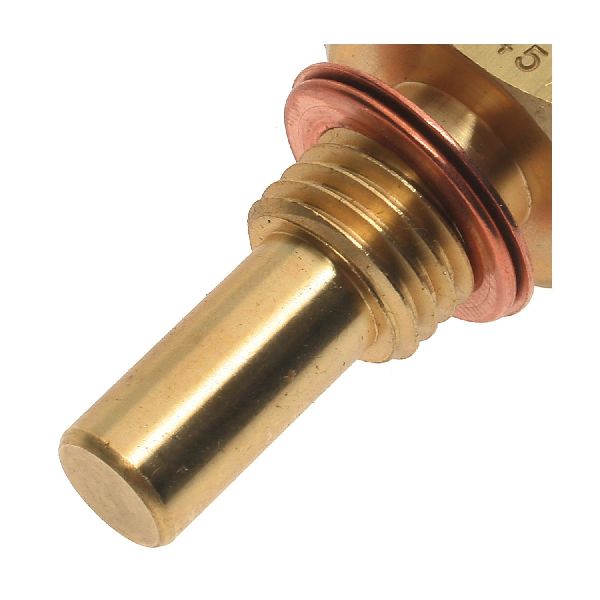
- Tier 1 (High-Quality Aftermarket): Brands like Facet have a long history of making quality sensors for European cars. Standard Ignition (SMP) is another well-regarded brand known for a good balance of quality and value. These are solid choices for reliability.
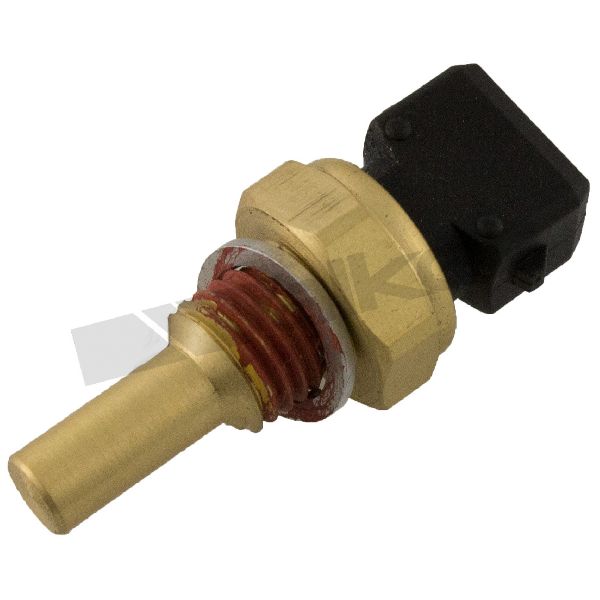
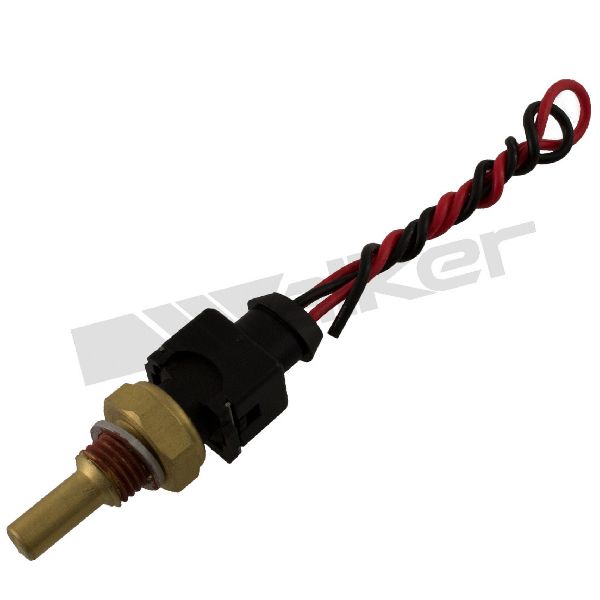
- Tier 2 (Value-Oriented): Brands like Walker Products and True Tech offer a more budget-friendly option. While often perfectly functional, some owners report that cheaper, lesser-known sensors can have a shorter lifespan or cause subtle running issues compared to more established brands.
Pro Tip: Many Volvo owners recommend spending a few extra dollars for a known brand like Bosch, Facet, or Standard Ignition to avoid the hassle of replacing a cheap sensor that fails prematurely. The labor to access the sensor is the same regardless of the part's cost.
Cost to Replace the Engine Coolant Temperature Sensor
The cost is relatively low, with the part itself being inexpensive. The main cost driver if you use a mechanic is the labor to access the part under the intake manifold.
| Item | Estimated Cost |
|---|---|
| New Aftermarket ECT Sensor | $24.60 - $39.75 |
| Shop Labor | $90 - $150 |
| Total Estimated Cost (Shop) | $115 - $190 |
| Total Estimated Cost (DIY) | $25 - $40 |
Frequently Asked Questions (FAQ)
Where is the ECT sensor located on my 1985 Volvo 745?
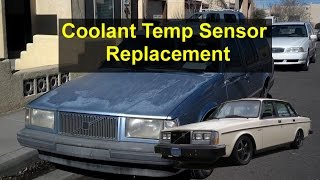
The engine coolant temperature sensor for the ECU is located on the driver's side of the engine block, underneath the intake manifold. 🎬 See exactly where the sensor is located and how to reach it. It is typically found below the #3 intake runner. It has a two-pin electrical connector.
Is it difficult to replace the ECT sensor myself?
It is a DIY-feasible job for someone with basic mechanical skills. The main challenge is reaching the sensor's location under the intake manifold. You may need to move the idle air control valve or other small components out of the way for better access. The job can take 30 to 60 minutes.
🎬 Watch this step-by-step guide to replacing your red block ECT sensor.Do I need to drain the coolant to replace the sensor?
You will lose a small amount of coolant when you unscrew the old sensor. To minimize loss, you can have the new sensor ready to screw in quickly. Some mechanics create a vacuum in the system by squeezing the upper radiator hose and tightening the expansion tank cap, but this is not strictly necessary for a quick swap. It's a good idea to have some extra coolant on hand to top off the system afterward.
My temperature gauge on the dash works fine. Can the ECT sensor still be bad?
Yes. The 1985 Volvo 745 uses two separate sensors. One sensor with a single wire sends a signal to the dashboard temperature gauge, while a second, two-wire sensor sends a signal to the engine computer (ECU). The sensor for the ECU can fail even if your dash gauge appears to be working correctly.
Helpful Videos
Technical Specifications
OEM Part Numbers: 1338444 13621284397 1362645
Connector: 2-pin, rectangular. Location: Under intake manifold, typically below #3 cylinder runner.
We Have This Part in Stock


The information in this article is provided for general reference and educational purposes only. Vehicle specifications, procedures, and part compatibility can vary by production date, trim level, and region. Always consult your vehicle's factory service manual and verify part numbers before purchasing or performing repairs. Safety-critical components such as airbags, seat belts, and braking systems should be installed by a qualified professional.
- Volvo 745:
- 🎬 Helpful Videos
- 🛍️ Shop This Part
- Understanding the Role of the ECU Coolant Temperature Sensor
- Symptoms of a Failing ECT Sensor
- A Note on the Check Engine Light
- Choosing the Right Aftermarket Sensor
- Cost to Replace the Engine Coolant Temperature Sensor
- Frequently Asked Questions (FAQ)
- 🎟️ Get 5% Off