

1985-1992 Mazda 626 Engine Coolant Bypass Hose: A Replacement Guide
Address coolant leaks and prevent overheating by understanding the function and failure signs of the bypass hose on your Mazda 626.
- A leaking coolant bypass hose can lead to critical engine overheating; do not drive if the temperature gauge is in the red.
- Symptoms include visible leaks, a sweet coolant smell, and a constantly low coolant level.
- High-quality aftermarket brands like Gates and Continental are excellent, reliable alternatives to OEM parts.
- If one coolant hose has failed due to age, it is wise to replace the radiator and heater hoses at the same time.
Signs of a Failing Engine Coolant Bypass Hose
On a vehicle like the 1985-1992 Mazda 626, rubber components like coolant hoses degrade over time due to heat and exposure to chemicals. A failing bypass hose will show clear signs that a problem is developing.
- Coolant Leaks: This is the most obvious symptom. You might see small drips or a steady stream of green, yellow, or pink fluid under your car. A small leak might just appear as dried, crusty residue on the hose or nearby engine parts.
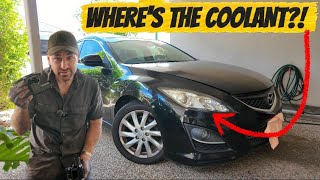
- Low Coolant Level: If you have to add coolant to the reservoir frequently, you likely have a leak somewhere in the system, and the bypass hose is a common culprit. 🎬 Watch: A real-world example of diagnosing a Mazda coolant leak
- Sweet Smell: Leaking coolant will evaporate on a hot engine, producing a distinct sweet smell in the engine bay.
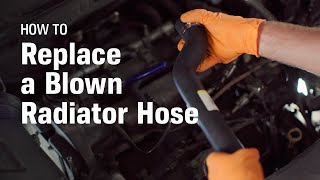
- Engine Overheating: A significant leak from the bypass hose will lead to a loss of coolant and cause your engine's temperature gauge to climb into the red. Continuing to drive an overheating engine can cause catastrophic damage. 🎬 Watch: Troubleshooting other common causes for an overheating Mazda 626
- Visible Hose Damage: Inspect the hose itself. If it feels spongy, brittle, or looks swollen, cracked, or bulging, it needs to be replaced immediately.
Choosing the Right Aftermarket Bypass Hose
For a vehicle of this age, finding an original equipment (OEM) hose from a Mazda dealer might be difficult. Fortunately, reputable aftermarket brands offer high-quality replacements that often meet or exceed original specifications.
Brand Quality Tiers
| Brand | Quality Assessment |
|---|---|
| Continental / Gates | These are top-tier aftermarket brands known for producing OEM-quality rubber products. Both Gates and Continental hoses are engineered to resist electrochemical degradation, which is a leading cause of internal hose failure. Forum users and mechanics widely trust these brands for their reliable fit and durability. You can install a hose from either brand with confidence. |
| OEM (Original Equipment Manufacturer) | If you can find one, a genuine Mazda hose is guaranteed to fit perfectly. However, the rubber will be of the same age as any other new-old-stock part. For a simple component like a hose, a freshly manufactured part from a top brand like Gates or Continental is often a better choice. |
A Note on "White Box" Parts
Avoid unbranded, generic "white box" hoses. While the low price is tempting, these parts often use inferior materials that can lead to premature failure, poor fitment, and a repeat repair job.
Known Issues, Recalls, or TSBs
Searches for official recalls or Technical Service Bulletins (TSBs) from Mazda or the NHTSA related to the engine coolant bypass hose for the 1985-1992 Mazda 626 did not yield any specific results. Failures of this part are typically due to normal aging of the rubber rather than a specific manufacturing defect.
Frequently Asked Questions (FAQ)
Can I drive my Mazda 626 with a leaking bypass hose?
It is not recommended. A small leak can quickly turn into a major failure, causing a rapid loss of coolant and leading to engine overheating. This can result in severe and expensive engine damage, such as a warped cylinder head or blown head gasket.
How much does it cost to replace the bypass hose?
The aftermarket part itself is affordable, typically costing between $20 and $71. If you have a mechanic perform the work, expect to pay between $120 and $240 for labor, depending on your location and how difficult the hose is to access.
Is this a difficult DIY job?
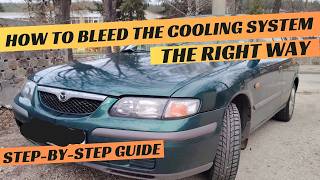
For a mechanically inclined owner with the right tools, this is often a feasible DIY repair. The main challenge is usually access to the hose clamps. The process involves draining some coolant, removing the old hose, installing the new one, and then refilling and bleeding the air from the cooling system. 🎬 See how to properly refill and bleed your Mazda 626 Some bypass hoses can be in tight spots, such as under the intake manifold, which would make the job much more difficult.
Should I replace other coolant hoses at the same time?
Yes. It is highly recommended. If the bypass hose has failed due to age, the radiator hoses and heater hoses are likely in similar condition. Replacing all of them at once is a smart preventative measure that can save you from another breakdown in the near future.
Helpful Videos
Technical Specifications
OEM Part Numbers: B61P-15-261A
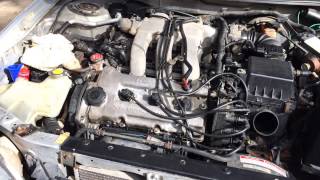
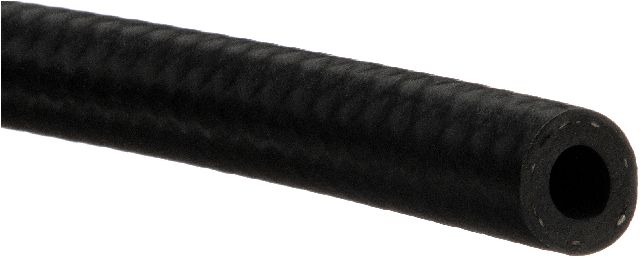
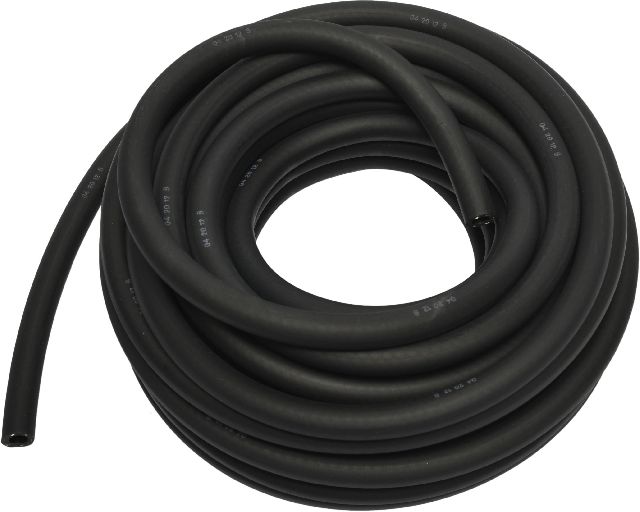
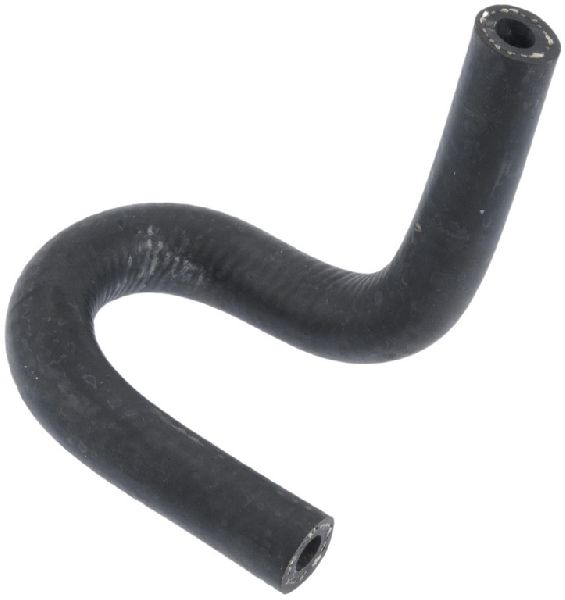
The Engine Coolant Bypass Hose is a molded rubber hose, typically made of EPDM material to resist heat and chemical degradation. It connects different points of the engine's cooling circuit, often near the thermostat housing or water pump.
We Have This Part in Stock

The information in this article is provided for general reference and educational purposes only. Vehicle specifications, procedures, and part compatibility can vary by production date, trim level, and region. Always consult your vehicle's factory service manual and verify part numbers before purchasing or performing repairs. Safety-critical components such as airbags, seat belts, and braking systems should be installed by a qualified professional.
- Mazda 626: