

Spark Plug Wire Set Guide for 1985-1993 Honda Accord
Everything you need to know before replacing the spark plug wires on your 3rd or 4th generation Accord.
- For best results and fit, choose OEM-equivalent brands like NGK or Denso for your Accord.
- Always replace spark plug wires as a complete set, not just one at a time.
- When replacing wires, inspect for oil in the spark plug tubes, which indicates a leaking valve cover gasket that should also be replaced.
- Replace wires one by one to ensure the new wire of the correct length is routed to the correct cylinder.
Signs of Failing Spark Plug Wires
When spark plug wires start to go bad on your Accord, they usually don't fail all at once. You'll notice your engine's performance getting worse over time. These wires live in a hot, vibrating engine bay, and with age, their insulation can crack, or the internal conductor can break down. Oil leaks from the valve cover gasket are a common issue on older Hondas, and this oil can drip onto the wire boots, causing them to swell and fail.
Common symptoms include:
- Rough Idling: The engine may shake or vibrate more than usual when you're stopped.
- Engine Misfires: You might feel a stutter or hesitation from the engine, especially when you're accelerating. This happens because a wire isn't delivering a consistent spark.
- Trouble Starting: A weak spark can make the engine harder to start, especially in cold or damp weather.
- Poor Fuel Economy: If the fuel isn't burning completely in the cylinders due to weak spark, your gas mileage will suffer.
- Check Engine Light: On 1990-1993 models with basic on-board diagnostics, a persistent misfire can sometimes trigger the check engine light.
Choosing the Right Aftermarket Wires
For a 1985-1993 Honda Accord, you don't need to buy the most expensive performance wires. The key is to choose a quality set that meets or exceeds the original factory (OEM) specifications. For Honda, the original suppliers are typically NGK and Denso, making them the most trusted choices for a direct replacement.
Brand Quality Tiers
| Tier | Brands | Description |
|---|---|---|
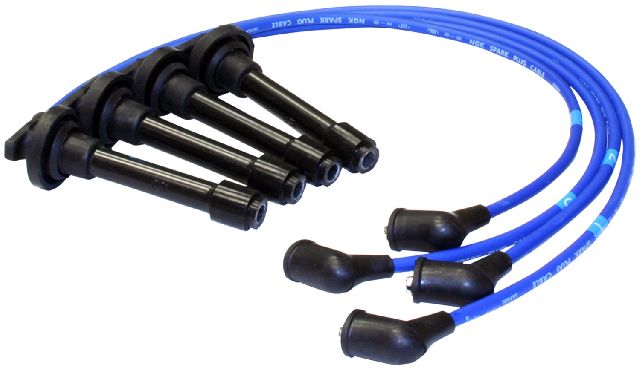
| OEM-Equivalent | NGK, Denso | These brands are original equipment suppliers for Honda. Choosing NGK or Denso is the safest bet for a perfect fit and reliable, long-lasting performance that's just like the factory parts. They are highly recommended in owner forums. |
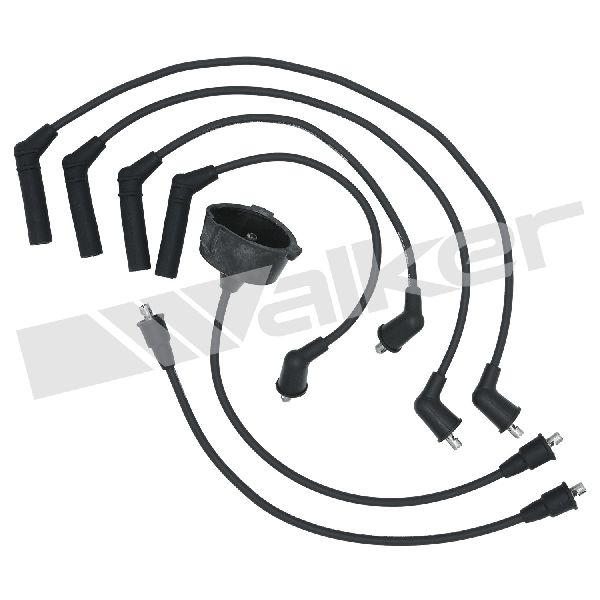
| Quality Aftermarket | Standard Motor Products (SMP), Walker Products, Karlyn STI | These brands offer a good balance of quality and price. They build wires to meet or exceed OEM specs, often using similar materials like silicone jackets and suppression cores to prevent radio noise. Walker and Karlyn both emphasize their quality control and use of durable materials. |
| Performance | Granatelli | Granatelli wires are built for high-performance applications, boasting near-zero resistance for maximum spark energy. While they claim performance gains, this is typically for highly modified or racing engines. For a stock daily-driven Accord, these are likely unnecessary and may not provide a noticeable difference over OEM-equivalent wires. |
Pro Tip: When replacing wires, also inspect your spark plugs, distributor cap, and rotor. 🎬 See how to inspect and replace the distributor cap and rotor. These parts wear together. A common issue on these Accords is oil leaking into the spark plug tubes from old valve cover seals. If you see oil on the wire boots, you should replace the seals to prevent damaging your new wires.
Known Issues, Recalls, and Bulletins
For vehicles of this age (1985-1993), there are no active recalls or specific Technical Service Bulletins (TSBs) from Honda related to spark plug wires. Most issues are simply due to age, heat, and wear. The most frequently mentioned problem in owner forums is the boots becoming swollen and loose due to oil contamination from leaking valve cover gaskets. Another common issue is the wire's terminal not 'clicking' securely onto the spark plug, which can be caused by worn-out terminals on old wires or combustion pressure pushing an unsecured wire off.
Frequently Asked Questions (FAQ)
How often should I replace my spark plug wires?
There's no exact interval, but a good rule of thumb is to inspect them every 30,000 miles and consider replacement every 60,000 to 100,000 miles, or whenever you replace your spark plugs. 🎬 Watch this complete walkthrough for replacing both plugs and wires. If they are original, they are long overdue for replacement.
Can I just replace the one bad wire?
It's highly recommended to replace the wires as a complete set. They are all the same age and have been exposed to the same conditions. If one has failed, the others are likely not far behind. Replacing them all at once ensures a balanced and reliable ignition system.
What do the numbers on the wires mean?
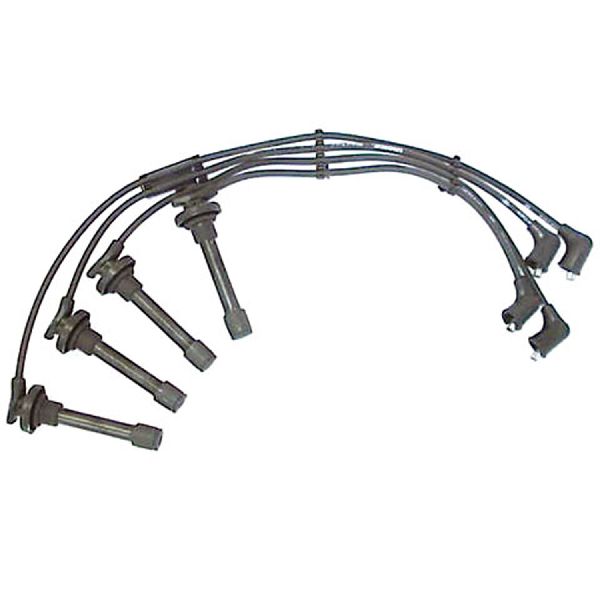
The wires in a set are different lengths to reach from the distributor to each specific cylinder. They are often numbered to match the corresponding cylinder (e.g., 1, 2, 3, 4). This helps ensure you connect them correctly. Always replace them one at a time to avoid mixing them up.
🎬 Watch a quick guide on how to install new wires correctly.What is that grease packet included with the new wires?
That is dielectric grease. A small amount should be applied to the inside of the boots at both ends. It is not electrically conductive; instead, it helps seal the boot, prevents moisture, and makes it easier to remove the wires in the future.
Helpful Videos
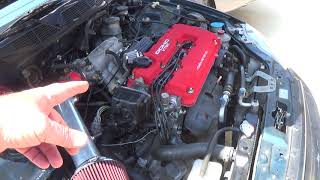
Technical Specifications
OEM Part Numbers: 32700-PAA-A01 32702-PAA-A01
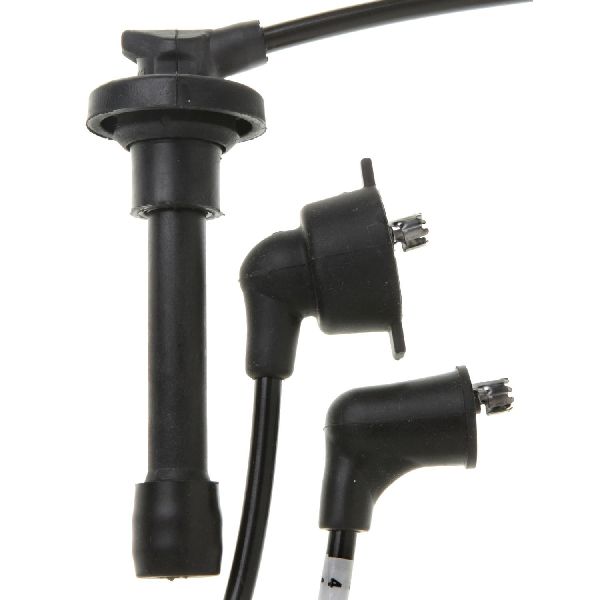
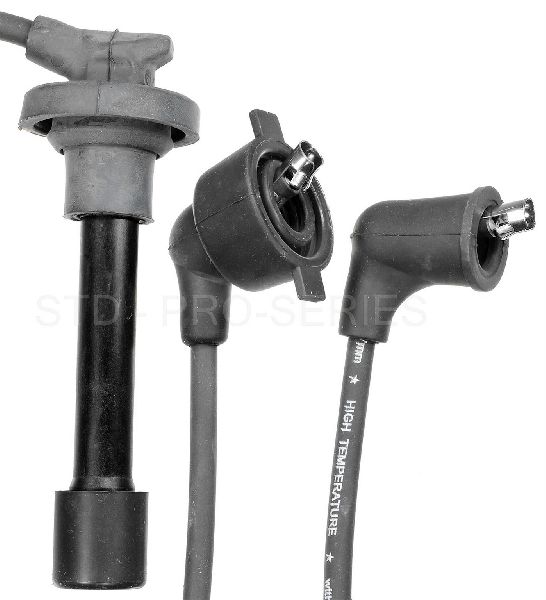
The 1985-1993 Honda Accord uses a 4-cylinder engine with a distributor-based ignition system. The spark plug wire set consists of four wires of varying lengths to connect the distributor cap to each of the four spark plugs, plus a fifth, shorter wire to connect the ignition coil to the distributor cap. Wires are typically made with a magnetic suppression core to prevent radio frequency interference (RFI).
We Have This Part in Stock

The information in this article is provided for general reference and educational purposes only. Vehicle specifications, procedures, and part compatibility can vary by production date, trim level, and region. Always consult your vehicle's factory service manual and verify part numbers before purchasing or performing repairs. Safety-critical components such as airbags, seat belts, and braking systems should be installed by a qualified professional.
- Honda Accord: