

A Comprehensive Guide to the 1985-1994 Nissan Maxima Power Steering Pump
If your Maxima's steering is getting noisy or stiff, it might be time for a new power steering pump.
- You MUST verify your Maxima's generation before ordering; the pumps for 1985-1988 and 1989-1994 are different.
- New aftermarket pumps are generally a more reliable choice than remanufactured units, which have a mixed reputation for quality.
- Always flush the entire power steering system with fresh Dexron-type ATF to remove contaminants before installing a new pump.
- A leaking pump can damage other parts, like the control arm bushing, so it's important to fix it promptly.
Is Your Maxima's Power Steering Pump Failing?
A failing power steering pump rarely dies without warning. For 1985-1994 Maxima owners, the signs are usually obvious and shouldn't be ignored. Catching the problem early can prevent more damage to the steering system.
Common Symptoms of a Bad Pump:
- Whining or Groaning Noises: The most common sign is a whining sound that gets louder when you turn the steering wheel and changes pitch with engine RPM. This is often caused by low fluid or air in the system, but can also mean the pump's internal parts are worn out.
- Stiff Steering: If turning the wheel, especially at low speeds or when parking, suddenly requires a lot of effort, the pump is likely not producing enough pressure.
- Fluid Leaks: Finding reddish or light brown fluid puddles under the front of your car is a clear sign of a leak. On the Maxima, a leaking pump can drip onto the lower control arm bushing, causing it to fail prematurely.
- Jerky or Slow Response: If the steering wheel feels like it's catching or responding slowly, it can be due to inconsistent pressure from a dying pump.
Choosing the Right Aftermarket Pump for Your Maxima
For a vehicle as old as the 1985-1994 Maxima, finding a brand-new OEM (Original Equipment Manufacturer) power steering pump from Nissan is nearly impossible, as they have been discontinued. Even if you could find one, the cost would be extremely high. This makes aftermarket parts the only realistic choice for most owners.
Critical: Know Your Maxima's Generation!
The power steering pump is NOT the same for all 1985-1994 Maximas. There was a change between the 2nd and 3rd generation. Ordering the wrong part is a common and frustrating mistake. Always verify the part number before purchasing.
- 1985-1988 Maxima (2nd Gen): Uses a pump with a 17-spline shaft, corresponding to OEM part number 49110-16E00.
- 1989-1994 Maxima (3rd Gen): Uses a different pump, corresponding to OEM part number 49110-85E00.
New Aftermarket vs. Remanufactured: An Honest Look
You will find two types of aftermarket pumps: new and remanufactured.
- New Aftermarket (e.g., Mapco): These are brand-new parts built to mimic the original specifications. Brands like Mapco are established in the European market and offer a new part alternative. Generally, a new part is a safer bet for reliability and longevity, as all components are fresh from the factory.
- Remanufactured (e.g., Cardone): These are original OEM pump cores that have been rebuilt with new seals, bearings, and other wear items. Cardone is a very common brand, but owner reviews are extremely mixed. While some have no issues, many report premature leaks, noise, and failures, sometimes requiring multiple warranty replacements to get a good unit.
Pro Tip: Given the labor involved, spending slightly more on a new aftermarket pump over a remanufactured one can save you from having to do the job twice. If you choose a remanufactured pump, be aware of the potential for quality issues.
Expected Replacement Costs
The total cost depends on whether you do the work yourself or hire a professional mechanic.
| Part / Service | Estimated Cost | Notes |
|---|---|---|
| New Aftermarket Pump | $161 - $186 | This is the typical price range for a new, non-OEM pump. |
| Remanufactured Pump | $80 - $150 | Often requires a "core charge" that is refunded when you return your old pump. |
| Shop Labor | $150 - $225 | Most shops will charge for 1.5-2.5 hours of labor. |
| Total Professional Job | $310 - $410+ | Using a new aftermarket part. |
| New OEM Pump | $800+ (If found) | Largely unavailable and not cost-effective. |
Frequently Asked Questions (FAQ)
What kind of power steering fluid should I use in my 1985-1994 Maxima?
This generation of Nissan Maxima typically uses Dexron II or Dexron III type Automatic Transmission Fluid (ATF) as power steering fluid, which is usually red in color. Always check your owner's manual to be certain, but do not use modern "universal" or synthetic power steering fluids unless they explicitly state they are compatible with Dexron ATF systems.
Can I replace the power steering pump myself?
For a home mechanic with experience, this is a manageable job. It requires removing the passenger-side front wheel for access, loosening the belt tensioner, removing the drive belt, and working in a somewhat tight space to unbolt the pump and its fluid lines. If you are not comfortable with bleeding a hydraulic system or setting belt tension, it's best to leave this to a professional.
What is a "core charge"?
A core charge is a deposit you pay when buying a remanufactured part. The "core" is your old, failed part. The charge is refunded to you when you return your old pump to the store, as the rebuilders need these old parts to remanufacture for the next customer.
Should I flush the system when I replace the pump?
Yes, absolutely. If the old pump failed, it may have sent metal shavings or other debris into the fluid. Simply replacing the pump without flushing the old, contaminated fluid out of the lines and steering rack can cause your new pump to fail very quickly. Use fresh, clean fluid to flush the system before completing the installation.
Technical Specifications
OEM Part Numbers: 49110-16E00 (Fits 1985-1988) 49110-85E00 (Fits 1989-1994)
System uses a V-belt driven hydraulic pump. The correct fluid type is typically Dexron II/III Automatic Transmission Fluid (ATF). The system operates under high pressure and should be serviced carefully.
We Have This Part in Stock
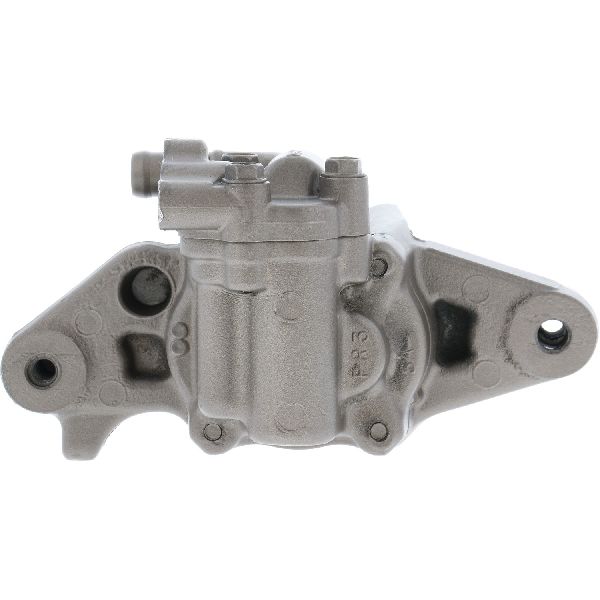
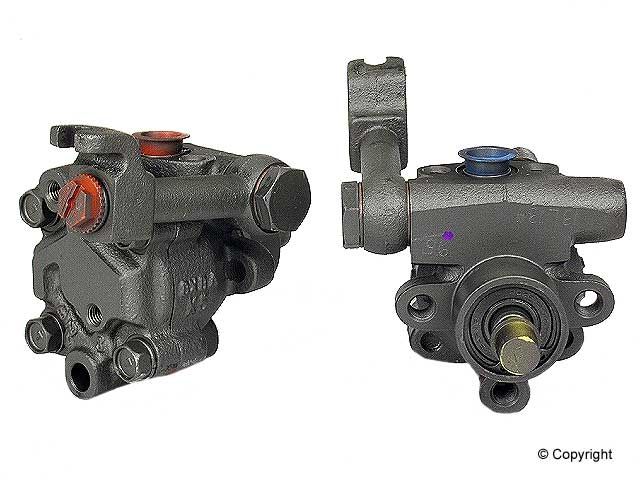


The information in this article is provided for general reference and educational purposes only. Vehicle specifications, procedures, and part compatibility can vary by production date, trim level, and region. Always consult your vehicle's factory service manual and verify part numbers before purchasing or performing repairs. Safety-critical components such as airbags, seat belts, and braking systems should be installed by a qualified professional.
- Nissan Maxima:
- 🛍️ Shop This Part
- Is Your Maxima's Power Steering Pump Failing?
- Common Symptoms of a Bad Pump:
- Choosing the Right Aftermarket Pump for Your Maxima
- Critical: Know Your Maxima's Generation!
- New Aftermarket vs. Remanufactured: An Honest Look
- Expected Replacement Costs
- Frequently Asked Questions (FAQ)
- 🎟️ Get 5% Off