

Toyota MR2 Engine Coolant Bypass Hose: A Vehicle-Specific Guide (1985-1995)
Everything an AW11 and SW20 owner needs to know before replacing a coolant bypass hose.
- The MR2's mid-engine design makes its cooling system complex and prone to airlocks; proper bleeding after any hose replacement is critical.
- SW20 Turbo owners must be aware of the "Hose from Hell," a bypass hose whose replacement is extremely labor-intensive and costly.
- Due to the age of the vehicle, if one rubber hose fails, others are likely degraded. Consider replacing hoses in sets or with a full silicone kit for reliability.
- Symptoms like a sweet smell, low coolant, or a bouncing idle are early warnings that should be investigated immediately to prevent critical engine overheating.
Signs of a Failing Coolant Bypass Hose in Your MR2
A failing coolant bypass hose on a 1985-1995 Toyota MR2 will show several warning signs. Because these cars are now classics, their original rubber hoses are at an age where failure is common. Catching the symptoms early can prevent catastrophic engine damage from overheating.
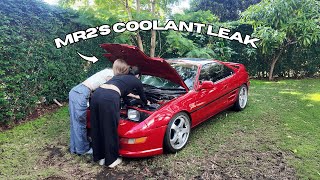
- Coolant Puddles or Drips: The most obvious sign is seeing green, pink, or orange fluid under your engine bay. A small drip can quickly turn into a major leak.
- Sweet Smell: You may smell a distinct sweet odor from the engine bay, which is the scent of burning ethylene glycol coolant. This can happen even with a small leak that evaporates before it drips to the ground.
- Engine Overheating: If a bypass hose fails, you will lose coolant, leading to the temperature gauge climbing into the red. The MR2's engine is sensitive to overheating, and severe damage can occur quickly.
- Low Coolant Level: Regularly checking your coolant overflow tank is crucial. If you constantly need to add fluid, you have a leak somewhere in the system.
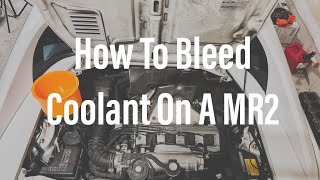
- "Bouncing" Idle: The MR2's cooling system is notoriously difficult to bleed. A leak can introduce air, causing false readings at the coolant temperature sensor and resulting in an unstable or "bouncing" idle, especially when the engine is cold. 🎬 See how to properly bleed the system to fix idle issues.
The "Hose From Hell" (HFH) on SW20 Turbo Models
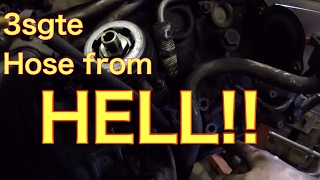
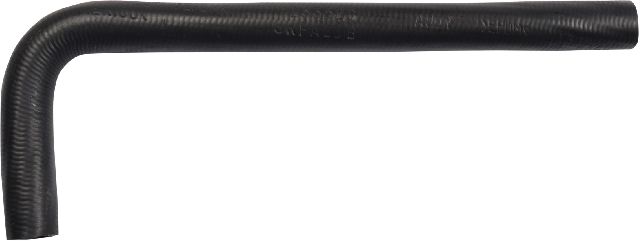
If you own a 1990-1995 MR2 Turbo (3S-GTE engine), be aware of a specific coolant bypass hose nicknamed the "Hose From Hell." It is located in a very tight spot behind the turbo and next to the oil cooler. It is exposed to extreme heat, causing it to fail over time. Symptoms are often a slow, hard-to-find leak or steam coming from deep in the engine bay. Replacing it is extremely labor-intensive and often requires removing the turbo or the entire engine. 🎬 Watch: This guide shows how to replace the Hose From Hell. If your engine is out for any other service, it is highly recommended to replace this hose as a preventative measure.
Choosing the Right Aftermarket Bypass Hose
When your original hose fails, you have a choice between standard rubber replacements and upgraded silicone versions. Given the age of the MR2, many owners opt for upgrades.
Aftermarket Brand Tiers
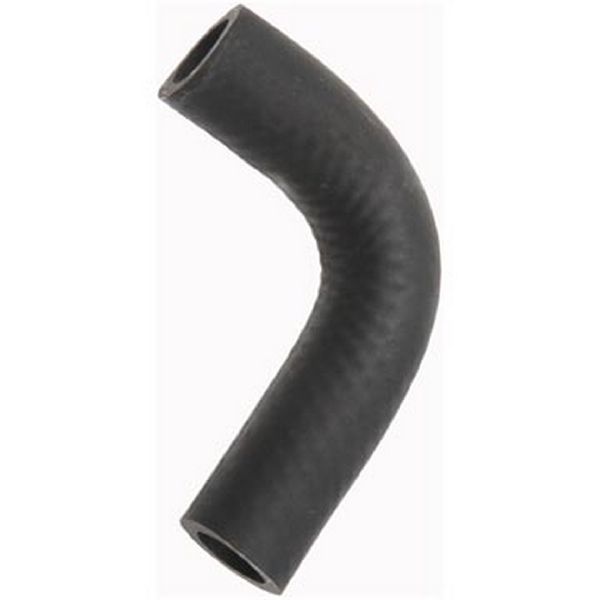
For a direct, single-hose replacement, brands like Gates, Dayco, and Continental are reliable choices. They are all established manufacturers that often supply original parts to automakers.
- Gates: Often highly recommended by mechanics for hoses and belts. They offer direct-fit and cut-to-fit options for the MR2.
- Dayco: A solid and widely available brand. Their hoses are considered good quality and are a dependable choice for a standard replacement.
- Continental: Another major OEM supplier with a strong reputation. Their hoses meet or exceed OEM specifications.
Pro Tip: For the MR2, especially if you are refreshing the cooling system, consider a full silicone hose kit. These kits replace multiple aging hoses at once with a material that better resists heat, pressure, and oil degradation compared to standard EPDM rubber. While more expensive upfront, they provide long-term reliability, which is critical for a mid-engine car with complex cooling.
Estimated Cost for Replacement
The cost to replace a coolant bypass hose varies dramatically based on which hose has failed and the labor required to access it.
| Part Type | Estimated Cost |
|---|---|
| Single Aftermarket Hose (Gates, Dayco, etc.) | $11 - $82 |
| Shop Labor | $150 - $1,500+ |
Note: Labor costs are highly variable. A simple, accessible hose might take an hour to replace, while the "Hose From Hell" on a turbo model could require 10+ hours of labor if the engine must be removed.
Frequently Asked Questions
Are the bypass hoses the same for the AW11 and SW20 MR2?
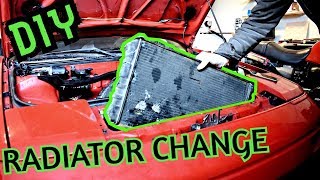
No. The first-generation AW11 (1985-1989) with the 4A-GE or 4A-GZE engine has a different set of hoses than the second-generation SW20 (1990-1995) with the 5S-FE, 3S-GE, or 3S-GTE engine. Always verify the part fits your specific year 🎬 Watch: Step-by-step radiator replacement for the first-generation AW11 MR2. and engine type.
Can I replace just one failed hose?
Yes, but it's often not the best strategy. Rubber hoses degrade with age and heat cycles. If one hose has failed, others are likely near the end of their service life. It is wise to inspect all coolant hoses and consider replacing them in sets or with a complete engine kit to prevent future failures.
Why is bleeding the coolant so important on an MR2?
The MR2's cooling system has long pipes running from the engine to the front radiator, creating many high points where air can get trapped. Trapped air can cause airlocks, preventing proper coolant circulation and leading to dangerous overheating, even if the system is full of coolant. There are multiple bleed valves on the system that must be used in a specific sequence to properly remove all air.
Are there any recalls for the MR2 coolant bypass hose?
No, there have been no official safety recalls issued by the NHTSA for the cooling system or its hoses on any 1985-1995 Toyota MR2.
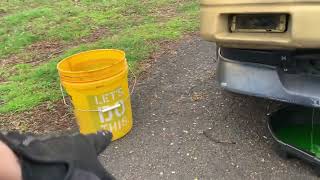
Helpful Videos


Technical Specifications
OEM Part Numbers: 16281-88461
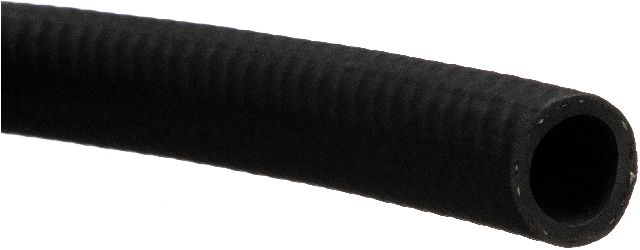
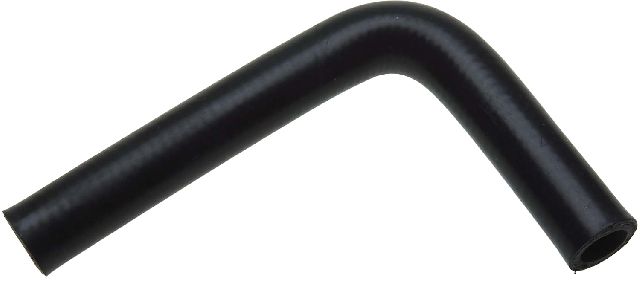
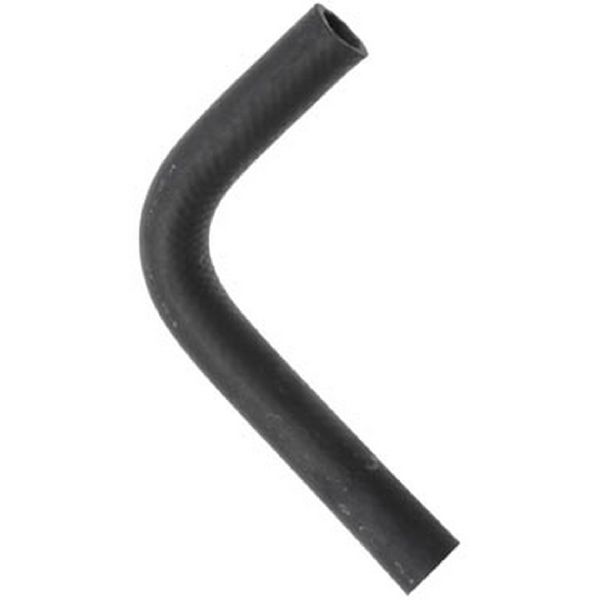
Varies by engine (4A-GE, 4A-GZE, 5S-FE, 3S-GE, 3S-GTE) and specific hose location. Common aftermarket materials are EPDM rubber and reinforced silicone. Diameters typically around 5/8" (16mm).
We Have This Part in Stock


The information in this article is provided for general reference and educational purposes only. Vehicle specifications, procedures, and part compatibility can vary by production date, trim level, and region. Always consult your vehicle's factory service manual and verify part numbers before purchasing or performing repairs. Safety-critical components such as airbags, seat belts, and braking systems should be installed by a qualified professional.
- Toyota MR2: