

Toyota MR2 Engine Coolant Temperature Sensor Guide (1985-1995)
A complete guide to the engine coolant temperature sensor for first and second generation Toyota MR2s.
- Verify if you need the ECU sensor (for engine performance) or the gauge sender (for the dashboard gauge), as they are different parts.
- Symptoms of a bad ECU sensor include poor fuel economy, black smoke, rough idle, and potential overheating.
- For this critical part, choosing a reputable aftermarket brand like Beck Arnley, Delphi, or NGK is a safer choice over budget options.
- The replacement is straightforward for a DIY mechanic, but requires partially draining the coolant system.
Understanding the MR2's Temperature Sensors

For 1985-1995 Toyota MR2s, it is critical to know there are multiple temperature sensors that are often confused with one another. Ordering the wrong part is a common mistake.
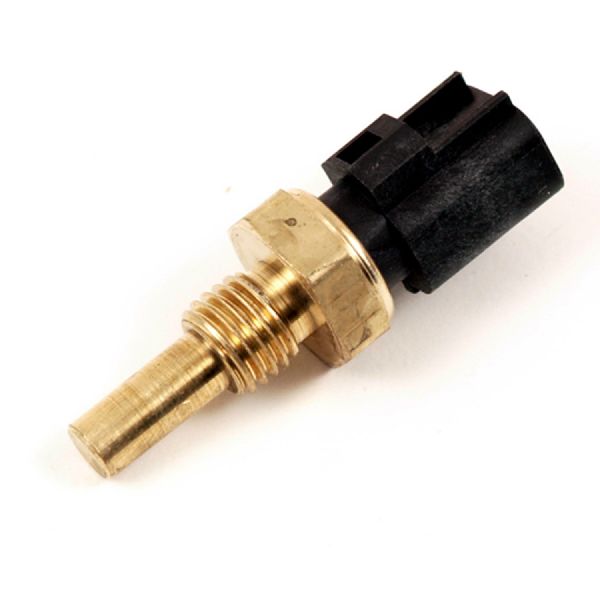
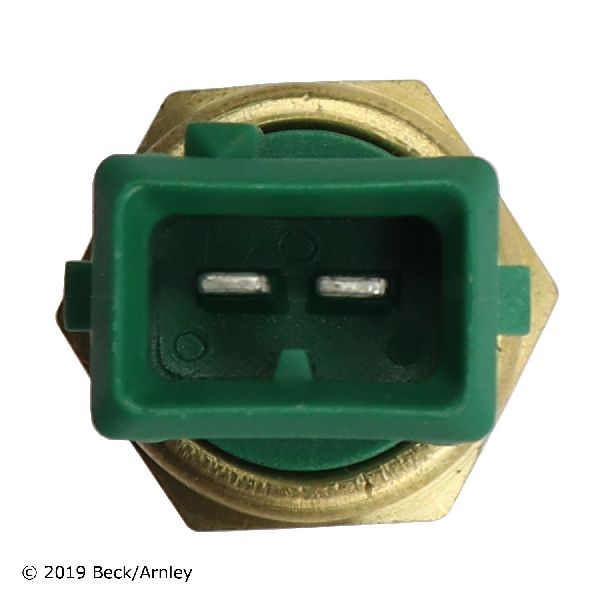
- Engine Coolant Temperature (ECT) Sensor: This is the main topic of this article. It has two wires and sends information to the engine computer (ECU). It is critical for engine performance. A failure here affects how your car runs.
- Temperature Sender/Switch: This typically has one wire. It sends information to the temperature gauge on your dashboard. If this part fails, your gauge will read incorrectly or not at all, but it won't cause the engine to run poorly.
- Radiator Fan Switch: Located on the radiator itself, this switch tells the cooling fans when to turn on and off. A common problem on the SW20 MR2 is for this switch to fail, causing the fans to run constantly. 🎬 Watch: How to fix radiator fans that stay on constantly.
Symptoms of a Failing ECT Sensor

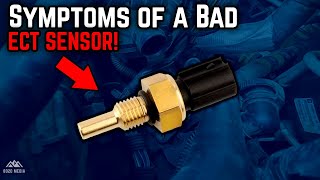
When the ECT sensor fails, it sends incorrect data to the ECU, which can lead to a variety of noticeable problems. You might experience:
🎬 Watch: A visual guide to common ECT sensor failure symptoms.- Poor Fuel Economy: This is a very common symptom. If the sensor is stuck reading cold, the ECU will continuously send a rich fuel mixture, wasting gas.
- Black Smoke from Exhaust: A rich fuel mixture that isn't burning completely can exit the tailpipe as black smoke.
- Rough Idle and Poor Performance: The engine may idle erratically, hesitate, or feel down on power because the fuel and timing calculations are based on bad information.
- Check Engine Light: On models equipped with diagnostics, a faulty sensor can trigger a Check Engine Light.
- Hard Starting: Especially when the engine is cold, the wrong fuel mixture can make the car difficult to start.
- Cooling Fan Malfunction: The sensor can cause the cooling fans to run all the time or not turn on when needed, potentially leading to overheating.
Choosing the Right Aftermarket Sensor

While an OEM sensor from Toyota is always a good choice, several quality aftermarket options are available. For a critical sensor like this, it's wise to stick with reputable brands to avoid performance issues from poorly calibrated parts.
Brand Quality Tiers (General Reputation):
- OEM-Supplier & Premium Brands (Recommended): Beck Arnley, Delphi, NGK, Denso (often the original Toyota supplier). These brands have a strong reputation for quality and proper calibration, making them a safe bet.
- Standard Aftermarket Brands: Facet, Four Seasons, Hella, Holstein, Motorad, Standard Ignition, Walker Products. These are generally reliable and offer a good balance of price and quality for most owners.
- Economy Brands: Global Parts, True Tech, URO Parts. These are budget-friendly options, but be aware that with critical sensors, you sometimes get what you pay for. Some owners report issues with off-brand sensors not performing to OEM specifications.
Cost of Replacing an MR2 ECT Sensor (Estimates)
| Item | Estimated Cost |
|---|---|
| New Aftermarket Part | $10 - $48 |
| New OEM Part | $60 - $90 |
| Shop Labor | $50 - $100 |
| Total (DIY) | $10 - $48 |
| Total (Shop) | $60 - $148 |
Frequently Asked Questions

Where is the ECT sensor located on the MR2?
The location varies by engine. On the AW11 (4A-GE), it is typically located on the coolant neck near the thermostat housing. On the SW20 (5S-FE & 3S-GTE), it is also found on the engine side of the cooling system, often near the thermostat housing and can be accessed with a deep 19mm socket. 🎬 See this walkthrough on how to test and replace the sensor. Always consult a repair manual for your specific year and engine to be certain.
Is this the sensor that controls the temperature gauge on my dash?
No. The sensor for the dashboard gauge is a separate part, often called a "temperature sender." The ECT sensor discussed here reports only to the engine's computer (ECU). If your gauge is not working but your engine runs fine, you likely need the sender, not the sensor.
Can a bad ECT sensor cause my car to overheat?
Yes. If the sensor fails to report a high temperature to the ECU, the ECU may not trigger the radiator cooling fans. This can cause the engine to overheat, especially in traffic or at low speeds.
Are there any recalls for the MR2's ECT sensor?
No, there are no specific recalls or technical service bulletins (TSBs) from Toyota or the NHTSA for the engine coolant temperature sensor on 1985-1995 Toyota MR2 models. Failures are typically due to the age and wear of the component.
Do I need to drain the coolant to replace this sensor?
It is highly recommended. The sensor sits in a coolant passage, and removing it will cause coolant to spill out. To do the job cleanly and avoid making a mess or introducing air into the system, you should partially drain the coolant below the sensor's level before starting. Some mechanics can swap it very quickly to minimize coolant loss, but draining is the proper method.
Helpful Videos
![Toyota Le Mans SW20 Turbo MR2 Fans Always On [HOW to FIX] MR2 Temperature Sensor Not Working PART #8](https://img.youtube.com/vi/rRuuWGgrDe0/mqdefault.jpg)
Technical Specifications
OEM Part Numbers: 89422-20010 89422-30020 89422-16010
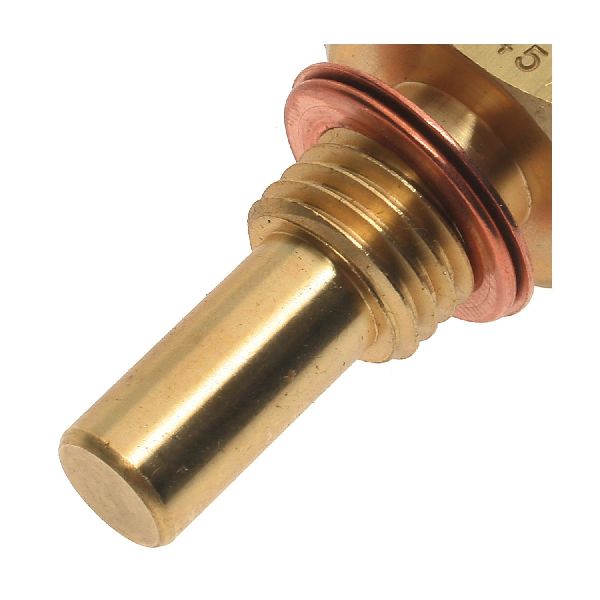
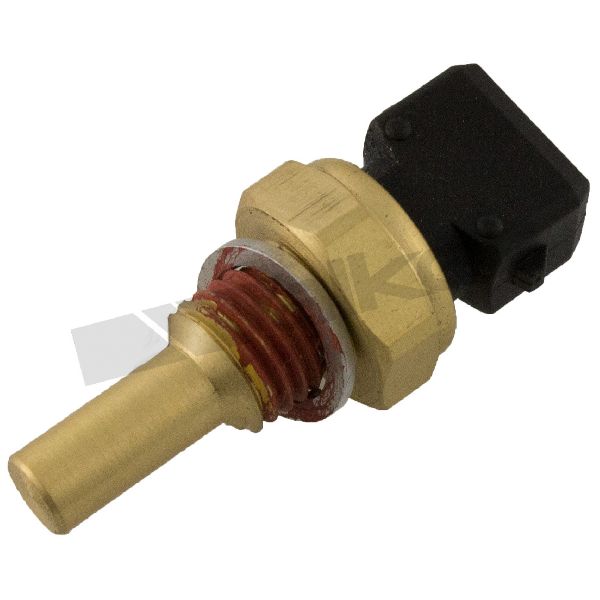
This is a two-wire thermistor sensor that provides temperature readings to the Engine Control Unit (ECU). It should not be confused with the single-wire temperature sender for the dashboard gauge.
We Have This Part in Stock


The information in this article is provided for general reference and educational purposes only. Vehicle specifications, procedures, and part compatibility can vary by production date, trim level, and region. Always consult your vehicle's factory service manual and verify part numbers before purchasing or performing repairs. Safety-critical components such as airbags, seat belts, and braking systems should be installed by a qualified professional.
- Toyota MR2: