

Toyota MR2 Starter Motor Guide for 1985-1995 Models
Don't let a bad starter keep your classic mid-engine Toyota off the road.
- The most common failure symptom is a single 'click' with no crank, which usually points to worn solenoid contacts.
- Before replacing the starter, always check your battery, terminals, and engine ground straps, as bad connections can mimic starter failure.
- Replacement is a feasible DIY job for both AW11 and SW20 generations, with the starter being accessible from under the car.
- Pay attention to the electrical connector on a new aftermarket starter, as some may require an adapter or modification to fit the SW20 harness.
Is Your MR2 Starter Failing? Common Symptoms
A failing starter on the MR2, whether it's the first-generation AW11 or the second-generation SW20, usually gives clear warning signs. Because these cars are now classics, starter failure is a common issue due to age and wear. The most frequent complaint is a single, loud "click" when you turn the key, but the engine doesn't crank.
- Single Loud Click, No Crank: This is the classic symptom of worn-out copper contacts inside the starter's solenoid. The solenoid engages, making the click, but fails to send power to the starter motor itself.
- Rapid Clicking Sound: A fast clicking often points to a weak or dead battery that doesn't have enough power to turn the starter. However, it can also be caused by poor battery cable connections or a bad ground. Always check your battery and connections first.
- Grinding Noise: If you hear a grinding or whirring noise when trying to start the car, it could mean the starter's gear is not engaging properly with the flywheel, or it's damaged.
- Slow, Labored Cranking: If the engine turns over very slowly, it could be a sign that the starter motor is wearing out and drawing too much power. This can also be caused by a weak battery, so test that first.
- No Sound at All: If there's no click and no crank, the problem could be the starter, but it's also important to check the starter relay, ignition switch, and the clutch safety switch (for manual transmissions). 🎬 Watch: Step-by-step troubleshooting for a no-crank, no-start MR2.
Check Your Grounds First!
Before you condemn your starter, check the battery terminals and the main ground straps. The MR2 is known for starting issues that are actually caused by corroded or broken ground wires between the battery, chassis, and transmission. A bad ground can mimic the symptoms of a failed starter.
Choosing a New Aftermarket Starter
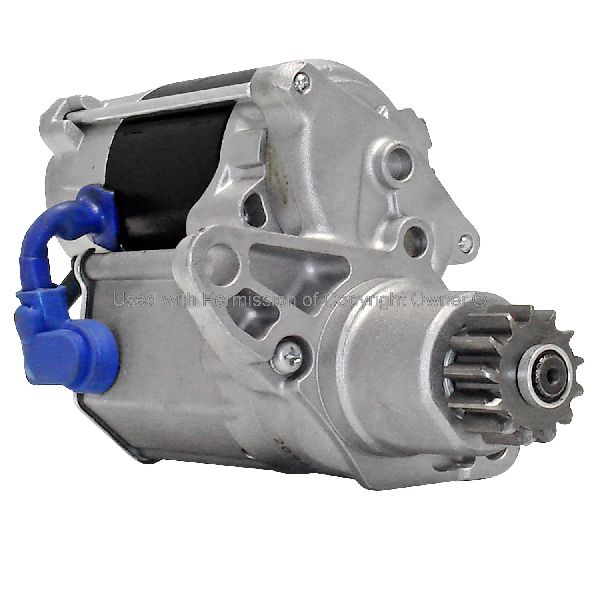
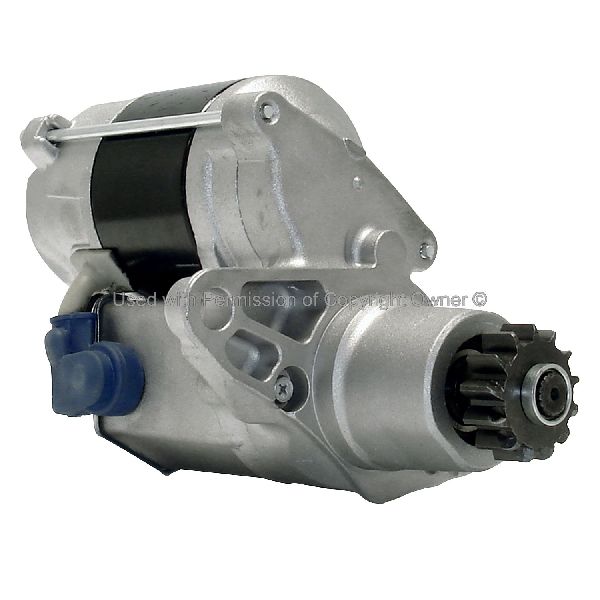
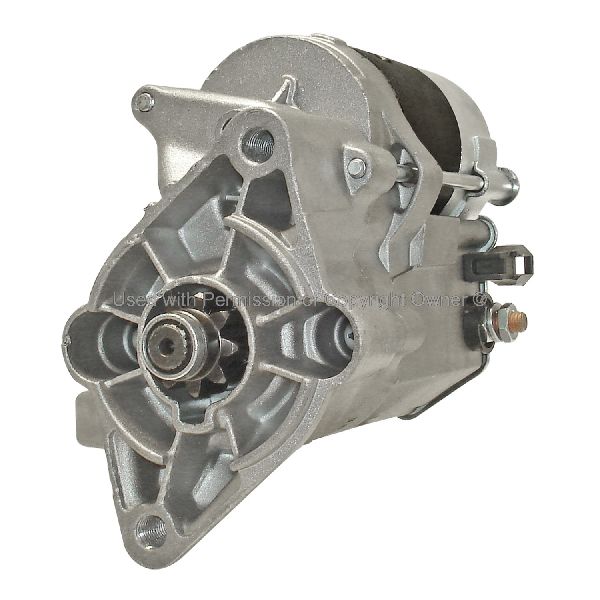
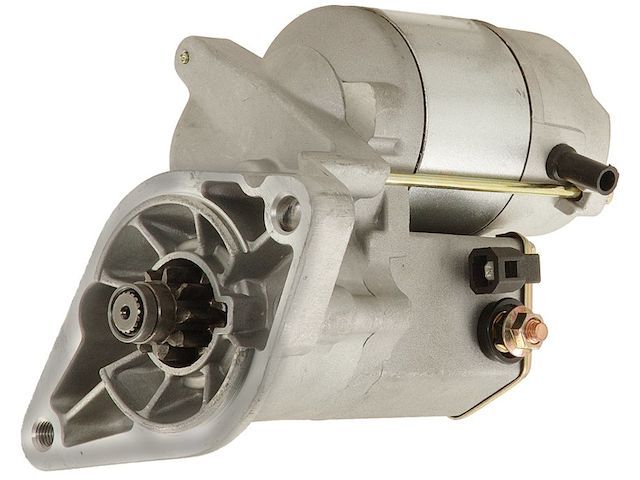
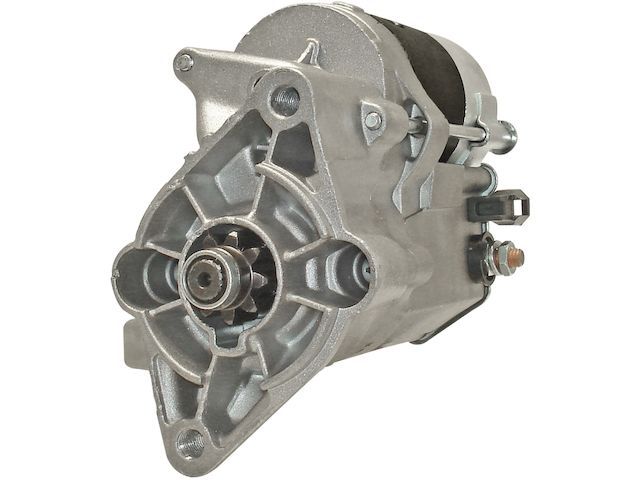
The original Denso starters on these cars were excellent and often lasted for decades. While finding a new OEM Denso starter is difficult and expensive, high-quality aftermarket parts provide a reliable and affordable solution.
When shopping for a new aftermarket starter, you'll find brands like ACDelco and MPA available. ACDelco is a well-known brand that generally offers good quality parts. MPA (Motor Parts of America) also supplies parts across the industry. For a car like the MR2, choosing a new part from a reputable brand often provides a better long-term value than the cheapest option available. Many aftermarket options are remanufactured, where old units are rebuilt with new wear components like brushes and contacts.
Pro Tip: Some aftermarket starters for the SW20 (1990-1995) may come with a slightly different, newer-style electrical connector for the solenoid. Always compare the new part to your old one before installation. If the connector is different, you may need an adapter or have to splice the new connector onto your harness.
MR2 Starter Replacement Overview
Replacing the starter is a manageable DIY job for most owners with basic tools. Access is tight due to the mid-engine layout, but it doesn't typically require removing major components.
For the 1985-1989 (AW11) MR2:
- The starter is located under the exhaust manifold and is accessed from underneath the car.
- You will need to safely raise the rear of the car.
- After disconnecting the battery, you'll typically remove a small heat shield and then the two main mounting bolts.
- The location near the hot exhaust can sometimes contribute to faster wear on the starter. 🎬 See this walkthrough of an AW11 starter repair.
For the 1990-1995 (SW20) MR2:
- The starter is located on the back of the engine, near the transmission.
- Access is from underneath the car, working around the oil filter and other components.
- The process is similar: disconnect the battery, unplug the electrical connections, and remove the two mounting bolts. The top bolt can be tricky to reach. 🎬 Watch: A helpful guide to replacing the SW20 starter.
| Item | Estimated Cost |
|---|---|
| New Aftermarket Starter | $88 - $137 |
| Shop Labor | $120 - $250 |
| Total Professional Replacement | $208 - $387 |
Frequently Asked Questions
Are there any recalls on the MR2 starter?
No. Searches of the National Highway Traffic Safety Administration (NHTSA) database show no recalls specifically for the starter motor on the 1985-1995 Toyota MR2.
Where is the starter located on my MR2?
On the first-generation AW11 (1985-1989), the starter is located under the car, beneath the exhaust manifold. On the second-generation SW20 (1990-1995), it is also accessed from underneath, located where the engine meets the transmission.
Is it hard to replace the starter on an MR2?
Most owners and mechanics consider it a relatively easy job. The main challenge is working in the tight space of the mid-engine bay. It typically takes 1-2 hours for a DIY mechanic. Always disconnect the battery before starting work.
My car just clicks. Is it the starter or the battery?
It could be either. A rapid, fast clicking usually points to a dead battery or bad connection. A single, solid click each time you turn the key is a very strong indicator of a bad starter solenoid. Always test your battery and clean the terminals before buying a new starter.
Helpful Videos
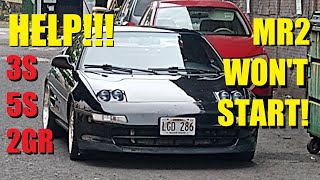
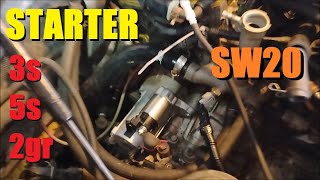
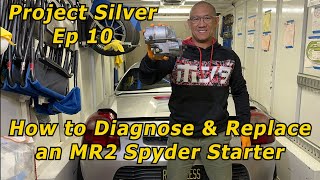

Technical Specifications
OEM Part Numbers: 28100-15150 28100-74050 28100-03030
Voltage: 12V. Power Output: Varies by engine (e.g., 1.2kW, 1.4kW). Rotation: Clockwise. Gear Teeth: Varies by part number, typically 8 or 9.
We Have This Part in Stock

The information in this article is provided for general reference and educational purposes only. Vehicle specifications, procedures, and part compatibility can vary by production date, trim level, and region. Always consult your vehicle's factory service manual and verify part numbers before purchasing or performing repairs. Safety-critical components such as airbags, seat belts, and braking systems should be installed by a qualified professional.
- Toyota MR2: