

Ford Mustang Starter Motor Guide (1985-1996): Choosing Your Replacement
Don't get stranded by a bad starter; find the right replacement for your Fox Body or SN95 Mustang.
- Heat soak is a major issue; upgrading to a high-torque mini starter is the best solution, especially if you have headers.
- A single 'click' often points to the inexpensive fender-mounted solenoid, which should be checked before replacing the starter.
- For V8 models, ensure your replacement starter is compatible with a 157-tooth flywheel, which is the most common setup.
- Performance brands like Ford Performance and Powermaster offer significant upgrades in reliability and cranking power over stock.
Is Your Mustang's Starter Failing?
A bad starter can leave you stranded. For 1985-1996 Ford Mustangs, especially those with the 5.0L V8, starter issues are common but usually straightforward to diagnose. Recognizing the signs early can save you a headache.
Common Failure Symptoms:
- Single Loud Click: You turn the key and hear one loud "click" from the engine bay, but the engine doesn't crank. This often points to a bad starter solenoid, which on these Mustangs is a separate relay typically mounted on the fender apron, or an issue with the starter motor itself.
- Slow, Labored Cranking: The engine turns over much slower than usual, as if the battery is weak. While a weak battery can be the cause, a failing starter motor can also draw too much power, leading to this symptom.
- Grinding or Whirring Noise: If you hear a grinding sound when trying to start the car, the starter gear may not be engaging correctly with the flywheel. A high-pitched whirring sound without the engine cranking means the starter motor is spinning, but its gear isn't extending to turn the engine.
- No Sound at All: If there's no click and no crank, the problem could be in the ignition switch, neutral safety switch, or the wiring leading to the starter solenoid.
- Hot-Start Problems (Heat Soak): This is a very common issue on Mustangs, especially those with aftermarket headers that run close to the starter. The starter gets so hot from the exhaust that it temporarily fails. After the car cools down for 30-60 minutes, it might start up again.
A Note on the Fender-Mounted Solenoid
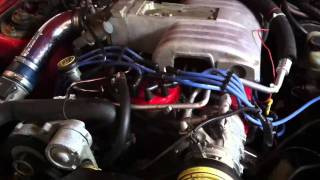
Most 1985-1993 Mustangs use a fender-mounted starter solenoid 🎬 Watch this guide to diagnosing a bad starter solenoid. (or relay). This part is a frequent point of failure and can produce a clicking sound that mimics a bad starter. It's an inexpensive part and often worth replacing as a first step in troubleshooting a no-crank condition. Later models and those converted to mini-starters may have the solenoid integrated into the starter itself.
Choosing the Right Aftermarket Starter
You don't need to buy an expensive OEM starter from Ford. The aftermarket offers a wide range of quality options, from standard replacements to high-performance upgrades that solve common Mustang problems.
Brand & Quality Tiers
When shopping for a new starter, you'll find several brands. Here’s a general breakdown:
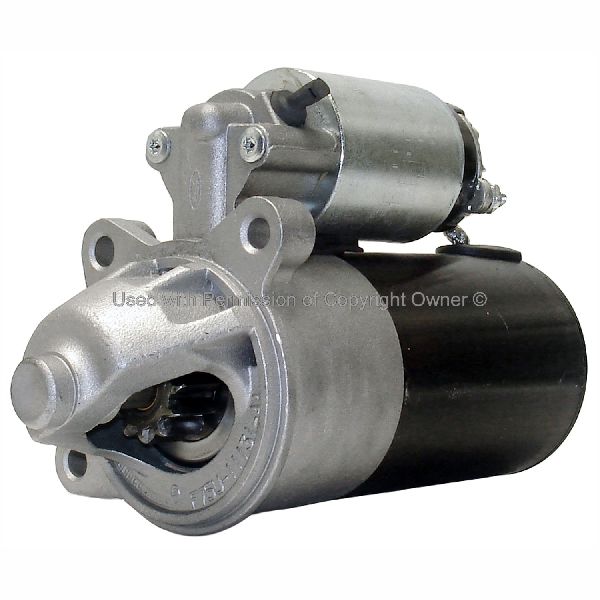
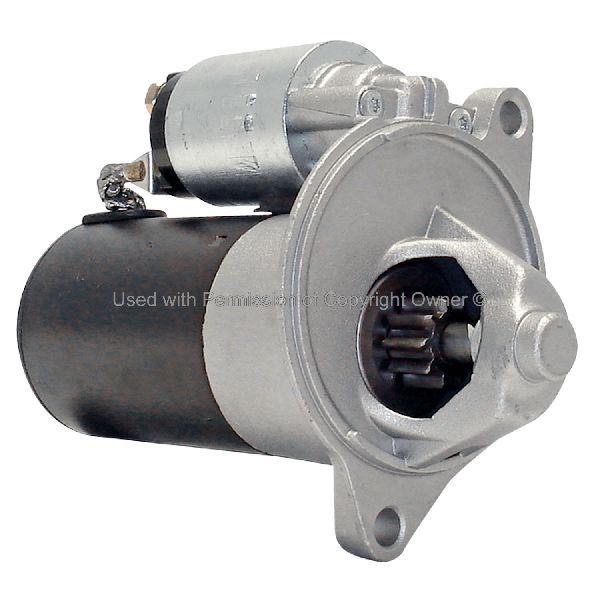
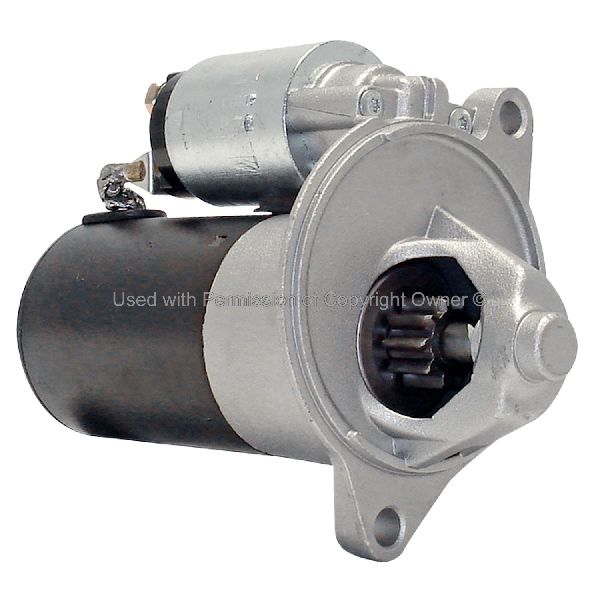
- Performance (Best): Brands like Ford Performance, Powermaster, and MSD are top-tier choices. They specialize in high-torque, gear-reduction mini starters. These are smaller, lighter, and more powerful than the original units. They provide better clearance for long-tube headers and are much more resistant to heat soak, making them a smart upgrade for any modified or even stock 5.0L Mustang.
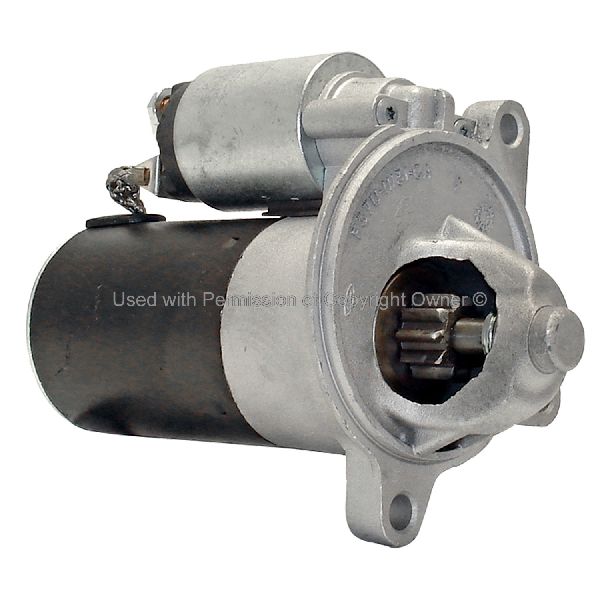
- Standard Replacement (Better): Brands like ACDelco and MPA (Motor Parts of America) offer reliable, OE-style replacements. These are new, not remanufactured, and are built to meet or exceed original specifications. They are a solid choice for a daily driven car with a stock or lightly modified engine.
- Economy (Good): Brands like Proform and Mr. Gasket often provide value-oriented options. While functional, always check the warranty and reviews before purchasing an economy part. For a critical component like a starter, spending a little more for a brand with a proven track record is often wise.
Pro Tip: Upgrade to a Mini Starter
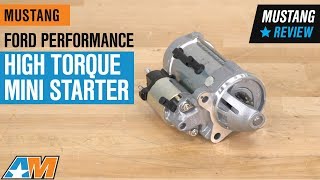
For any 1985-1995 Mustang, especially V8 models, upgrading to a high-torque mini starter is highly recommended 🎬 See a review of the Ford Performance high torque starter.. The original starters on pre-1990s models were large and heavy. A modern mini starter from a brand like Ford Performance or Powermaster is more efficient, provides more cranking power for higher-compression engines, and its smaller size is essential for avoiding heat soak from aftermarket headers.
Cost of a New Starter Motor (1985-1996 Ford Mustang)
| Part Type | Estimated Cost |
|---|---|
| New Aftermarket (Standard) | $84 - $150 |
| New Aftermarket (High-Torque/Performance) | $150 - $392 |
| Remanufactured | $70 - $130 |
| Shop Labor for Installation | $100 - $250 |
Prices are estimates and can vary based on brand, retailer, and vehicle configuration. Labor costs are based on typical shop rates.
Frequently Asked Questions (FAQ)
Do I need a special starter for my automatic or manual transmission?
Yes, but it's more about the flywheel/flexplate tooth count. Most V8 Mustangs in this era use a 157-tooth flywheel (manual) or flexplate (automatic). However, some combinations might differ. Always verify your tooth count before ordering. Performance mini-starters are often adjustable to fit multiple applications.
What is a "gear reduction" or "PMGR" starter?
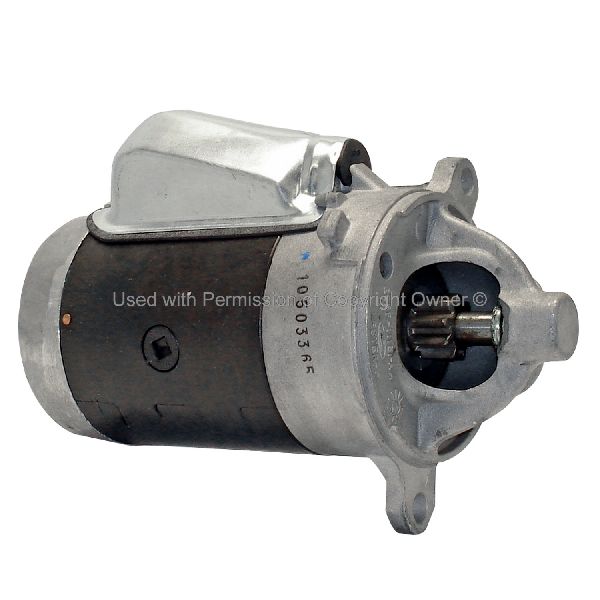
PMGR stands for Permanent Magnet Gear Reduction. This is the technology used in modern mini starters. It uses internal gears to multiply the motor's torque, allowing a smaller, lighter motor to produce more cranking force than the old, heavy direct-drive starters. This makes them more efficient and powerful.
My new starter is installed but it just clicks. What's wrong?
First, ensure your battery is fully charged and the terminals are clean and tight. A new starter won't work with a dead battery. Next, check your ground connections. A poor ground from the engine to the chassis is a common problem on these cars. Finally, re-check the wiring at the fender-mounted solenoid and the starter itself.
Are there any recalls for the starter on my 1985-1996 Mustang?
No, there are no specific recalls issued by the NHTSA for the starter motor on 1985-1996 Ford Mustangs. There was a major recall in 1996 for a faulty ignition switch that could cause fires, which affected millions of Fords including Mustangs from this era, but it was not directly related to the starter motor itself.
Helpful Videos
Technical Specifications
OEM Part Numbers: E43Z-11002-A E7SZ-11002-A F23U-11000-AA F4ZZ-11002-A
Flywheel Tooth Count: 157 (most common for V8), 164. Rotation: Clockwise. Voltage: 12V. Power Output: Varies by model (Standard vs. High-Torque). Drive Type: PMGR (Permanent Magnet Gear Reduction) for mini starters, Direct Drive for older/larger styles.
We Have This Part in Stock

The information in this article is provided for general reference and educational purposes only. Vehicle specifications, procedures, and part compatibility can vary by production date, trim level, and region. Always consult your vehicle's factory service manual and verify part numbers before purchasing or performing repairs. Safety-critical components such as airbags, seat belts, and braking systems should be installed by a qualified professional.
- Ford Mustang:
- 🎬 Helpful Videos
- 🛍️ Shop This Part
- Is Your Mustang's Starter Failing?
- Common Failure Symptoms:
- A Note on the Fender-Mounted Solenoid
- Choosing the Right Aftermarket Starter
- Brand & Quality Tiers
- Pro Tip: Upgrade to a Mini Starter
- Cost of a New Starter Motor (1985-1996 Ford Mustang)
- Frequently Asked Questions (FAQ)
- 🎟️ Get 5% Off