

Guide to the 1985-2000 GMC K2500 Automatic Transmission Oil Cooler
Keep your heavy-duty K2500 transmission from overheating and avoid expensive repairs.
- For a K2500 used for towing or hauling, a functioning transmission cooler is not optional—it's essential to prevent costly transmission failure.
- Fluid leaks are a common problem; regularly check under your truck for red or brown spots and inspect the cooler lines for wetness.
- Upgrading from a stock tube-and-fin cooler to an aftermarket stacked-plate model is a smart investment for better cooling and durability.
- For this age of truck, quality aftermarket brands like Dorman, Hayden, and BD Diesel offer excellent performance and value compared to hard-to-find OEM parts.
Signs of a Failing Transmission Cooler
A bad transmission cooler can cause serious problems. Heat is the number one killer of automatic transmissions. If you notice any of these signs, it's time to inspect your cooler and lines.
- Transmission Overheating: This is the most direct symptom. You might see a warning light on your dash or notice the temperature gauge climbing, especially when towing or driving up hills.
- Fluid Leaks: Finding puddles of red or brownish fluid under the front of your K2500 is a major warning sign. Leaks often come from the cooler itself or the lines connecting to it.
- Burnt Smell: If the transmission fluid gets too hot, it can burn. A sharp, burnt smell is a sign that your fluid is overheating and breaking down.
- Poor Shifting: When fluid overheats, it loses its ability to lubricate properly. This can cause slipping gears, delayed or harsh shifts, and a general feeling that the transmission is struggling.
- Contaminated Fluid: In a worst-case scenario, the cooler inside the radiator can fail, allowing engine coolant and transmission fluid to mix. This creates a milky, pinkish fluid often called a "strawberry milkshake" and can destroy both the transmission and the radiator.
Heat is the Enemy
For a heavy-duty truck like the K2500, especially when used for towing, the stock cooling system can be pushed to its limits. Overheated fluid (above 225°F) breaks down quickly, losing its ability to lubricate and protect internal transmission parts, which can lead to catastrophic failure.
Choosing the Right Aftermarket Cooler
For a vehicle from the 1985-2000 era, high-quality aftermarket parts offer excellent value. OEM parts can be hard to find or expensive. Aftermarket brands provide reliable, direct-fit replacements and heavy-duty upgrade options.
Brand Tiers & Quality
- Premium/Heavy-Duty (BD Diesel): Brands like BD Diesel specialize in high-performance parts for diesel and heavy-duty trucks. Their coolers often feature advanced designs like micro-extruded tubes for better cooling and are built for vehicles with a high Gross Vehicle Weight (GVW). These are excellent choices if you frequently tow heavy loads.
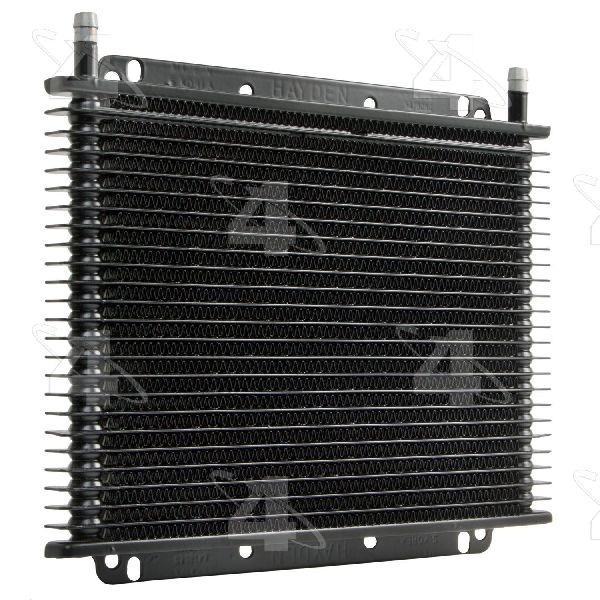
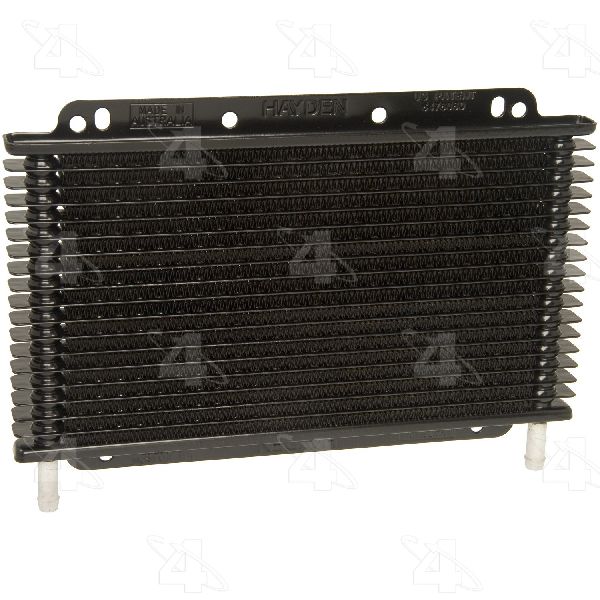
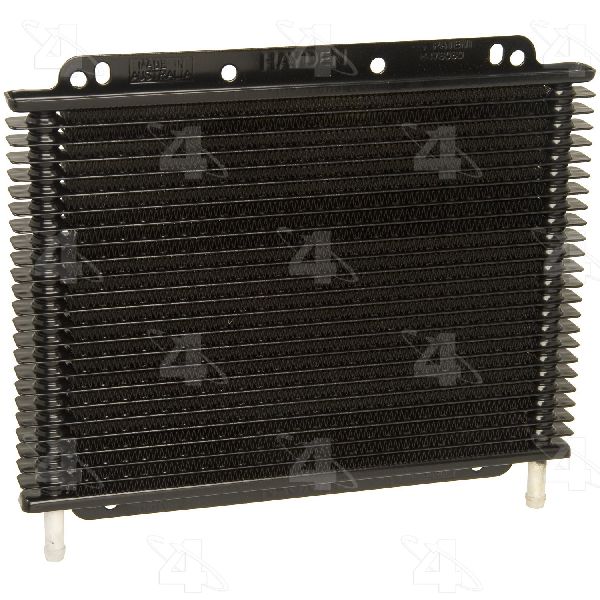
- Standard Replacement (Dorman, Hayden, Four Seasons): These brands are well-known for providing reliable, direct-fit replacement parts that meet or exceed original specifications. Dorman is a common choice for standard replacement parts that offer good quality. Hayden is also a popular brand, known for its plate-and-fin coolers that are effective for upgrading or as an auxiliary unit.
- Value (Global Parts): These brands typically offer a cost-effective solution for getting your truck back on the road, meeting basic requirements for a standard-use vehicle.
Pro Tip: Upgrade to a Stacked-Plate Cooler
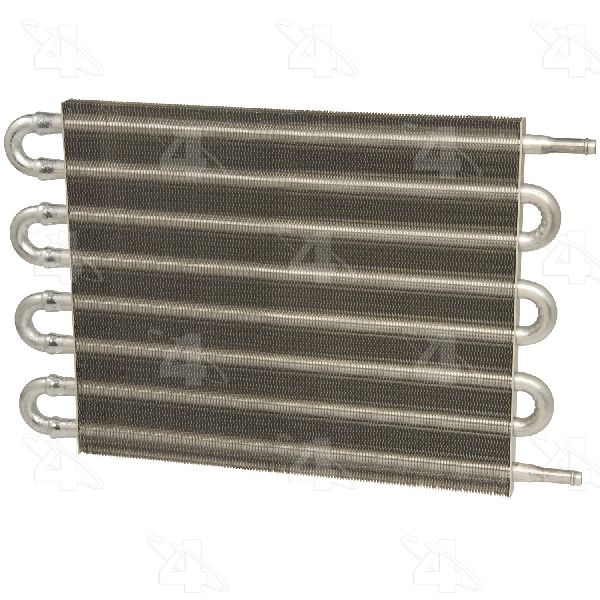
Many original coolers use a "tube-and-fin" design. For a hard-working truck like the K2500, upgrading to a more efficient "stacked-plate" or "plate-and-fin" cooler is a smart move. These designs offer better heat transfer and are more durable, providing an extra layer of protection when you're towing or hauling.
Replacement Cost
The cost to replace a transmission oil cooler can vary based on the part you choose and whether you do the work yourself.
| Item | Estimated Cost |
|---|---|
| New Aftermarket Cooler | $51.93 - $217.04 |
| Shop Labor | $100 - $350 |
Note: Prices are estimates and can vary by location and vehicle specifics. Labor costs depend on how accessible the cooler is.
Frequently Asked Questions (FAQ)
Do I need to replace my cooler lines at the same time?
It's a good idea. The lines on these older trucks can become brittle, rusted, or develop leaks at the fittings. Replacing them when you replace the cooler can prevent future leaks and save you from doing the job twice.
Can I install a new transmission cooler myself?
Yes, this is a DIY-feasible job for someone with basic mechanical skills and tools. It involves draining fluid, disconnecting lines, and unbolting the old cooler. Be prepared for some fluid spillage and make sure you have a drain pan ready.
Should I get a bigger, auxiliary cooler?
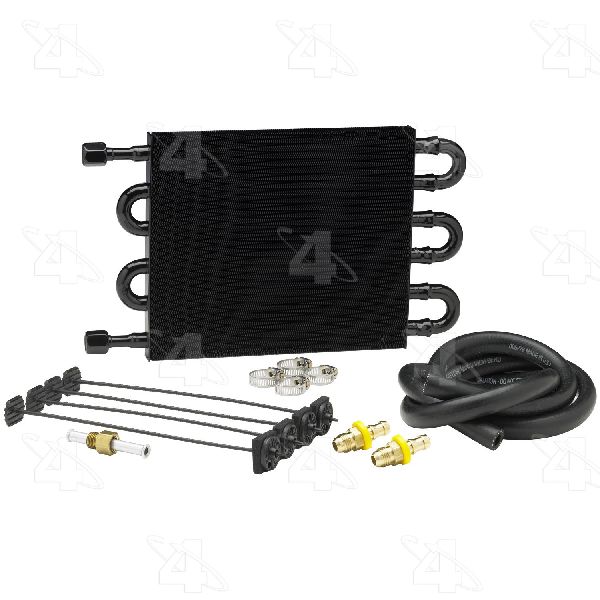
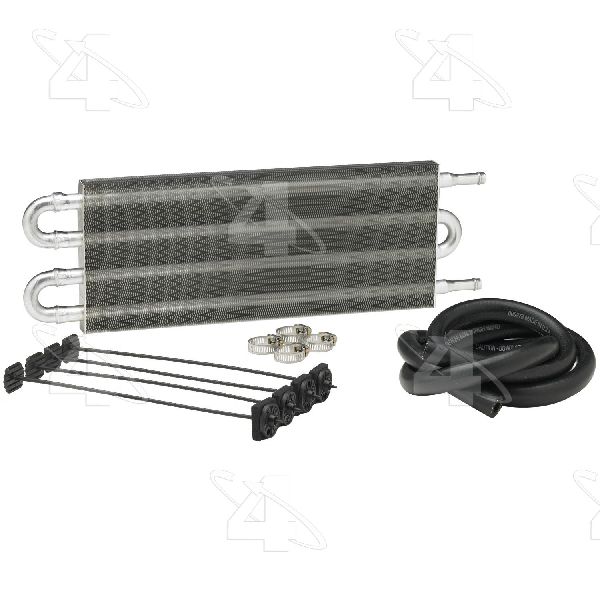
If you frequently tow heavy loads, drive in hot climates, or go up steep grades, adding a larger or secondary (auxiliary) cooler is one of the best investments you can make. It will help keep your transmission temperatures stable and extend its life. Brands like Hayden and BD Diesel offer universal kits that can be added to your existing system.
What are TSBs or recalls for my truck's cooler?
Searches for the 1985-2000 GMC K2500 did not show any specific recalls or Technical Service Bulletins (TSBs) for the transmission oil cooler itself. However, GM has issued recalls and TSBs for cooler line issues on other truck models, often related to leaks from rubbing or improperly seated fittings. It's always a good practice to inspect your cooler lines for any signs of wear or leaking.
Technical Specifications
Available as direct-fit replacements or universal auxiliary units. Common types include tube-and-fin, plate-and-fin, and stacked-plate designs. Stacked-plate coolers are generally considered the most efficient and durable for heavy-duty use.
We Have This Part in Stock

The information in this article is provided for general reference and educational purposes only. Vehicle specifications, procedures, and part compatibility can vary by production date, trim level, and region. Always consult your vehicle's factory service manual and verify part numbers before purchasing or performing repairs. Safety-critical components such as airbags, seat belts, and braking systems should be installed by a qualified professional.
- GMC K2500: