

GMC K3500 Serpentine & V-Belt Guide: 1985-2000
Keep your classic heavy-duty truck running strong by understanding its drive belt system.
- First, confirm if your K3500 has multiple V-belts (common pre-1988) or a single serpentine belt (common 1988-2000).
- Do not ignore symptoms like squealing, visible cracks, or dimming lights, as a snapped belt will disable your truck.
- For reliability, choose a top-tier aftermarket brand like Gates or Continental, especially for the 6.5L Diesel engine.
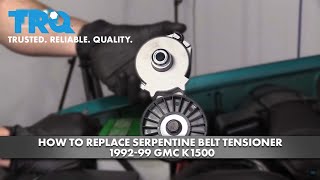
- Plan to replace the belt tensioner and any noisy idler pulleys at the same time as the belt to prevent future problems.
Understanding Your K3500's Belt System: V-Belt vs. Serpentine
The 1985-2000 GMC K3500 spans two major truck generations, and the belt system changed significantly. It is critical to know which system your truck has before buying parts.
- 1985-1987 Models: Most trucks from this era, often called "Square Body" models, used multiple individual V-belts. One belt might run the alternator and water pump, while another runs the power steering. While some late 1987 models began introducing serpentine belts, most used this multi-belt setup. 🎬 Watch: How to replace a V-belt on Square Body models.
- 1988-2000 Models: These GMT400 platform trucks almost exclusively use a single, wide serpentine belt. This system is simpler and uses an automatic tensioner to keep the belt tight.
Symptoms of a Failing Serpentine or V-Belt
When a drive belt starts to fail, your truck will give you several warning signs. Ignoring them can lead to a sudden breakdown and potential engine damage from overheating.
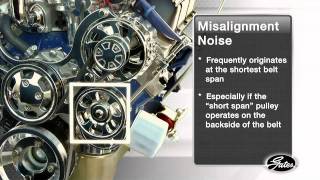
- Squealing Noises: A high-pitched squeal, especially on startup or when turning the steering wheel, is the most common symptom. This is caused by the belt slipping on the pulleys. 🎬 See how to use a spray bottle to diagnose noise.
- Visible Wear: Inspect the belt for cracks, fraying, missing chunks, or a glazed, shiny appearance. Any visible damage means it's time for a replacement.
- Accessory Problems: If your power steering feels stiff, the A/C blows warm air, or the battery light comes on, the belt may be slipping and failing to power those components properly.
- Engine Overheating: If the belt drives the water pump, a failure will cause the engine temperature to rise quickly. Pull over immediately if this happens to prevent severe engine damage.
Choosing the Right Aftermarket Serpentine Belt
For a workhorse truck like the K3500, a quality belt is a smart investment. While OEM belts from ACDelco are a benchmark, many aftermarket brands offer excellent or superior quality. They are all made from durable EPDM rubber that resists cracking and heat.
Here’s a breakdown of trusted brands:
- Top-Tier (Excellent Quality): Gates and Continental are consistently recommended by professional mechanics and experienced owners. They are known for their durability, quiet operation, and precise fit. Many consider them equal to or better than OEM.
- Mid-Tier (Reliable Quality): Dayco is another major manufacturer that produces reliable belts. While some users have reported noise or premature wear in certain applications, they are generally considered a solid choice for daily use. INA is also a well-respected brand, often an OEM supplier for European vehicles, and makes quality belts and tensioners.
- Economy-Tier (Budget-Friendly): Brands like Skyward fall into the budget category. While they can work, they may not have the same longevity or noise resistance as premium brands. For a critical part like a serpentine belt, spending a few extra dollars for a top-tier brand is highly recommended for peace of mind.
Serpentine Belt Replacement Cost for GMC K3500 (1988-2000)
Replacing a serpentine belt is a relatively inexpensive job. Prices vary based on your engine and location.
| Item | Estimated Cost |
|---|---|
| Aftermarket Serpentine Belt | $14 - $94 |
| Shop Labor | $75 - $175 |
| Total Professional Replacement | $100 - $270 |
Costs are estimates and can vary. It is often recommended to replace the belt tensioner at the same time, which will add to the total cost.
Frequently Asked Questions
How often should I replace the serpentine belt on my K3500?
Most modern serpentine belts last between 60,000 and 100,000 miles. However, for an older truck, it's best to inspect the belt regularly (at every oil change) for signs of wear like cracks or fraying and replace it based on condition rather than just mileage.
Is it hard to replace the serpentine belt myself?
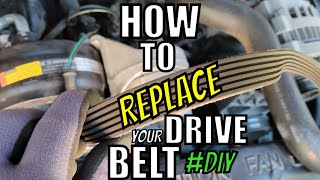
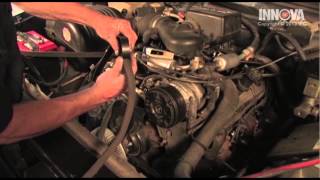
For most 1988-2000 K3500 models with a serpentine belt, the replacement is straightforward for a DIYer. It involves using a long wrench or serpentine belt tool to release the spring-loaded tensioner, slipping the old belt off, and routing the new one correctly. Always take a picture or use the under-hood diagram to ensure correct routing. 🎬 Watch this step-by-step serpentine belt replacement walkthrough. V-belt systems on older models can be more complex to tension correctly.
Should I replace the tensioner and pulleys with the belt?
It's highly recommended. A worn-out tensioner or a bad idler pulley is a common cause of belt noise and premature failure. Replacing them at the same time as the belt is cost-effective since the belt is already off, saving you on future labor costs. A weak tensioner can cause a new belt to slip or fall off.
Are there any recalls for the serpentine belt on the 1985-2000 K3500?
No specific recalls were found for the serpentine belt itself on these models after a search of the NHTSA database. However, a Technical Service Bulletin (TSB) for later model GM trucks (2007-2011) warns that some aftermarket belts can cause electrostatic discharge, leading to transmission computer issues. This highlights the importance of using quality, OEM-spec belts.
Helpful Videos

Technical Specifications
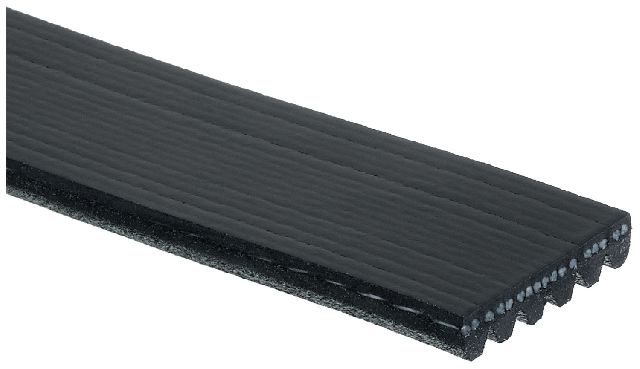
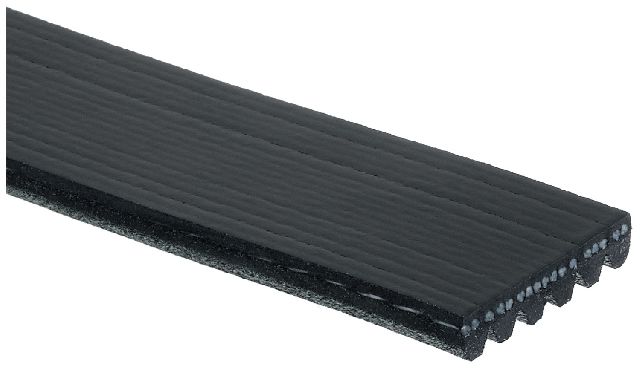
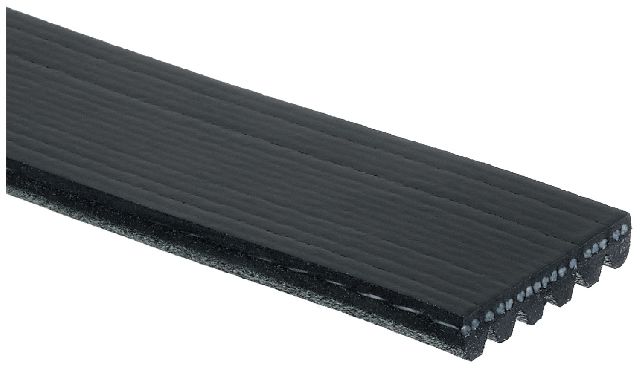
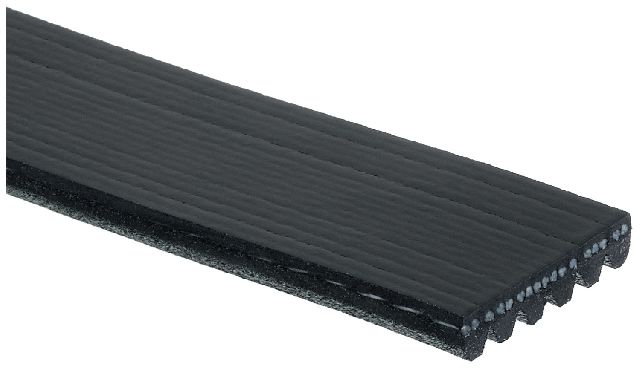
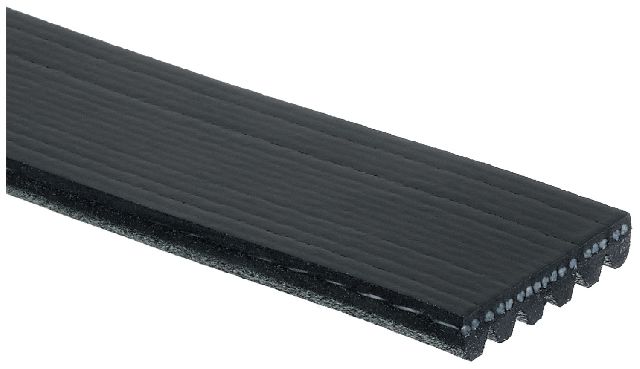
Belt type varies by year and engine. Pre-1988 models typically use multiple V-belts. 1988-2000 models typically use a single 6-rib serpentine belt. Belt length is critical and depends on the engine (5.7L, 7.4L, 6.5L Diesel) and accessories (A/C, dual alternators). Always verify the correct part number for your specific vehicle configuration.
We Have This Part in Stock

The information in this article is provided for general reference and educational purposes only. Vehicle specifications, procedures, and part compatibility can vary by production date, trim level, and region. Always consult your vehicle's factory service manual and verify part numbers before purchasing or performing repairs. Safety-critical components such as airbags, seat belts, and braking systems should be installed by a qualified professional.
- GMC K3500: