

1986-1987 BMW L7 Engine Coolant Temperature Sensor: A Complete Guide
Everything L7 owners need to know about diagnosing and replacing the engine coolant temperature sensor for the M30 engine.
- The 1986-1987 L7 has two coolant sensors; ensure you are replacing the correct one (the ECU sensor) that affects engine performance.
- Symptoms of failure almost always include poor fuel economy and a rich-running condition, which can cause black smoke and a rough idle.
- Replacement is an easy DIY task that can be done in under 30 minutes with basic tools on a cold engine.
- A premium aftermarket brand like Hella is a reliable and cost-effective alternative to a genuine part for this sensor.
Is This the Right Sensor? A Common BMW Mistake
Many older BMWs, including the E23 L7 with the M30 engine, have two separate coolant temperature sensors located near the thermostat housing. One sensor sends information to the engine computer (ECU), and the other sends a signal to the temperature gauge on your dashboard. They are not interchangeable. This guide is for the Engine Coolant Temperature (ECT) Sensor that communicates with the ECU and affects how your engine runs. A failure of this sensor will cause performance issues but may not make your dash gauge read incorrectly.
Symptoms of a Failing Engine Coolant Temperature Sensor
When the ECT sensor fails, it sends incorrect information to the engine's computer. Usually, it fails in a way that makes the computer think the engine is always cold. This can lead to a variety of noticeable problems:
- Poor Fuel Economy: The most common symptom. The ECU provides a rich fuel mixture, thinking the engine is still in its warm-up phase. This wastes fuel.
- Black Smoke from Exhaust: A very rich fuel mixture can lead to unburned fuel exiting through the exhaust, which appears as black smoke.
- Rough Idle or Stalling: The incorrect fuel mixture can make the engine run poorly at idle, causing it to shake or even stall.
- Hard Starting: Especially when the engine is warm, a faulty sensor can make starting difficult because the fuel mixture is too rich.
- Check Engine Light: The Motronic system may detect a signal from the sensor that is out of range, triggering a Check Engine Light.
- Failed Emissions Test: Due to the rich fuel mixture and potential for high carbon monoxide (CO) output, your vehicle will likely fail an emissions test.
Choosing the Right Aftermarket Part
For a classic vehicle like the L7, using a quality replacement part is essential. While a Genuine BMW sensor is an option, several reputable aftermarket brands offer excellent quality, often for a lower price. Given the simplicity of this sensor, a high-quality aftermarket part is a very reliable choice.
Aftermarket Brand Quality Tiers
| Brand | Tier | Notes |
|---|---|---|
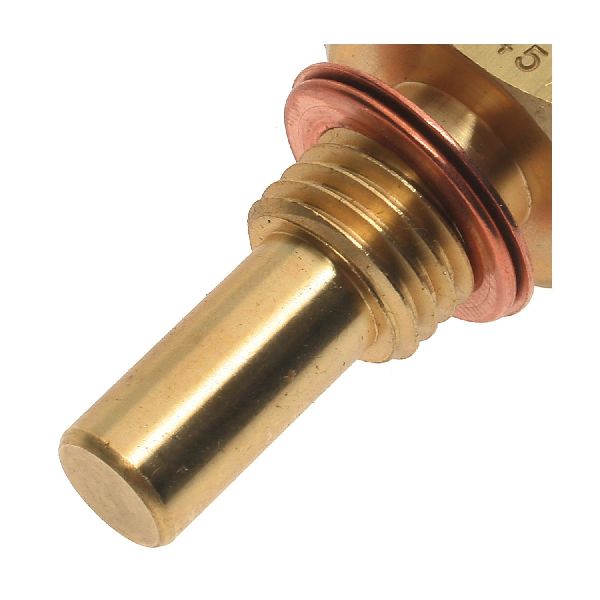
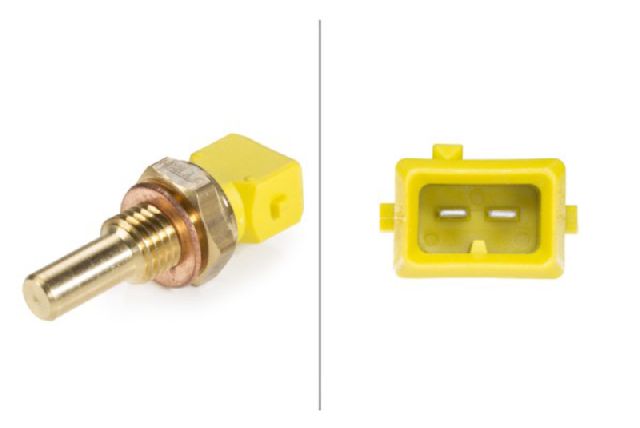
| Hella | OEM/Premium Aftermarket | Hella is a German company and a well-respected Original Equipment Manufacturer (OEM) for many European brands, including BMW. Choosing Hella is often equivalent to buying the genuine part without the dealer markup. Excellent quality and fit. |
| Standard Ignition | Premium Aftermarket | Standard Motor Products is a long-standing, reputable manufacturer of engine management components. They offer reliable parts that meet or exceed OEM specifications. |
| Facet | Standard Aftermarket | Facet is an established brand known for producing reliable replacement sensors. It's a solid choice for a balance of cost and quality. |
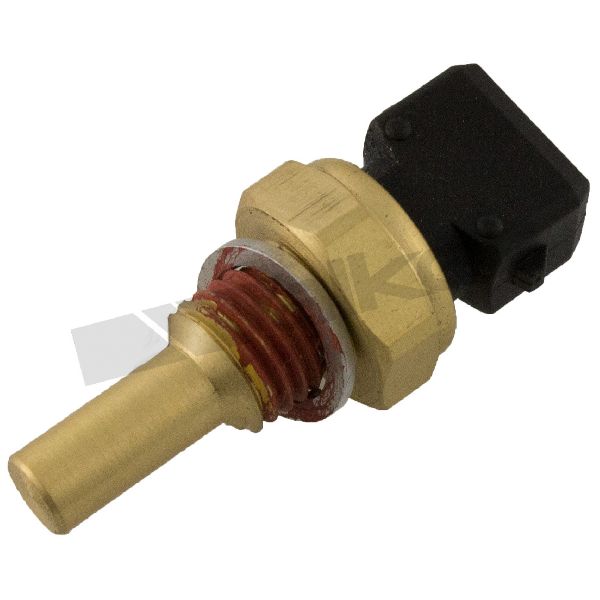
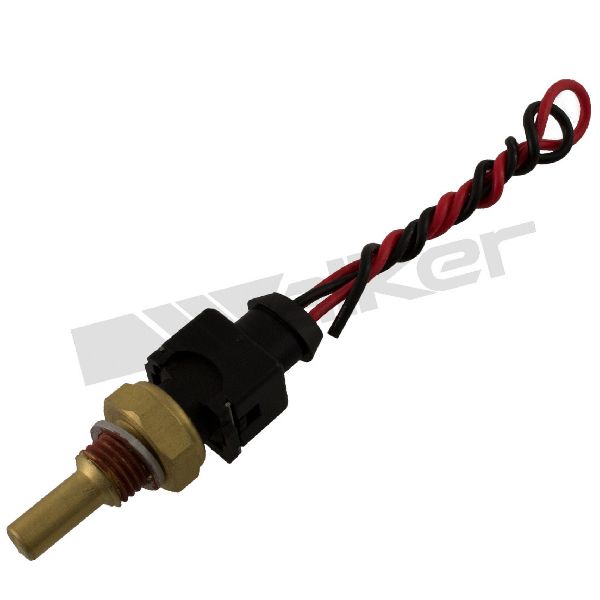
| Walker Products | Standard Aftermarket | Walker has been in the fuel and engine management business for decades, offering a wide range of sensors that are engineered to OE specifications. |
| True Tech | Standard Aftermarket | A standard aftermarket brand offering a cost-effective replacement option. |
A Note on OEM vs. Aftermarket
For this specific part on the M30 engine, there is little risk in choosing a top-tier aftermarket brand like Hella. Hella was an original equipment supplier to BMW for many components during this era. You can confidently use a quality aftermarket sensor without compromising on reliability.
Frequently Asked Questions (FAQ)
Can I replace the L7's ECT sensor myself?
Yes, this is a straightforward DIY job for most owners. The sensor is located on the thermostat housing at the front of the engine. The job requires basic hand tools, primarily a 19mm deep socket. The engine must be cold. If you are quick, you can swap the old sensor for the new one with minimal coolant loss.
Do I need to drain the coolant to replace this sensor?
A full drain is not necessary. If you work on a cold engine and have the new sensor ready, you can quickly unscrew the old one and install the new one. Only a small amount of coolant will spill. Be sure to top off the coolant afterward and check for any air pockets in the system.
Are there any recalls for this part on my BMW L7?
No. Searches of the National Highway Traffic Safety Administration (NHTSA) database show no recalls or specific safety campaigns related to the engine coolant temperature sensor for the 1986-1987 BMW L7.
What is the difference between the blue and brown temperature sensors?
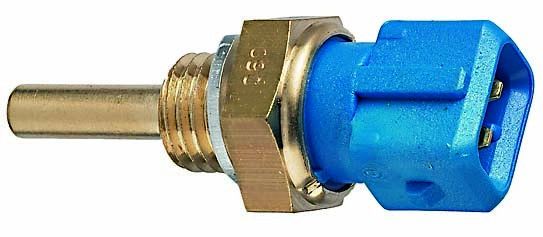
On many M30 engines, the sensor for the ECU is blue, while the sensor for the dashboard temperature gauge is brown. If your car is running poorly but the gauge seems to work, the blue ECU sensor is the likely culprit. If your gauge is not working correctly, the brown sensor is the one to check. Always verify the part and color before ordering.
Technical Specifications
OEM Part Numbers: 13621709967 12621710535 13621284397
Location: Thermostat Housing Connector Type: 2-Prong Tool Required: 19mm Deep Socket
We Have This Part in Stock


The information in this article is provided for general reference and educational purposes only. Vehicle specifications, procedures, and part compatibility can vary by production date, trim level, and region. Always consult your vehicle's factory service manual and verify part numbers before purchasing or performing repairs. Safety-critical components such as airbags, seat belts, and braking systems should be installed by a qualified professional.
- BMW L7: