

Porsche 911 Ignition Coil Guide: 1986-1990 Carrera 3.2
Everything you need to know about keeping the spark alive in your classic 911 Carrera.
- A primary symptom of coil failure on the 3.2 Carrera is a no-start condition when the engine is hot.
- This is a simple DIY replacement that requires basic tools and less than an hour of time.
- Quality aftermarket brands like Standard Ignition are a reliable and cost-effective alternative to Genuine Porsche parts.
- Ensure you use a coil for a Motronic system, not one for an older CDI ignition, as they are not compatible.
Is Your 911's Ignition Coil Failing?
The ignition coil on the 3.2 Carrera is a robust part, but it can fail due to age, heat, and vibration. When it starts to go, you'll notice. The signs often start small and can be mistaken for other issues, so it's important to know what to look for.
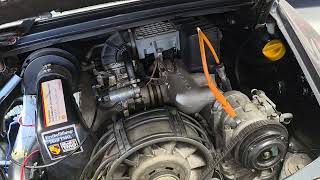
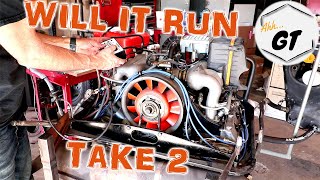
A classic symptom in these air-cooled engines is a no-start condition when the engine is hot. You might drive for a while, park the car, and then find it cranks but won't fire up until it has cooled down. 🎬 Watch this video to see a hot-start troubleshooting session. Other common signs include engine misfires (feeling like a stumble or jerk), hesitation during acceleration, reduced power, and worse fuel economy. In some cases, a completely failed coil will leave you stranded, as the engine won't start at all.
Smell Gas? Proceed with Caution.
If you notice a strong smell of unburned fuel along with running problems, it could mean the failing coil isn't firing the spark plugs, allowing raw fuel to be dumped into the hot exhaust. This can damage your catalytic converter, leading to a much more expensive repair.
Choosing the Right Aftermarket Ignition Coil
For a classic like the 3.2 Carrera, sticking with parts that meet or exceed original specifications is key. The original coils were typically made by Bosch. While a Genuine Porsche part is always an option, high-quality aftermarket brands offer a reliable alternative at a better price.
- Premium Aftermarket (e.g., Standard Ignition): Brands like Standard Motor Products are well-known in the industry and produce parts designed to be direct replacements for the original. They are engineered to match the performance characteristics of the factory coil, making them a solid choice for owners who want reliability without the premium price of a part from the Porsche dealer.
- Standard Aftermarket (e.g., Global Parts): These coils are designed to meet or exceed original equipment specifications for fit and function. They provide a cost-effective solution for getting your 911 back on the road and can be a good value, especially for a car that is driven regularly but not necessarily in high-performance situations.
Pro Tip: The 1986-1990 Carrera 3.2 uses a specific type of ignition coil designed for its Motronic inductive ignition system. Do not use a coil intended for an earlier CDI (Capacitive Discharge Ignition) system, as it will quickly fail and could cause damage.
Cost of Replacing a 1986-1990 Porsche 911 Ignition Coil
| Part Type | Estimated Part Cost | Notes |
|---|---|---|
| New OEM (Genuine Porsche) | $180 - $215 | Highest cost, original part. |
| New Aftermarket (Premium) | $75 - $130 | Brands like Bosch, Standard Ignition. |
| New Aftermarket (Standard) | $45 - $75 | Brands like Global Parts. |
| Shop Labor | $100 - $200 | Typically a 1-hour job. |
Frequently Asked Questions
Can I replace the ignition coil myself?
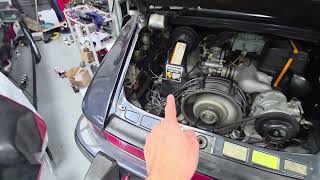
Yes, this is a very DIY-friendly job for most owners. The ignition coil is located in the engine bay and is typically held in place by a simple bracket. It requires basic hand tools to disconnect the electrical connectors and mounting hardware. The entire process usually takes less than an hour.
🎬 See this step-by-step walkthrough of a 3.2 Carrera ignition service.How do I know if I need a new coil or just spark plugs?
While symptoms can overlap, a complete no-spark or a hot-start issue often points directly to the coil or DME relay. Misfires can be caused by plugs, wires, the distributor cap, or the coil. If your spark plugs and wires are old, it's good practice to replace them first as part of a tune-up. If the problem persists, the coil is the next logical component to test or replace.
🎬 Watch a mechanic troubleshoot a 3.2L engine that won't start.Are there any recalls for the 1986-1990 911 ignition coil?
A search of the National Highway Traffic Safety Administration (NHTSA) database shows no specific recalls for the ignition coil on the 1986-1990 Porsche 911. Recalls found were for much newer models or different components.
What is the difference between an OEM and aftermarket coil?
OEM (Original Equipment Manufacturer) means the part is from the same company that supplied Porsche for the factory line, like Bosch. Aftermarket parts are made by other companies, like Standard Ignition or Global Parts. For this specific part, a quality aftermarket coil is widely considered a reliable and cost-effective alternative to a more expensive Genuine Porsche branded part.
Helpful Videos
Technical Specifications
OEM Part Numbers: 94460211501 90160250200
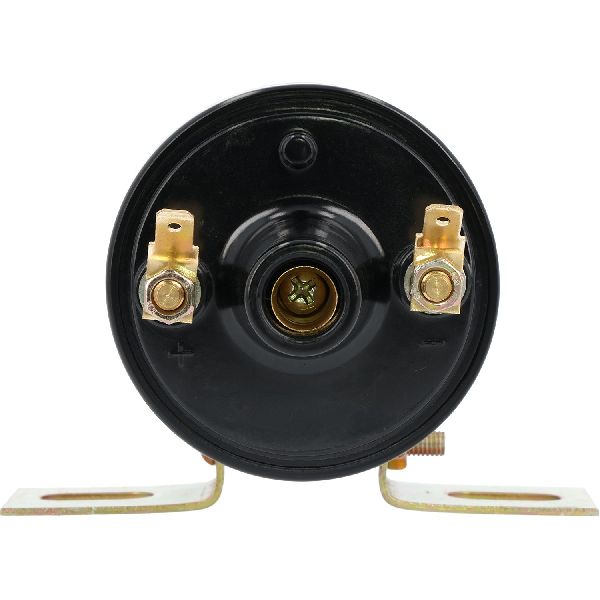
This vehicle uses a single, canister-style ignition coil with a 3-pin connector, compatible with the Bosch Motronic engine management system. It is an inductive ignition coil, not a CDI coil.
We Have This Part in Stock


The information in this article is provided for general reference and educational purposes only. Vehicle specifications, procedures, and part compatibility can vary by production date, trim level, and region. Always consult your vehicle's factory service manual and verify part numbers before purchasing or performing repairs. Safety-critical components such as airbags, seat belts, and braking systems should be installed by a qualified professional.
- Porsche 911: