

Engine Coolant Thermostat Guide for the 1986-1991 Buick LeSabre
Keep your LeSabre's 3.8L engine running at the right temperature by understanding, diagnosing, and replacing a faulty thermostat.
- A failing thermostat can cause serious engine damage from overheating or poor performance from running too cool.
- For this vehicle, a quality aftermarket thermostat from a brand like ACDelco or Gates is a reliable choice.
- Always use the factory-specified 195°F thermostat for best performance and efficiency.
- Replacement is a straightforward DIY job for most, but be sure to replace the gasket and properly bleed the cooling system of air.
Understanding Thermostat Failure in Your LeSabre
The engine coolant thermostat is a critical component for the health of your 1986-1991 Buick LeSabre's 3.8L V6 engine. It's a small, mechanical valve that regulates coolant flow to maintain a proper operating temperature. When it fails, it can get stuck in either an open or closed position, leading to distinct problems. These cars are known for being reliable, but cooling system parts wear out over time.
Symptoms of a Bad Thermostat
Recognizing the signs of a failing thermostat can save you from bigger headaches down the road. The most common issues are an engine that overheats or one that never fully warms up.
- Overheating: If the thermostat is stuck closed, it won't allow coolant to flow to the radiator. This is a serious issue that can cause the temperature gauge to climb into the red zone, especially when idling or in stop-and-go traffic.
- Engine Running Too Cool: A thermostat stuck open will constantly circulate coolant, preventing the engine from reaching its normal operating temperature. You might notice the temperature gauge stays low, your heater blows 🎬 Learn how to fix a thermostat that causes low engine temperatures. cool air, and your fuel mileage gets worse.
- Fluctuating Temperatures: An erratic temperature gauge that swings from cool to hot could point to a thermostat that is sticking or responding slowly.
- Coolant Leaks: While less common, a leak can sometimes be seen around the thermostat housing itself. This is often due to a failed gasket, which should always be replaced with the thermostat.
Warning: Do Not Ignore Overheating
If your LeSabre's temperature gauge enters the red, pull over and shut off the engine as soon as it is safe to do so. Driving an overheating engine can lead to severe damage, including warped cylinder heads and blown head gaskets.
Choosing the Right Aftermarket Thermostat
For a vehicle of this age, aftermarket parts are the most common and sensible choice. The original GM parts are likely discontinued, and a quality aftermarket part can meet or exceed original specifications. The key is choosing the right brand and the correct temperature rating.
| Tier | Brands | Description |
|---|---|---|
| OEM Equivalent / Premium | ACDelco, Gates | ACDelco is the original GM parts brand and is considered the benchmark for fit and function. Gates is another highly respected brand in cooling systems. These are trusted choices for reliability and correct performance. |
| Standard Aftermarket | Motorad, Calorstat by Vernet | These brands offer a good balance of quality and value. They are dependable replacements for a daily driver and meet standard specifications. |
| Performance / Specialty | Edelbrock, Mishimoto, Mr Gasket | These brands often cater to performance applications. For a stock LeSabre, they might be unnecessary unless you are looking for a specific, lower-temperature thermostat (e.g., 180°F), which is sometimes used in warmer climates but not generally recommended over the factory 195°F rating. |
Pro Tip: Check the Temperature Rating
The standard thermostat for the 3.8L V6 engine is 195°F. Using a thermostat with a lower rating, like 180°F, can cause the engine to run too cool, which may affect performance and efficiency. It's best to stick with the factory-recommended temperature unless you have a specific, modified application.
Frequently Asked Questions (FAQ)
Is replacing the thermostat a good DIY job?
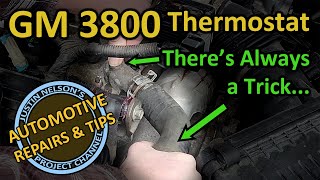
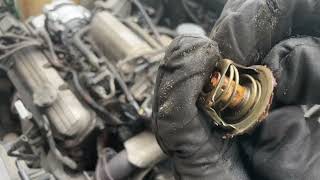
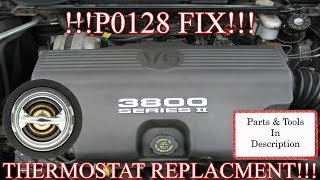
Yes, for most home mechanics. The thermostat on the Buick 3.8L V6 is located on top of the engine 🎬 See a step-by-step replacement on the Series 1 3800 engine. and is relatively easy to access. The job requires basic hand tools, and the most important part of the process is properly bleeding the air out 🎬 Watch this guide for a clean, no-spill thermostat replacement technique. of the cooling system afterward to prevent overheating.
Should I replace anything else at the same time?
Absolutely. Always replace the thermostat gasket or O-ring. It's also a great time to inspect the radiator hoses and consider replacing the coolant temperature sensor, as it's located nearby and is also an inexpensive part. If your coolant is old, this is the perfect opportunity to flush and replace it.
Are there any recalls or TSBs for this issue?
Searches for the 1986-1991 Buick LeSabre show no specific recalls for the engine coolant thermostat. While general cooling system TSBs exist, they mostly cover procedures for flushing or using the correct coolant, not a specific defect with the thermostat itself.
What is the difference between the coolant temperature sensor and the thermostat?
The thermostat is a mechanical valve that opens and closes to control coolant flow. The coolant temperature sensor is an electronic sensor that reads the coolant temperature and sends that information to the car's computer and your dashboard temperature gauge. A bad sensor can mimic the symptoms of a bad thermostat (like a faulty gauge reading), so it's important to diagnose the problem correctly.
Helpful Videos
Technical Specifications
Standard Opening Temperature: 195 Degrees Fahrenheit (89 Degrees Celsius). Always includes a new gasket or O-ring.
We Have This Part in Stock


The information in this article is provided for general reference and educational purposes only. Vehicle specifications, procedures, and part compatibility can vary by production date, trim level, and region. Always consult your vehicle's factory service manual and verify part numbers before purchasing or performing repairs. Safety-critical components such as airbags, seat belts, and braking systems should be installed by a qualified professional.
- Buick LeSabre: