

Choosing the Correct Accessory Drive Belts for Your 1986-1992 Jeep Comanche
Your Comanche could have V-belts or a serpentine belt—here's how to get the right parts.
- Confirm if your Comanche has a single serpentine belt or multiple V-belts before ordering.
- Verify your exact engine (2.5L, 2.8L, 4.0L) and accessory options (A/C, Power Steering) to ensure you get the correct length belts.
- Improper belt tension is the number one cause of squealing noises; the 4.0L engine requires a very tight belt.
- Premium aftermarket brands like Gates, Continental, and Dayco are highly recommended and offer excellent value and reliability.
V-Belts vs. Serpentine: A Critical Difference
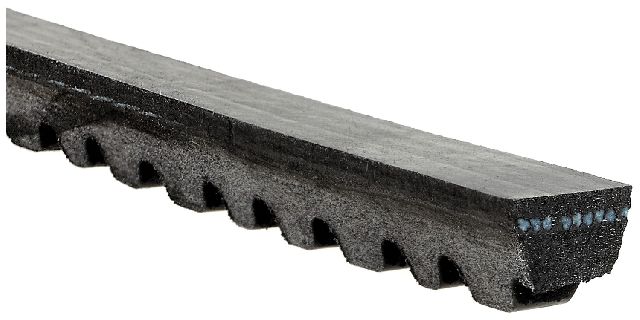
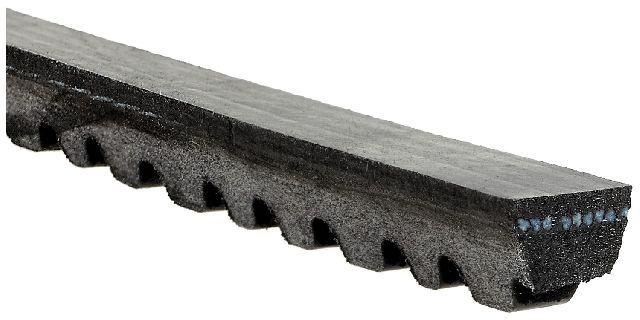
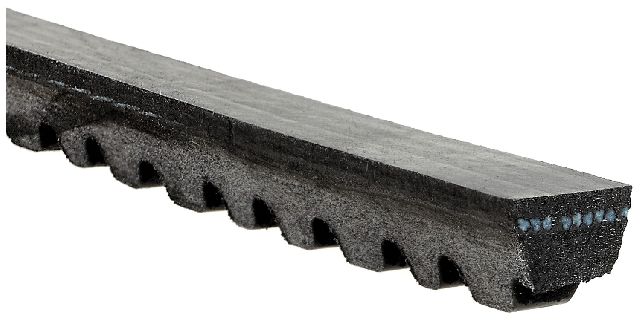
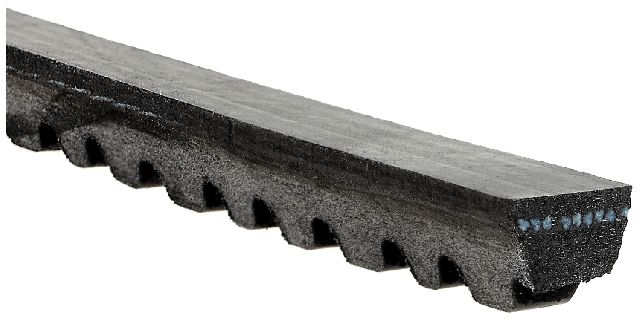
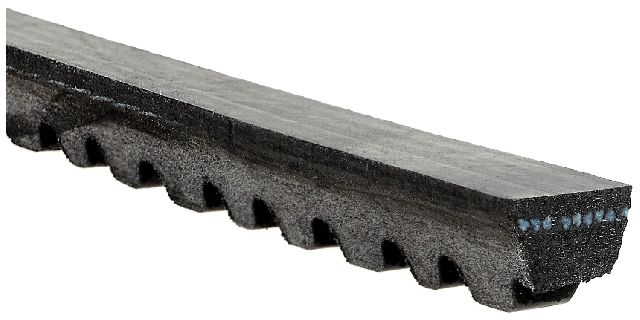
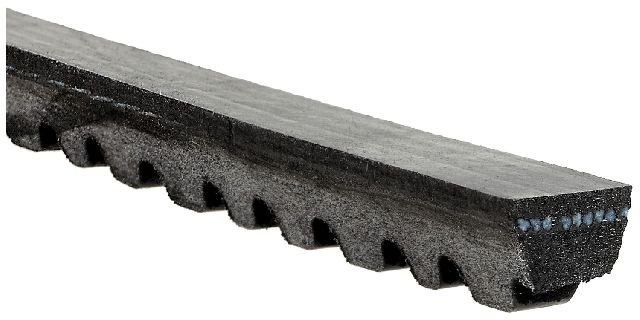
Before buying parts, you must know what system your truck uses. The 1986-1992 Jeep Comanche was built with different engines and accessory configurations. Early models and some base configurations, particularly with the 2.5L engine or 2.8L V6, often used multiple individual V-belts. Later models, especially those with the 4.0L inline-six engine, transitioned to a single serpentine belt system. Visually inspect your engine bay: if you see multiple individual belts, you have V-belts. If you see one wide, flat, ribbed belt snaking around all the pulleys, you have a serpentine belt.
Symptoms of a Failing Accessory Drive Belt
A worn or failing belt will give you clear warning signs. Ignoring them can lead to a breakdown. Look and listen for these common symptoms:
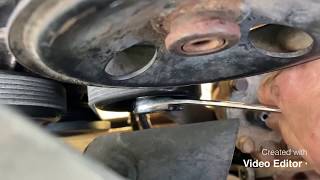
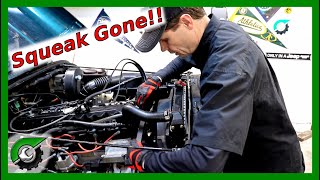
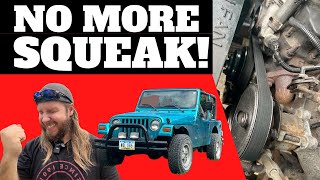
- Squealing or Chirping Noises: This is the most common symptom. The noise is often loudest on cold starts, during acceleration, or when turning the steering wheel. It's caused by the belt slipping on the pulleys due to wear, contamination (like oil or coolant), or improper tension. 🎬 See how to fix a squeaking belt on your Jeep
- Visible Wear and Tear: A visual inspection can reveal a lot. Look for cracks, glazing (a shiny, smooth surface), fraying edges, or missing chunks of rubber on the belt.
- Accessory Malfunctions: If a belt breaks or is slipping badly, the components it powers will stop working. You might notice dimming headlights (alternator), difficulty steering (power steering pump), or a rapidly rising engine temperature gauge (water pump).
- Battery Warning Light: If the alternator isn't being spun correctly by its belt, the battery won't charge, and the battery warning light on your dashboard will illuminate.
Pro Tip: Check Your Pulleys
When replacing your belts, spin each pulley by hand (with the engine off and belt removed). They should spin smoothly and quietly. A wobbly, noisy, or seized pulley indicates a failing bearing in the component (like an alternator or idler pulley) which can destroy a new belt quickly.
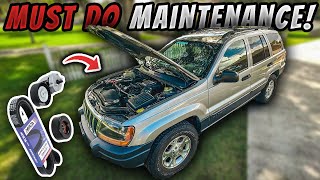
🎬 Watch: Replacing the belt and pulleys on a 4.0L engineChoosing the Right Aftermarket Belt
For a vehicle like the Comanche, aftermarket belts offer excellent quality, often meeting or exceeding original specifications. OEM Mopar belts can be difficult to find or expensive for this vintage. Aftermarket brands provide reliable and affordable options.
| Tier | Brands | Assessment |
|---|---|---|
| Premium | Gates, Continental, Dayco | These brands are industry leaders and often OEM suppliers for various manufacturers. They are widely trusted in forums for their durability and performance. You can't go wrong with a belt from one of these brands. |
| Standard / OEM-Style | Bando, Mitsuboshi, ACDelco | Bando and Mitsuboshi are major OEM suppliers for Japanese vehicles and are known for high-quality rubber products. ACDelco is a reliable, well-known brand with parts for many vehicles. These are solid, dependable choices. |
| Jeep Specialist / Economy | Crown Automotive | Crown specializes in Jeep replacement parts. While their quality on complex parts can sometimes be debated in forums, a simple wear item like a belt is generally considered a safe purchase and a good value. |
Common Ordering Mistake
The most common mistake is ordering the wrong belt(s). Because of the variations, do not buy a belt based on the year alone. You must confirm your engine (2.5L, 2.8L, 4.0L) and whether your truck has accessories like Air Conditioning and Power Steering, as these require different belt lengths or additional belts. Always use a parts catalog that allows you to input your Comanche's full specifications.
Frequently Asked Questions (FAQ)
How many belts does my Jeep Comanche have?
It depends entirely on the engine and options. A 4.0L engine with A/C will likely have one serpentine belt. A 2.5L engine without A/C might have two or three separate V-belts. 🎬 Watch this walkthrough for replacing a 2.5L serpentine belt You must visually check your engine to be certain.
Can I replace just one bad V-belt?
Yes, you can. However, belts are inexpensive and tend to wear at similar rates. If one is cracked and worn, the others are likely not far behind. It is good practice to inspect all belts and consider replacing them as a set to save time on future repairs.
What is the most common cause of belt noise on a Comanche?
Based on owner experiences, the most common cause of belt squeal is improper tension. This is especially true for the 4.0L engine, which requires a very tight serpentine belt to operate quietly. Using a belt tension gauge is recommended for a precise adjustment. Other causes include fluid contamination or a bad pulley.
Were there any recalls for the Comanche's accessory belts?
No. Searches of the National Highway Traffic Safety Administration (NHTSA) database show no recalls specifically related to the accessory drive belts for the 1986-1992 Jeep Comanche.
Helpful Videos
Technical Specifications
OEM Part Numbers: 53002900 53001120 53007539 53006870 53001772
System Type: V-Belt or Serpentine Ribbed Belt. Material: EPDM rubber compound is standard for modern replacement belts, offering superior heat and crack resistance. The number of belts, length, and rib count (for serpentine belts) varies significantly by engine and accessory combination.
We Have This Part in Stock

The information in this article is provided for general reference and educational purposes only. Vehicle specifications, procedures, and part compatibility can vary by production date, trim level, and region. Always consult your vehicle's factory service manual and verify part numbers before purchasing or performing repairs. Safety-critical components such as airbags, seat belts, and braking systems should be installed by a qualified professional.
- Jeep Comanche: