

A Guide to the 1986-1992 Jeep Comanche Steering Gear
Address steering wander and leaks by understanding your replacement options for this critical part.
- Inspect your frame for cracks around the steering gear mounting bolts before starting the replacement.
- A Pitman Arm Puller is an essential tool for this job; do not attempt removal without one.
- Remanufactured units from brands like Cardone are the most common option, but quality can be inconsistent.
- Consider installing an aftermarket steering box brace to prevent future frame damage, especially with larger tires.
Signs of a Failing Steering Gear
A worn-out steering gear on a Jeep Comanche will make its presence known. Because the Comanche shares its steering design with the popular Cherokee XJ, these symptoms are well-documented by owners. Ignoring them can lead to unsafe driving conditions.
- Steering Play or "Slop": This is the most common complaint. You'll notice a dead spot when the steering wheel is centered, requiring you to turn the wheel several degrees before the truck starts to respond. This makes it hard to keep the truck straight on the highway, a condition known as "steering wander."
- Fluid Leaks: Power steering fluid (which is often reddish or clear) leaking from the bottom of the gearbox is a classic sign of failing seals. The seal on the pitman arm shaft is a frequent culprit. These leaks not only make a mess but can lead to a loss of power steering if the fluid level drops too low.
- Popping or Clunking Noises: Unusual noises when turning the wheel can indicate excessive wear on the internal gears of the box.
- Stiff or Inconsistent Steering: If the steering feels unusually hard to turn, or if the effort changes as you turn, the internal components of the gearbox may be binding or failing.
Check for Frame Cracks
Before replacing your steering gear, inspect the unibody frame rail where the box mounts. The stress of steering, especially with larger tires, can cause the frame to crack around the mounting bolts. Welding and reinforcing this area with aftermarket plates is a common and highly recommended repair. Simply installing a new gearbox on a cracked frame will lead to repeated failure.
Choosing the Right Aftermarket Steering Gear
New original OEM steering gears for the Jeep Comanche are no longer produced. Your options are limited to remanufactured aftermarket parts. The two most common brands you will encounter are Cardone and BBB Industries.
- Remanufactured (Cardone, BBB Industries): These are original gearboxes that have been rebuilt with new seals and other components. Quality can be inconsistent. Some users report receiving units that have as much play as their old, worn-out part, while others have years of good service. The main advantage is a lower price and availability. These parts almost always require a "core charge," which is a deposit you pay until you return your old steering gear.
The Durango Box Upgrade
Many Jeep owners choose to upgrade to a remanufactured steering gear from a 1999 Dodge Durango V8. This box is a popular modification because it's more robust and can provide a tighter steering feel. While it's mostly a bolt-in replacement, it may require some minor modifications like using washers as spacers to ensure proper fitment. This is a well-documented upgrade in the Jeep community for those looking for improved durability, especially when running larger tires.
Cost of Replacing a Jeep Comanche Steering Gear
| Part Type | Estimated Cost |
|---|---|
| Remanufactured Aftermarket (Cardone, BBB) | $201.27 - $405.97 (plus core charge) |
| Shop Labor | $250 - $500 |
Note: Prices are estimates and can vary based on location, brand, and the specific condition of your vehicle. The cost of a core charge is typically refunded when you return your old part.
Frequently Asked Questions (FAQ)
What is a core charge?
A core charge is a refundable deposit you pay when buying a remanufactured part. The "core" is your old, worn-out steering gear. Remanufacturers need these old parts to rebuild them. You get the deposit back when you return your old part to the seller.
Do I need a special tool to replace the steering gear?
Yes, you will need a Pitman Arm Puller. The pitman arm connects the steering gear to the steering linkage, and it is pressed on very tightly. Attempting to remove it without the correct puller can damage the arm or the gearbox. These tools can often be rented from auto parts stores.
Should I get a steering box brace?
Yes, it is highly recommended. A steering box brace is an aftermarket part that connects the steering gear to the opposite frame rail. This helps distribute the steering forces, reducing stress on the driver's side frame rail and preventing the common cracking issue. Many owners consider it essential, especially if you have larger-than-stock tires.
Is adjusting my old steering gear a good idea?
There is an adjustment screw on top of the steering gear that can remove a small amount of play. However, this is often a temporary fix and should only be done after confirming all other steering components (like tie rod ends and ball joints) are in good condition. Overtightening the screw can damage the gearbox and make the steering unsafe. If your gearbox is leaking or has significant wear, replacement is the only proper solution.
Technical Specifications
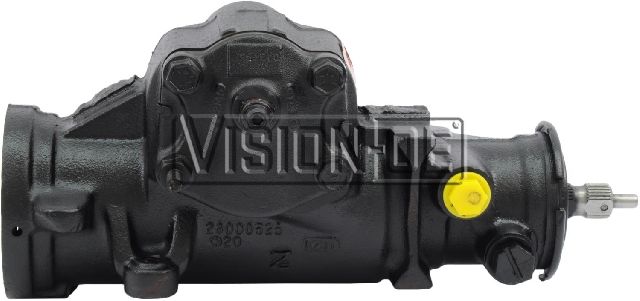
OEM Part Numbers: 26000525
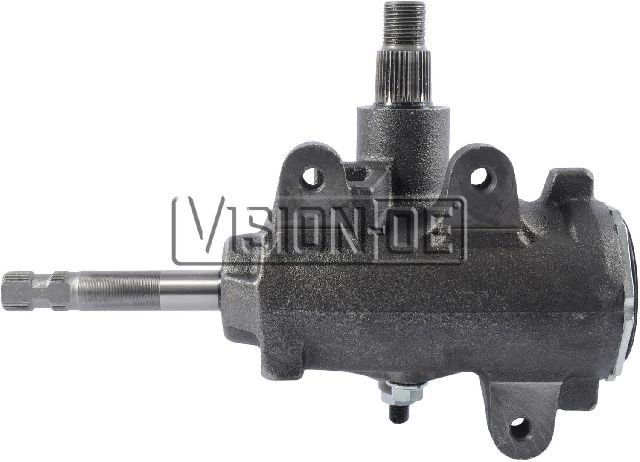
Saginaw-style power steering gearbox.
We Have This Part in Stock

The information in this article is provided for general reference and educational purposes only. Vehicle specifications, procedures, and part compatibility can vary by production date, trim level, and region. Always consult your vehicle's factory service manual and verify part numbers before purchasing or performing repairs. Safety-critical components such as airbags, seat belts, and braking systems should be installed by a qualified professional.
- Jeep Comanche: