

Jeep Comanche 1986-1992 Suspension Shock Absorber Replacement Guide
Get your classic Comanche riding smoothly again by choosing the right replacement shocks for your needs.
- New OEM shocks are not available; you must choose an aftermarket brand.
- Select a shock based on your use: Monroe for a comfortable daily ride, Bilstein or Fox for off-road or heavy-duty use.
- Be extremely careful with the rear upper shock mount nuts, as the studs can break from rust. Use plenty of penetrating oil.
- If your Comanche has a suspension lift, you must buy shocks specifically made for that lift height.
Symptoms of Failing Shock Absorbers
Because shocks wear out gradually, you might not notice the slow decline in ride quality. However, there are clear signs that your Comanche's shocks are due for replacement.
- Excessive Bouncing: After hitting a bump or pothole, the truck continues to bounce up and down. This is the most common symptom.
- Nose-Diving When Braking: The front end of the truck dips down significantly when you apply the brakes. This can increase your stopping distance.
- Rear Squatting: When you accelerate, the rear of the truck sags or “squats” as the weight shifts backward.
- Body Roll or Sway: The truck feels unstable and leans excessively when turning or changing lanes.
- Unusual Noises: You may hear a clunking or knocking sound from the suspension area when going over bumps, caused by worn internal components or mounting hardware.
- Fluid Leaks: Oily fluid seen leaking down the body of the shock absorber is a definite sign of failure.
- Uneven Tire Wear: Worn shocks can cause tires to bounce, leading to scalloped or cupped wear patterns on the tread.
Choosing the Right Aftermarket Shocks
For a vehicle like the 1986-1992 Comanche, new original equipment (OEM) Mopar shocks are no longer available. The market consists entirely of aftermarket brands, which offer a wide range of options from basic replacements to high-performance off-road models. Your choice should depend on your budget and how you use your truck.
Brand Tiers for the Jeep Comanche
Based on owner experiences and brand reputation, aftermarket shocks can be grouped into three general tiers:
- Budget-Friendly (Good): Brands like FCS Struts, PRT, and Monroe OESpectrum or basic models offer a low-cost way to restore original ride quality for daily driving. They are a significant improvement over worn-out shocks but may not have the longevity or performance of higher-priced options.
- Daily Driver (Better): This is the most popular category. Brands like KYB, Monroe Sensa-Trac, and Rancho RS5000 provide a great balance of comfort, control, and value. Many Comanche owners find Monroe shocks offer a comfortable, factory-like ride. KYB shocks are often reported as being firmer, which some drivers prefer for better control.
- Performance & Off-Road (Best): For owners who frequently haul heavy loads, go off-road, or have a lifted suspension, premium shocks are the best investment. Bilstein (4600 & 5100 series), Fox Racing Shox, and Rancho (RS9000XL adjustable series) are top choices. Bilstein shocks are highly praised for their excellent control and durability, though they provide a much stiffer ride than stock. Adjustable shocks like the Rancho RS9000XL allow you to fine-tune the ride from soft to firm.
Estimated Replacement Costs
| Part/Service | Estimated Cost |
|---|---|
| Aftermarket Shock Absorbers (Pair) | $60 - $350+ |
| Shop Labor (All Four) | $150 - $300 |
| Total Estimated Cost (All Four) | $270 - $1000+ |
A Word of Caution on Installation
Replacing shocks on a Comanche is a straightforward DIY job for those with basic tools. However, the biggest obstacle is often rust, especially on the upper rear shock mount studs. These studs can easily snap if you apply too much force to a rusted nut. It is highly recommended to soak all nuts and bolts in penetrating oil for several hours before attempting removal. If a nut is stubborn, using a nut splitter is safer than risking breaking the stud.
Frequently Asked Questions (FAQ)
Do I have to replace all four shocks at once?
It is highly recommended to replace shocks in pairs (both front or both rear) at a minimum. Replacing all four at the same time ensures balanced handling and stability. Mismatched shocks can lead to unpredictable vehicle behavior.
Can I use shocks from a Jeep Cherokee (XJ) on my Comanche (MJ)?
Yes, the front shocks are a direct fit between the Comanche and the Cherokee of the same era. Rear shocks are different due to the Comanche's leaf spring setup versus the Cherokee's. While some owners have modified Cherokee rear shocks to fit, it is best to buy shocks specifically listed for the Comanche to ensure proper fit and travel length.
Do I need special shocks if my Comanche is lifted?
Yes. A standard shock will be too short for a lifted truck, limiting suspension travel and potentially damaging the shock. You must buy shocks that are specifically designed for your amount of lift (e.g., 2-inch lift, 4.5-inch lift). Brands that specialize in off-road parts like Bilstein, Fox, Rancho, Skyjacker, and Superlift offer many options for lifted Comanches.
How difficult is it to replace the shocks myself?
For someone with mechanical experience, it is a relatively easy job that can be done in a few hours. The process involves jacking up the truck, securing it on jack stands, and removing a few bolts for each shock. The main difficulty comes from rusted fasteners, particularly the rear upper shock nuts.
Technical Specifications
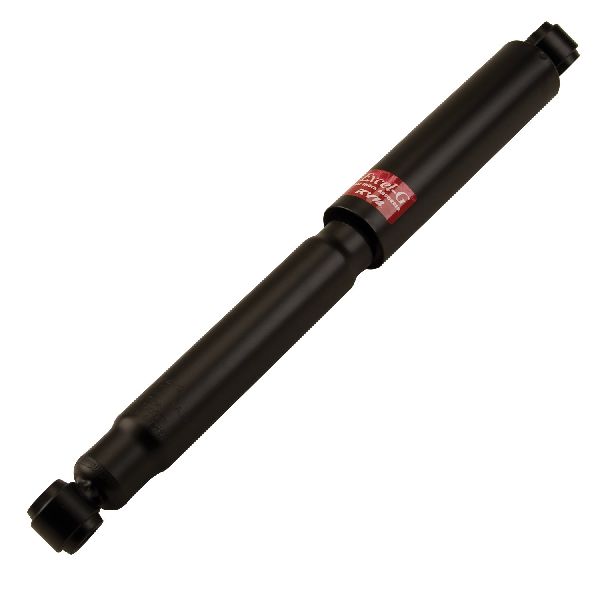
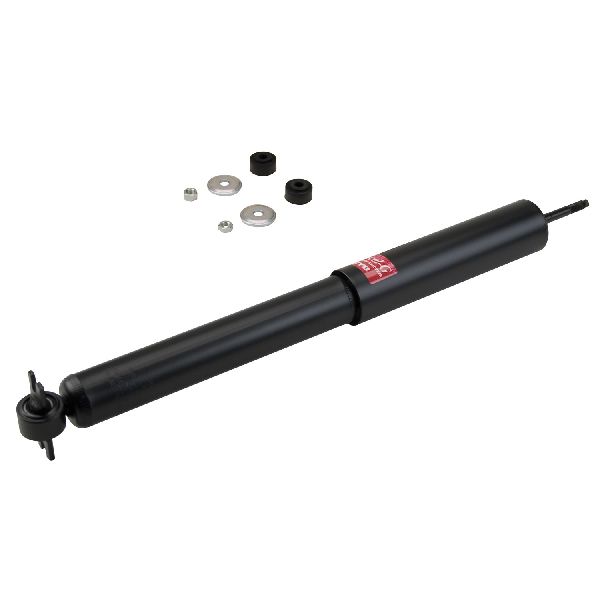
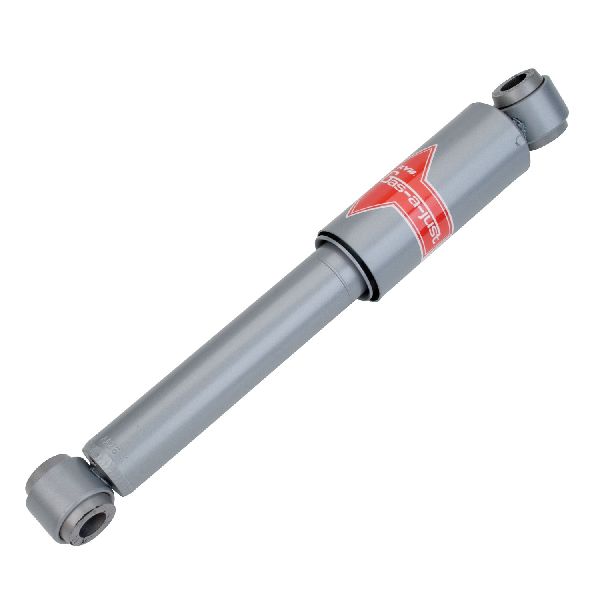
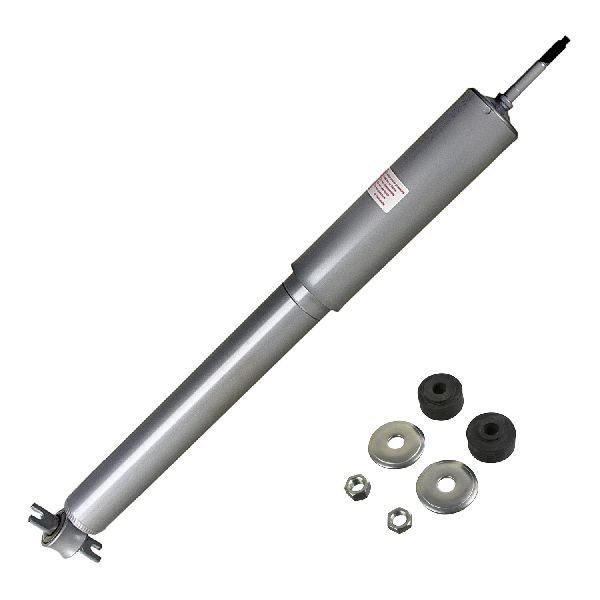
The Jeep Comanche uses a stem-mount upper and eye-mount lower shock in the front. The rear uses an eye-mount for both the upper and lower connection. Always verify the mounting type and length for your specific application, especially if the truck is lifted.
We Have This Part in Stock


The information in this article is provided for general reference and educational purposes only. Vehicle specifications, procedures, and part compatibility can vary by production date, trim level, and region. Always consult your vehicle's factory service manual and verify part numbers before purchasing or performing repairs. Safety-critical components such as airbags, seat belts, and braking systems should be installed by a qualified professional.
- Jeep Comanche: