

A Guide to Replacing Engine Mounts on Your 1986-1993 Mercury Sable
Stop the shaking and clunking by choosing the right new engine mounts for your first-generation Sable.
- A loud 'clunk' when shifting is the clearest sign of a failed engine mount on your Sable.
- Check for the critical NHTSA recall 98V-323 regarding corroding rear subframe mounts, which can cause a loss of steering.
- Always replace mounts in pairs or full sets to prevent premature failure of the new part.
- Available aftermarket brands are economy-focused; expect functional but potentially not long-lasting quality.
Is Your Sable Shaking, Clunking, or Vibrating?
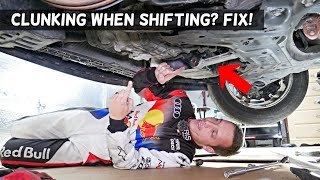
Worn engine mounts on the 1986-1993 Mercury Sable have very clear symptoms. Because the original front mount was a fluid-filled design known to fail, these signs are common. The most obvious symptom is a loud 'THUMP' or 'CLUNK' noise when you shift from Park into Drive or Reverse. 🎬 Watch: See how a bad mount causes this clunking noise. This is the sound of the entire engine and transmission assembly shifting because the mount can no longer hold it securely. You may also notice excessive vibration throughout the car, especially when idling in gear at a stoplight. In severe cases, you can physically see the engine move or lurch when shifting gears or revving the engine.
CRITICAL SAFETY RECALL: Subframe Mounts
Before addressing your engine mounts, you must be aware of NHTSA Recall 98V-323. This recall affects 1986-1995 Sable and Taurus models, particularly in cold-weather states. The rear subframe mount plate nuts can corrode and fail, which could cause the subframe to drop. This can lead to a sudden and severe loss of steering control. Even though this is not an engine mount, it is a critical safety issue for your vehicle's frame. Check if this repair has been performed on your car.
Known Issues for This Vehicle
The first-generation Sable and its twin, the Ford Taurus, are well-known for engine mount failures. The front mount, located on the passenger side near the radiator, is the most frequent point of failure. When this mount breaks, the engine's movement can cause collateral damage. Owners have reported that a bad mount allowed the engine to shift enough to damage A/C hoses or pull off the vacuum hose to the MAP sensor, causing further running issues.
Choosing the Right Aftermarket Mount
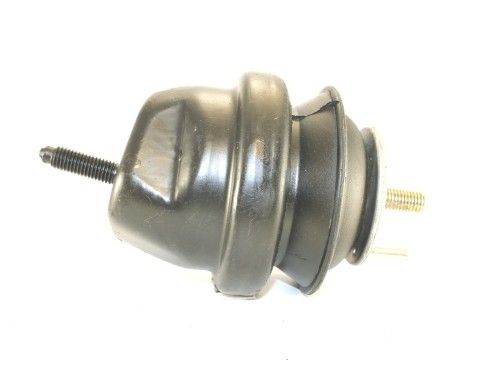
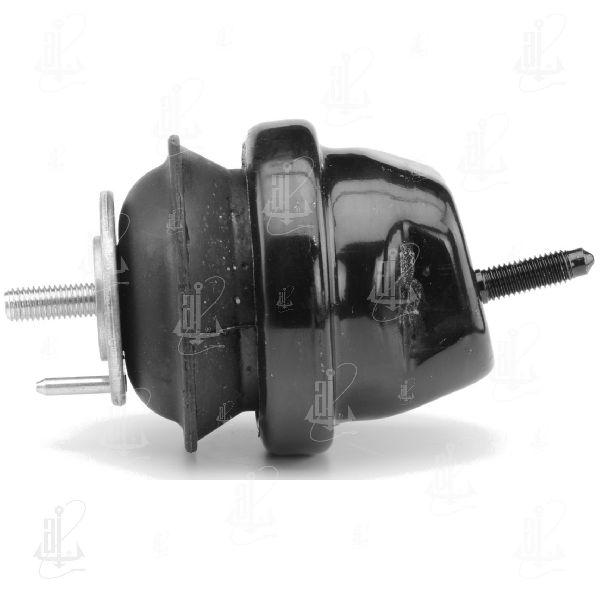
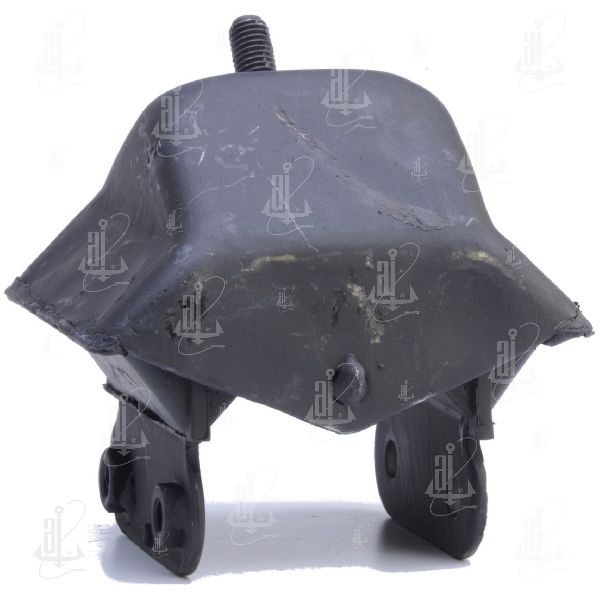
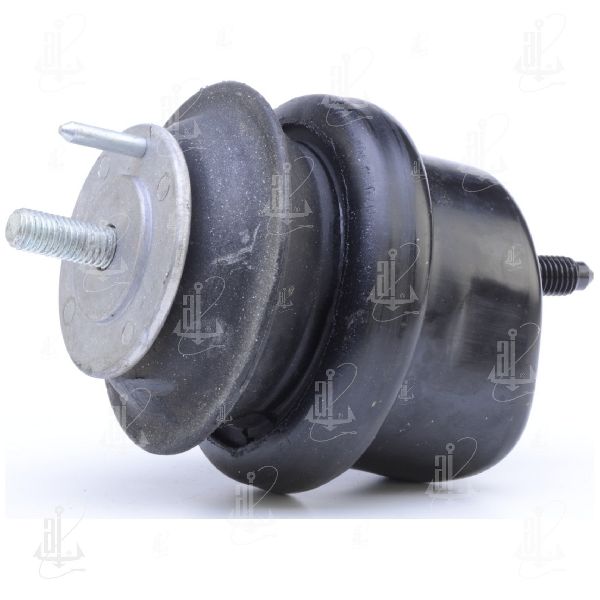
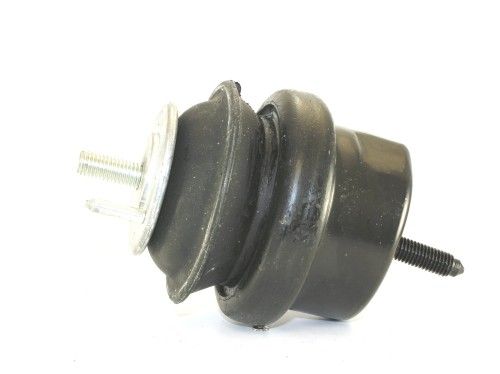
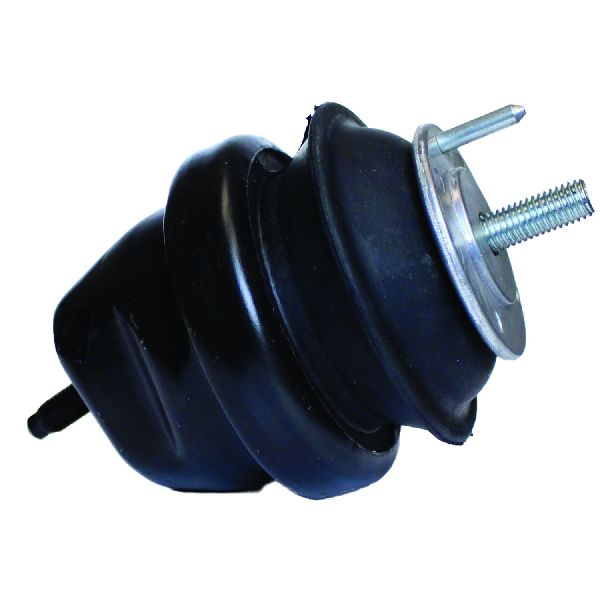
For a vehicle of this age, aftermarket parts are the most practical and available choice. The original Ford mounts were often fluid-filled (hydraulic) to provide a smoother feel. Many aftermarket replacements, including those from brands like Anchor, DEA, and Westar, are solid rubber. A solid rubber mount may be more durable than the original hydraulic design but can transmit slightly more engine vibration into the cabin. This is a common trade-off: better longevity for a slight increase in harshness.
Brand Quality: Economy Tier
The available brands—Anchor, DEA, and Westar—are generally considered economy or standard-grade replacements. Online forums and reviews show very mixed experiences. Some users have had these mounts fail in as little as a few months, while others report years of good service. There is no clear winner for quality among them; they are budget-friendly options that should restore function, but longevity can be unpredictable. Given the low cost, it is highly recommended to replace mounts in sets or at least in pairs (e.g., the front and rear mounts together). Replacing only one failed mount puts immense strain on the new part, as it has to work against the other old, worn-out mounts, leading to premature failure.
| Part Type | Typical Cost | Notes |
|---|---|---|
| New Aftermarket Mount | $18.92 - $77.96 | Most common and affordable option. Quality can be inconsistent between brands. |
| New OEM (Ford) Mount | Varies (Likely High / Discontinued) | Difficult to find for a vehicle of this age and likely not cost-effective. |
| Shop Labor | $100 - $250 per mount | Varies by shop rate and which mount is being replaced. |
Frequently Asked Questions
How many engine mounts does my 1986-1993 Sable have?
These vehicles typically have three or four mounts. This includes a front and rear mount to control engine rocking, and one or two transaxle mounts on the driver's side to support the transmission. There is also an upper engine torque strut, often called a 'dog bone' mount, which helps control engine movement.
Can I replace just the one broken mount?
While you can, it is strongly discouraged. Engine mounts work as a system. A new, stiff mount paired with old, soft mounts will be overworked and will likely fail very quickly. It is best to replace them in pairs (front/rear) or as a complete set for the best results and longevity.
What's the difference between hydraulic and solid rubber mounts?
Original mounts were often hydraulic (fluid-filled) to better absorb fine vibrations for a smoother ride. Many aftermarket parts are solid rubber. Solid mounts are often more durable but may cause a slight increase in noticeable engine vibration at idle compared to a new hydraulic mount.
How hard is it to replace an engine mount myself?
This is a moderately difficult job. The procedure requires safely supporting the engine with a floor jack and a block of wood to take the weight off the mount before unbolting it. Access to some bolts can be tight. If you are not comfortable working under a supported engine, it is best to leave this job to a professional mechanic.
Helpful Videos
Technical Specifications
Related Safety Recall: Check for NHTSA Campaign ID 98V323000 (Ford recall 98S36) for corroded rear subframe mount plate nuts.
We Have This Part in Stock

The information in this article is provided for general reference and educational purposes only. Vehicle specifications, procedures, and part compatibility can vary by production date, trim level, and region. Always consult your vehicle's factory service manual and verify part numbers before purchasing or performing repairs. Safety-critical components such as airbags, seat belts, and braking systems should be installed by a qualified professional.
- Mercury Sable: