

A/C Expansion Valve Guide for the 1986-1995 Mazda 323
Is your Mazda 323's air conditioning blowing warm? The A/C expansion valve could be the culprit.
- Confirm if your 323's A/C system uses the original R-12 refrigerant or has been converted to R-134a before buying parts.
- Symptoms like warm air or frost on vents are common signs of failure, but can also point to other A/C issues.
- Replacement is not a simple DIY job; it requires specialized equipment to handle refrigerant and is best left to a professional.
- Always replace the receiver/drier at the same time as the expansion valve to protect the A/C system.
Is Your 323 A/C Failing? It Could Be the Expansion Valve
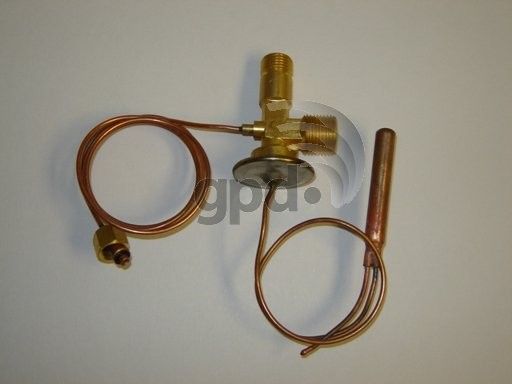
If your 1986-1995 Mazda 323 struggles to blow cold air, the A/C expansion valve is a common part to investigate. This component controls refrigerant flow, and when it fails, it can cause a range of cooling problems. It can get stuck open, flooding the system, or get clogged and starve the system of refrigerant. Both situations will prevent your A/C from working correctly.
R-12 vs. R-134a Refrigerant: A Critical Note
Your 1986-1995 Mazda 323 was originally equipped with an A/C system designed for R-12 refrigerant. R-12 is no longer used, and most older cars have been converted to the newer R-134a standard. Before ordering parts or servicing the system, you MUST confirm which refrigerant your car uses. Look for a blue or red retrofit sticker on the A/C components under the hood. While many original R-12 expansion valves work with R-134a, it's best practice to use a valve specified for your refrigerant type if you are replacing it during a conversion.
Symptoms of a Bad A/C Expansion Valve
A failing expansion valve can show several signs. Often, these symptoms can be confused with other A/C problems like low refrigerant or a bad compressor, so proper diagnosis is key.
- Warm or Inconsistent Air: The most common symptom is warm air from the vents, or air that cycles between cool and warm.
- Frost on Vents: If the valve is stuck open, it can allow too much refrigerant into the evaporator, causing it to freeze. You might see frost on the A/C components under the hood or even particles of ice blown from the vents.
- Hissing Sound: A hissing noise from the dashboard area can indicate the valve is failing and causing a pressure imbalance.
- A/C Compressor Always On: A valve stuck open can make the compressor run constantly, trying to meet cooling demands.
Choosing the Right Aftermarket Expansion Valve
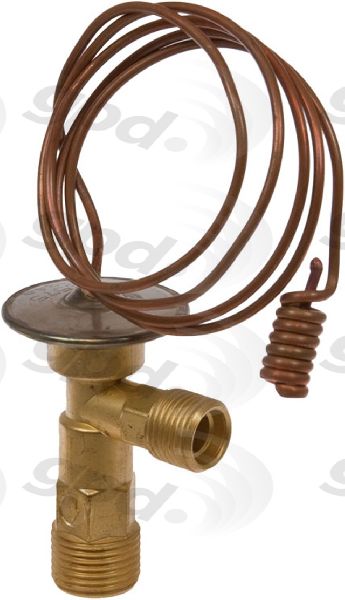
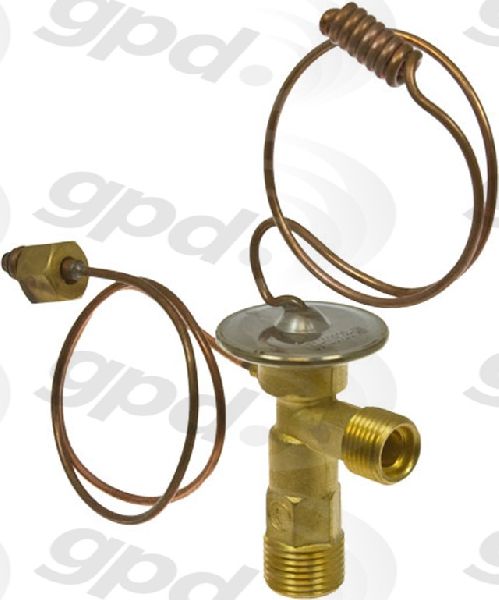
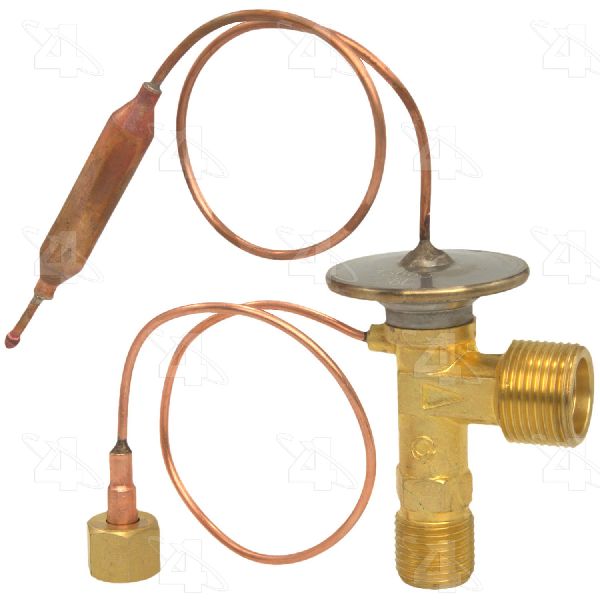
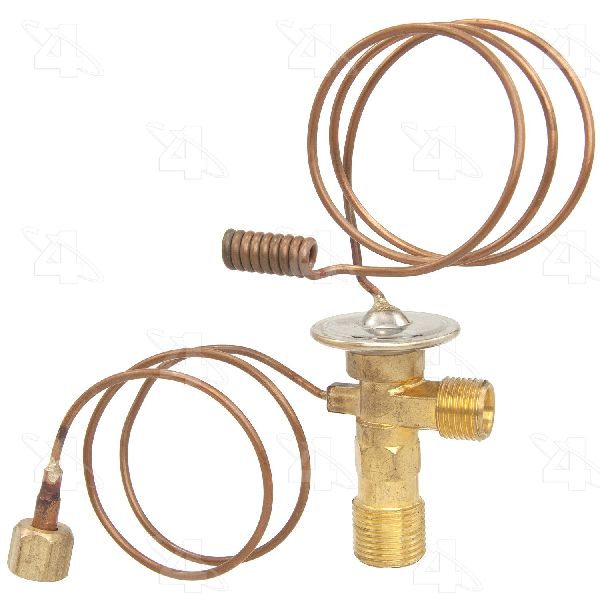
For a vehicle of this age, OEM parts are likely discontinued or very hard to find. The aftermarket is your primary source. The two main brands available are Four Seasons and Global Parts Distributors (GPD).
Quality can be inconsistent with aftermarket A/C parts. Here’s an honest breakdown:
- Four Seasons: This is a well-known brand with a long history, but reviews are mixed. Some mechanics and DIYers have used their parts for years without issue, while others report premature failures. It is often considered a budget-friendly option.
- Global Parts Distributors (GPD): This is another common aftermarket supplier. Some users have reported issues with GPD components like compressors and lines failing early or having fitment problems.
Pro Tip: When replacing the expansion valve, it is highly recommended to also replace the receiver/drier. The receiver/drier removes moisture from the refrigerant, and once the system is opened, it becomes saturated and can no longer do its job. A new receiver/drier is cheap insurance for the health of your entire A/C system.
Cost to Replace a Mazda 323 Expansion Valve
The total cost involves the part itself, labor, and the cost to evacuate and recharge the A/C system.
| Item | Estimated Cost |
|---|---|
| New Aftermarket Expansion Valve | $23 - $60 |
| Shop Labor & System Service | $230 - $400 |
| Total Estimated Cost | $253 - $460 |
Frequently Asked Questions (FAQ)
Can I replace the expansion valve myself?
This is not recommended for beginners. Replacing the valve requires specialized equipment to safely and legally recover the old refrigerant and then vacuum and recharge the system. Failure to do this correctly can damage components and is harmful to the environment. The valve is also located in a tight spot on the firewall, often requiring removal of the glove box and other dash components for access.
Are there any recalls on the 1986-1995 Mazda 323 A/C system?
No. Searches of the National Highway Traffic Safety Administration (NHTSA) database did not find any recalls or technical service bulletins (TSBs) related to the A/C expansion valve for the 1986-1995 Mazda 323.
Should I use an R-12 or R-134a expansion valve?
You should use a valve that is compatible with the refrigerant in your system. Since your car is from an era of transition, it's vital to check if it has been converted to R-134a. If you are converting the system from R-12 to R-134a, it is best practice to install a new expansion valve designed for R-134a.
Is a cheap aftermarket valve worth the risk?
It can be a gamble. While brands like Four Seasons and GPD offer affordable parts, some users report early failures. Since replacing the valve requires a full A/C system service (evacuation and recharge), the labor is a significant part of the cost. A failed part means paying that labor cost all over again. However, for an older vehicle like the 323, a budget-friendly aftermarket part is often the only practical choice.
Technical Specifications
Block Type with O-Ring Fittings
We Have This Part in Stock

The information in this article is provided for general reference and educational purposes only. Vehicle specifications, procedures, and part compatibility can vary by production date, trim level, and region. Always consult your vehicle's factory service manual and verify part numbers before purchasing or performing repairs. Safety-critical components such as airbags, seat belts, and braking systems should be installed by a qualified professional.
- Mazda 323: