

1987 BMW L6 Engine Coolant Temperature Sensor: A Complete Guide
If your classic L6 is running rough, the small but mighty coolant temperature sensor could be the culprit.
- The 1987 L6 has two coolant sensors; ensure you are replacing the correct one (the two-pin DME sensor) for engine running issues.
- Symptoms of failure include poor fuel economy, black smoke, rough idle, and potential overheating.
- Replacement is a simple DIY task that takes less than 30 minutes with basic tools.
- Choosing an OEM-tier aftermarket brand like Bosch or Hella provides dealer-level quality at a much lower price.
Symptoms of a Failing Coolant Temperature Sensor
A bad coolant temperature sensor can cause a surprising number of problems in your L6. Because the DME relies on its signal for so many calculations, a faulty sensor can make the computer think the engine is cold when it's hot, or vice-versa. This can lead to several noticeable issues:
- Poor Fuel Economy: If the sensor incorrectly tells the DME the engine is cold, the computer will enrich the fuel mixture, causing you to use more gas than necessary.
- Black Smoke from Exhaust: A constantly rich fuel mixture can result in unburnt fuel exiting through the exhaust, creating black smoke.
- Rough Idle and Poor Performance: The engine may idle roughly, hesitate, or feel sluggish because the fuel and timing calculations are incorrect for the actual engine temperature.
- Hard Starting: Especially when the engine is cold, a bad sensor can prevent the DME from providing the correct fuel enrichment needed to start easily.
- Check Engine Light: A faulty sensor or circuit will often trigger a Check Engine Light on your dashboard.
- Engine Overheating: In some systems, the sensor's reading is used to control the electric cooling fans. A bad sensor might fail to turn the fans on, leading to overheating, especially in traffic.
Don't Confuse the Sensors
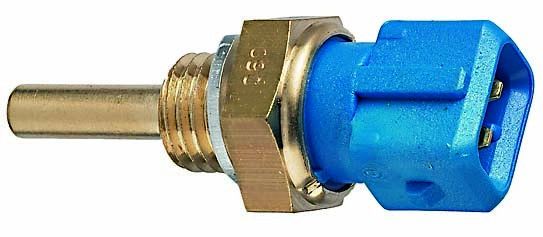
The M30 engine in your L6 has two temperature sensors located in the thermostat housing. The one with a two-prong connector (often blue) sends information to the DME for engine management. The other, a single-prong sensor (often brown), sends the signal to the temperature gauge on your instrument cluster. It's crucial to identify and replace the correct sensor for the symptoms you are experiencing.
Choosing the Right Aftermarket Part
For a classic vehicle like the 1987 L6, you have several good options without needing to pay a premium for a part from a BMW dealership. The key is balancing quality and cost.
Brand Quality Tiers
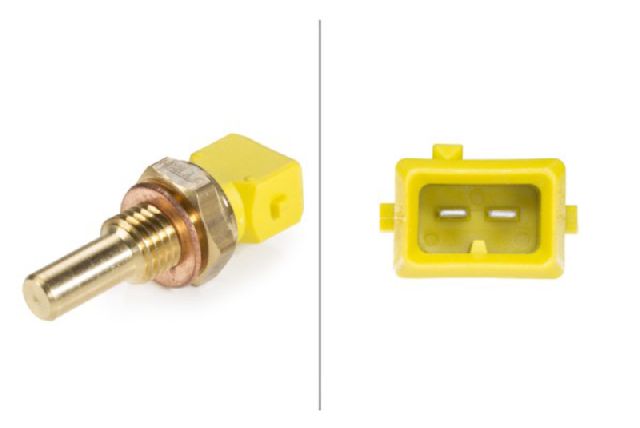
- OEM-Tier (High Quality): Brands like Hella and Bosch are often the original equipment manufacturers (OEM) for BMW. This means they made the part that was installed in your car at the factory. Choosing one of these brands gives you a part that is virtually identical to the original in terms of fit, function, and reliability, often at a lower cost than a dealer-branded part.
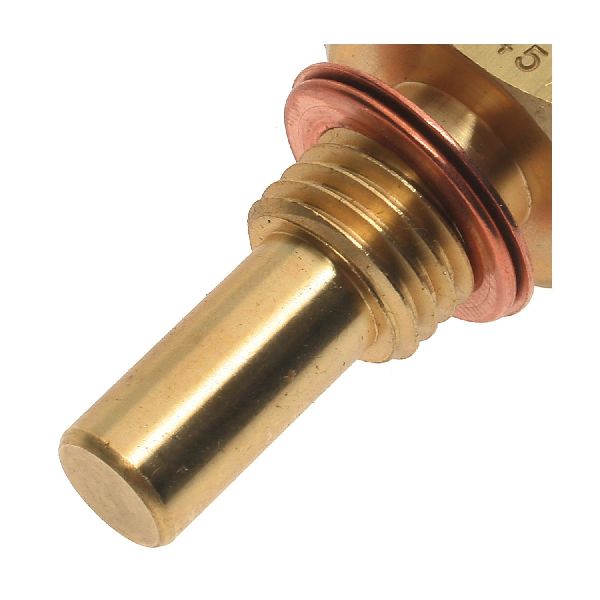
- Top-Tier Aftermarket (Good Quality): Standard Ignition (Standard Motor Products) is a well-respected aftermarket brand known for producing reliable sensors. They are a solid choice if an OEM-tier brand isn't available.
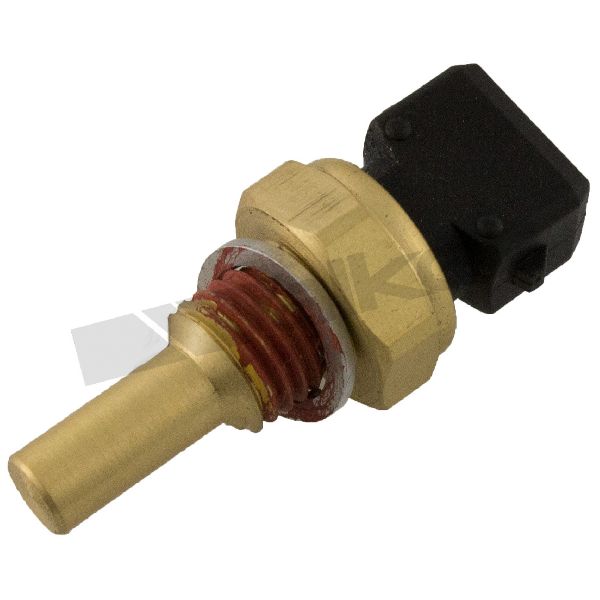
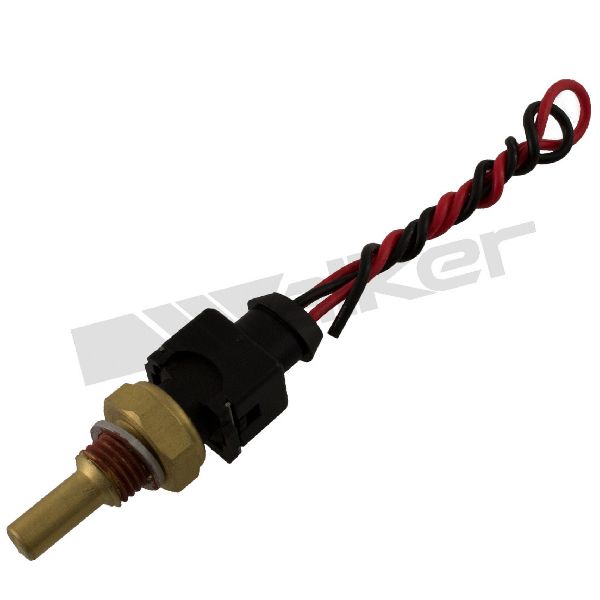
- Standard Aftermarket (Value): Brands like Facet, Walker Products, and True Tech offer a more budget-friendly option. While they are designed to meet original specifications, their long-term durability may not always match that of OEM-tier brands. They can be a good choice for a budget-conscious repair, but for a critical sensor like this, investing in a higher-tier brand is often recommended for peace of mind.
Pro Tip: When replacing the sensor, it's a good idea to also replace the small crush washer or seal ring that goes with it to prevent coolant leaks. Also, check the electrical connector for corrosion or damage, as this can also cause a bad signal.
Estimated Costs
| Part Type | Estimated Cost |
|---|---|
| New Aftermarket Sensor | $24.60 - $39.75 |
| New OEM (Bosch/Hella) | $17 - $30 |
| New Genuine BMW | $80 - $100 |
| Shop Labor | $50 - $100 |
Frequently Asked Questions
Where is the coolant temperature sensor located on a 1987 BMW L6?
You will find the sensor (or sensors) on the thermostat housing at the front of the engine. The DME sensor, which this guide focuses on, typically has a blue, two-pin electrical connector.
Is it difficult to replace this sensor myself?
No, this is a very DIY-friendly job. It typically requires basic hand tools like a deep socket and ratchet. You simply unplug the electrical connector, unscrew the old sensor, and screw the new one in. Some coolant may leak out, so have a rag ready and be prepared to top off the coolant if necessary. The engine should be cool before you start to avoid burns.
Do I need to drain the coolant to replace the sensor?
You do not need to fully drain the cooling system. The sensor is located high up on the engine, so only a small amount of coolant will be lost when you quickly swap the old sensor for the new one.
Is a genuine BMW sensor better than an aftermarket one?
For this specific part, a high-quality aftermarket sensor from an OEM supplier like Bosch or Hella offers the same performance and reliability as a genuine BMW part for a fraction of the price. The key is to choose a reputable brand over the cheapest available option.
Technical Specifications
OEM Part Numbers: 13621709967 13621286064 12631279719
Typically has a blue, 2-prong/blade electrical connector. Located in the thermostat housing.
We Have This Part in Stock


The information in this article is provided for general reference and educational purposes only. Vehicle specifications, procedures, and part compatibility can vary by production date, trim level, and region. Always consult your vehicle's factory service manual and verify part numbers before purchasing or performing repairs. Safety-critical components such as airbags, seat belts, and braking systems should be installed by a qualified professional.
- BMW L6: