

1987 Chevrolet R10 Engine Coolant Temperature Sensor Guide
A failing Engine Coolant Temperature Sensor can cause poor performance and fuel economy in your 1987 Chevy R10.
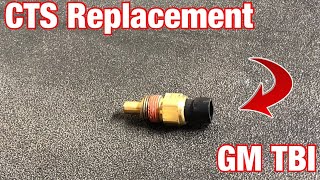
- A bad ECT sensor can cause poor fuel economy, rough idle, and a Check Engine Light (Codes 14 or 15).
- Your truck has two separate sensors: one for the computer (ECT) and one for the dash gauge. They are not interchangeable.
- Replacement is an easy DIY job, typically taking less than an hour.
- Choosing a quality aftermarket brand like Delphi or Standard Ignition is recommended for reliability.
Understanding the ECT Sensor in Your '87 R10
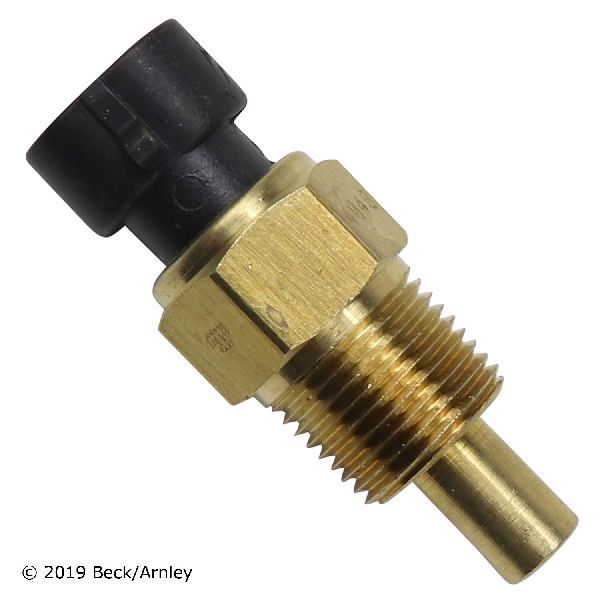
Your 1987 Chevrolet R10 relies on the Engine Coolant Temperature (ECT) sensor for critical engine management data. This sensor tells the truck's computer how hot or cold the engine is running. Based on this signal, the computer adjusts the air-fuel mixture from the Throttle Body Injection (TBI) system and controls ignition timing. A correct signal is essential for a smooth-running engine, proper fuel economy, and passing emissions tests.
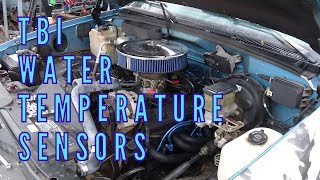
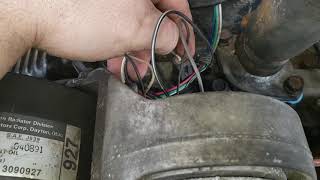
It's important to know that your truck has two similar sensors. One is the ECT sensor for the computer, and the other is a temperature sending unit for the gauge on your dashboard. They are not interchangeable. 🎬 Watch this video to see the difference between both sensors. This guide focuses on the ECT sensor that communicates with the engine computer, which is typically located on the intake manifold near the thermostat housing.
Symptoms of a Failing ECT Sensor
When the ECT sensor fails, it often sends a false signal to the computer, making it think the engine is either colder or hotter than it actually is. This can lead to a number of noticeable problems:
- Check Engine Light: A faulty sensor will often trigger the Check Engine Light. For your 1987 R10, this would likely be an OBD-I Code 14 or 15.
- Poor Fuel Economy: If the sensor incorrectly tells the computer the engine is cold, the computer will enrich the fuel mixture, causing the truck to use more gas.
- Black Smoke from Exhaust: A constantly rich fuel mixture can result in black smoke coming from the tailpipe, which is unburnt fuel. 🎬 See how a bad sensor causes flooding and rich exhaust.
- Rough Idle: The engine may idle roughly or surge because the computer can't set the correct fuel mixture and idle speed for the actual engine temperature.
- Hard Starting: Difficulty starting, especially when the engine is cold, can be a symptom as the computer isn't providing the right fuel mixture for a cold start.
- Engine Overheating: On some systems, the ECT sensor helps control the electric cooling fans. A bad sensor might fail to turn the fans on, leading to overheating.
Aftermarket ECT Sensor Cost for 1987 Chevrolet R10
| Tier | Brand Examples | Estimated Price | Notes |
|---|---|---|---|
| Premium Aftermarket | Delphi, NGK, Standard Ignition (SMP) | $25 - $38 | Often made by original equipment suppliers. Known for quality materials and precise readings. Delphi is a well-regarded choice for GM vehicles. |
| Mid-Grade Aftermarket | Beck Arnley, Hella, Four Seasons | $18 - $28 | Good value with reliable performance. These brands often meet or exceed OEM specifications. |
| Value-Priced Aftermarket | Global Parts, True Tech | $12 - $20 | The most affordable option. While functional, they may not have the same long-term durability or precision as higher-tiered brands. |
Choosing the Right Aftermarket Sensor
For a classic truck like the 1987 R10, high-quality aftermarket parts are often the best and most available option. Original AC Delco parts can be difficult to source.
Pro Tip: Brands like Delphi and Standard Ignition have a strong reputation for producing reliable sensors for GM trucks. Spending a few extra dollars for a sensor from a reputable brand can prevent future headaches and ensure your engine's computer receives accurate data.
Some replacement sensors come as a kit with a new electrical connector pigtail. Given the age of your truck, the original plastic connector can become brittle. Replacing it at the same time as the sensor is a smart move to ensure a solid connection.
Frequently Asked Questions (FAQ)
Is it hard to replace the ECT sensor on my 1987 R10?
No, this is generally an easy DIY job that takes less than an hour. The sensor is usually accessible on the top of the engine near the thermostat housing. It simply unscrews, and the new one screws in. Some coolant will leak out, so have a drip pan ready and top off the coolant after replacement.
Are there any recalls for the ECT sensor on this truck?
No, searches of the National Highway Traffic Safety Administration (NHTSA) database show no recalls or technical service bulletins (TSBs) specifically for the engine coolant temperature sensor on the 1987 Chevrolet R10.
Why is my temp gauge on the dash not working after replacing the sensor?
You may have replaced the wrong sensor. The sensor for the computer (ECT) and the sending unit for the dashboard gauge are two different parts. The gauge sender is typically located in the driver's side cylinder head. Make sure you are replacing the correct part for the problem you are trying to solve.
How do I check the trouble codes on my 1987 R10?
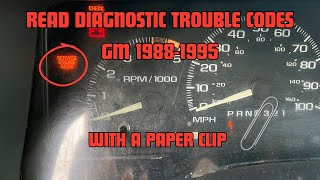
Your truck has an OBD-I system. You can read the codes by using a paperclip to jump the 'A' and 'B' terminals on the Assembly Line Diagnostic Link (ALDL) connector under the dashboard. With the key in the 'On' position (engine off), the 'Check Engine' light will flash a series of codes. Code 12 will flash three times first, followed by any stored trouble codes.
🎬 Watch a demonstration on reading OBD-I codes with a paperclip.Helpful Videos
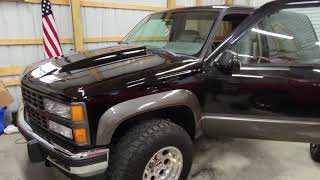

Technical Specifications
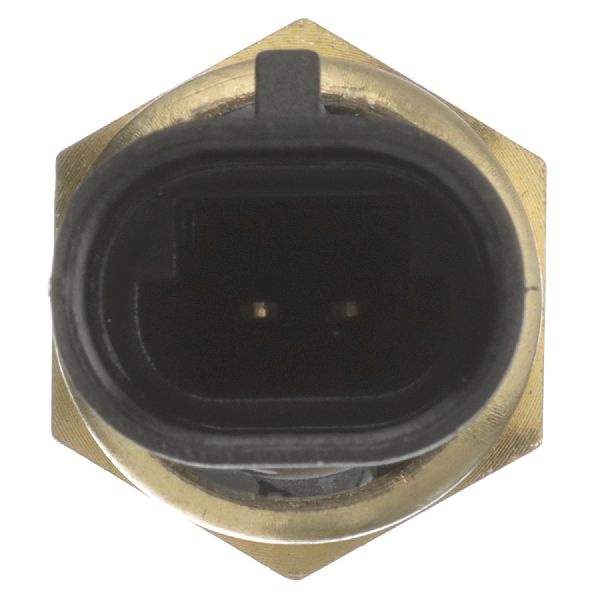
The 1987 Chevrolet R10 uses an OBD-I diagnostic system. The ECT sensor is a thermistor, meaning its electrical resistance changes with temperature. The ECM sends a 5-volt reference signal to the sensor and reads the return voltage to determine coolant temperature. It is crucial to distinguish between the two-wire ECT sensor for the computer and the single-wire sending unit for the temperature gauge.
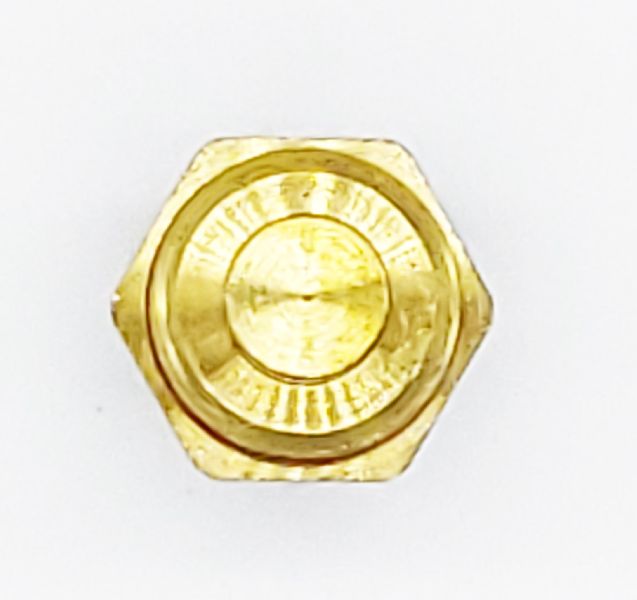
We Have This Part in Stock
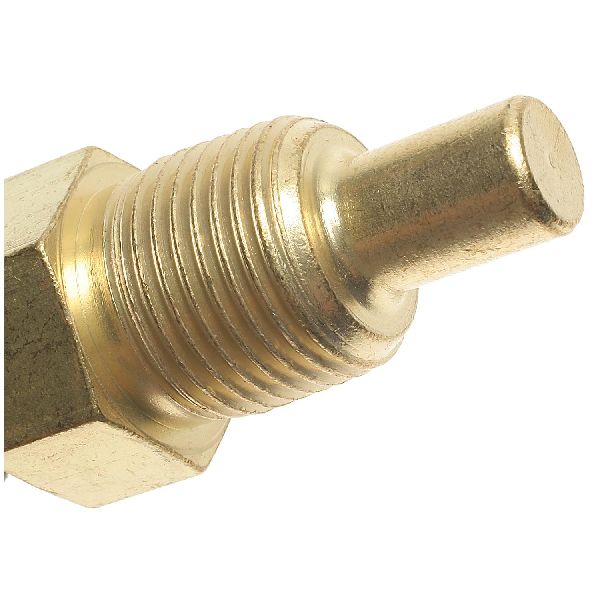



The information in this article is provided for general reference and educational purposes only. Vehicle specifications, procedures, and part compatibility can vary by production date, trim level, and region. Always consult your vehicle's factory service manual and verify part numbers before purchasing or performing repairs. Safety-critical components such as airbags, seat belts, and braking systems should be installed by a qualified professional.
- Chevrolet R10: