

Engine Coolant Temperature Sensor Guide for the 1987 Chevrolet V10
Keep your Chevy V10's TBI engine running smoothly by understanding this critical sensor.
- The ECT sensor is critical for the TBI fuel injection system on your 1987 V10, directly affecting fuel mixture and performance.
- Symptoms like running rich, poor gas mileage, and rough idling strongly point to a failing ECT sensor.
- This is an easy and inexpensive DIY replacement, typically located on the intake manifold near the thermostat.
- Choose a quality aftermarket brand like Delphi, NGK/NTK, or Standard Motor Products for a reliable repair.
Is Your 1987 V10 Running Rough? It Could Be the Coolant Temp Sensor
For a 1987 Chevrolet V10 with a Throttle Body Injection (TBI) engine, the Engine Coolant Temperature (ECT) sensor is more than just a part that helps your dashboard gauge. It's a primary input for the computer that controls your engine. A failing sensor can cause a surprising number of problems, from poor fuel economy to a no-start condition. Because these sensors can degrade over time, replacement is a common maintenance item on older trucks.
Symptoms of a Bad ECT Sensor on a 1987 Chevy V10
A faulty ECT sensor can make your truck's computer think the engine is cold when it's actually hot, or vice-versa. This confusion leads to several noticeable symptoms:
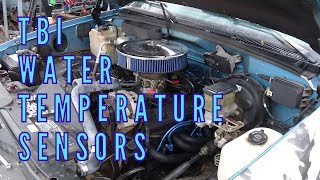
- Rich Fuel Mixture: You might smell gas from the exhaust, or even see black smoke. This happens when the sensor incorrectly tells the ECM the engine is cold, causing it to inject too much fuel. 🎬 Watch this video to diagnose flooding and rich running issues.
- Poor Fuel Economy: If the engine constantly runs rich, your gas mileage will suffer significantly.
- Rough Idle or Stalling: An incorrect air-fuel mixture can cause the engine to idle poorly, hesitate, or stall, especially after it has warmed up.
- Hard Starting: The engine may be difficult to start, particularly when it's already warm, because the ECM is providing the wrong fuel mixture for the conditions.
- Check Engine Light: A failing ECT sensor can trigger a Check Engine Light, with common trouble codes like P0115.
Two Different Sensors
Your 1987 truck has two separate temperature sending units. The one for the ECM, which this guide covers, is typically located at the front of the intake manifold near the thermostat housing. There is a second, single-wire sender for the dashboard temperature gauge, usually located on the driver's side cylinder head. If your gauge is acting up but the truck runs fine, the gauge sender is the likely problem. If the truck runs poorly, the ECM sensor is the one to check.
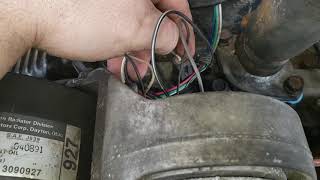
🎬 See the difference between the gauge sender and the sensor.Choosing the Right Aftermarket ECT Sensor
For a vehicle like the 1987 V10, aftermarket sensors are widely available and often provide good value. Original AC Delco parts may be preferred by some, but quality aftermarket brands are a reliable choice. Here’s a breakdown of common brands:
Tier 1: Trusted OE-Quality Brands
- Delphi: Often an original equipment manufacturer for GM, Delphi sensors are considered a top-quality, direct-fit replacement designed to meet or exceed OE standards.
- NGK / NTK: Known for their spark plugs and oxygen sensors, NTK also produces high-quality temperature sensors manufactured to OE specifications.
- Standard Motor Products (SMP): A long-standing brand in the aftermarket, SMP offers reliable sensors. Their standard red box or premium Blue Streak lines are generally well-regarded. Avoid their budget "T-Series" (green box) if possible.
Tier 2: Reputable Aftermarket Brands
- Hella: A well-known German brand that produces a wide range of quality automotive components.
- Four Seasons: Primarily known for climate control parts, they also offer reliable sensors.
- Holstein: An aftermarket brand offering a range of sensors that are a cost-effective option.
Tier 3: Budget-Friendly Options
- Beck Arnley: This brand often re-boxes parts from various manufacturers, including sometimes OE parts. However, quality can be inconsistent, with some users reporting issues with inaccurate readings or early failure.
- Motorad: Known for thermostats, they also provide sensors that are a budget-conscious choice.
- True-Tech: A value-oriented brand for basic repairs.
Pro Tip: When replacing the sensor, it's a good idea to have the new one ready to install quickly to minimize coolant loss. Applying a small amount of dielectric grease to the connector can help prevent corrosion and ensure a good connection.
| Item | Estimated Cost |
|---|---|
| New Aftermarket ECT Sensor | $12.58 - $37.74 |
| Shop Labor | $50 - $100 |
| Total Estimated Cost (DIY) | $12.58 - $37.74 |
| Total Estimated Cost (Installed) | $62.58 - $137.74 |
Frequently Asked Questions
Where is the ECT sensor located on my 1987 Chevy V10?
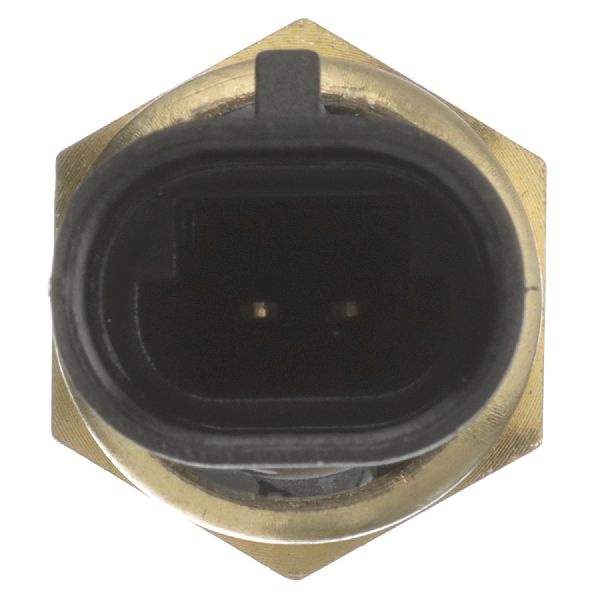
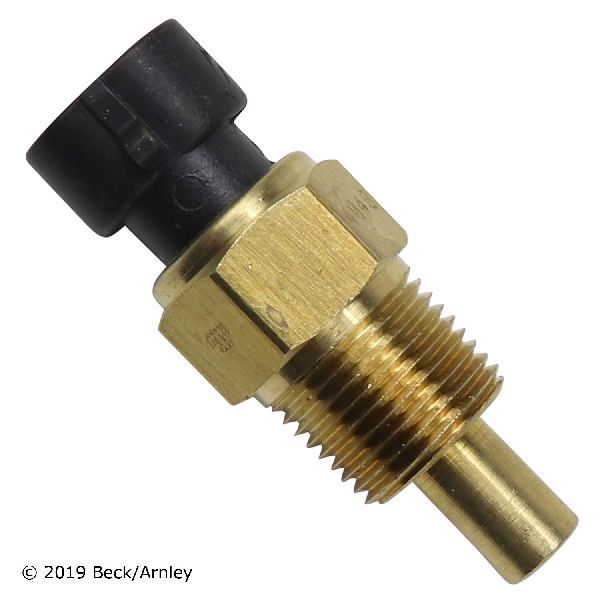
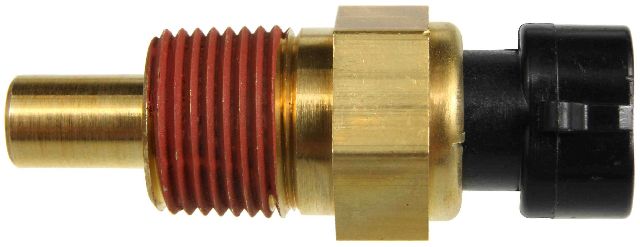
The Engine Coolant Temperature sensor for the computer (ECM) is typically a two-wire sensor located on the front of the intake manifold, near the thermostat housing. A separate, single-wire sender for the dashboard gauge is usually on the driver's side cylinder head.
Can I replace the ECT sensor myself?
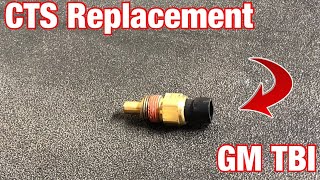
Yes, this is a very straightforward DIY job for most home mechanics. It typically requires only a 3/4" deep socket and wrench. The job can be done in under 30 minutes. 🎬 Watch a quick walkthrough of the sensor replacement process. It's best to perform the replacement when the engine is cold to avoid burns and minimize coolant loss.
Are there any recalls for this part?
A search of the National Highway Traffic Safety Administration (NHTSA) database shows no specific recalls for the engine coolant temperature sensor on the 1987 Chevrolet V10.
What happens if I don't replace a bad ECT sensor?
Continuing to drive with a faulty sensor can lead to persistently poor fuel economy, fouled spark plugs from running too rich, potential engine overheating if the fans don't engage correctly (though less common on this model), and failed emissions tests.
Helpful Videos

Technical Specifications
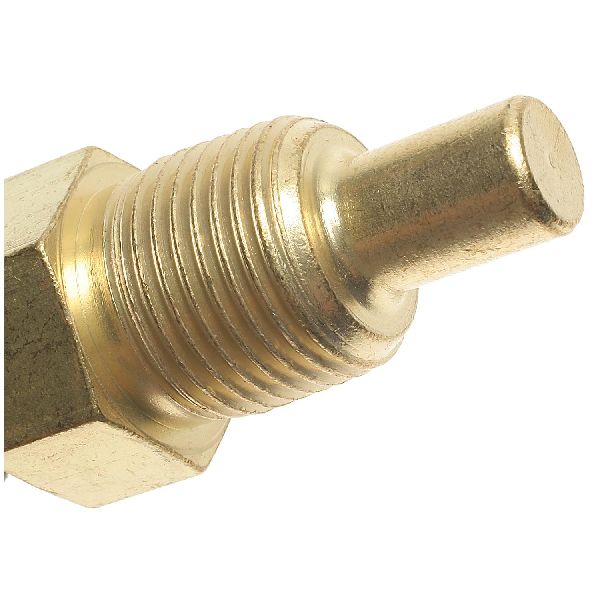
OEM Part Numbers: ACDelco 213-4397 Standard Motor Products TX3
The ECT sensor for the ECM is a two-wire thermistor. It is distinct from the single-wire sender used for the temperature gauge on the dashboard.
We Have This Part in Stock


The information in this article is provided for general reference and educational purposes only. Vehicle specifications, procedures, and part compatibility can vary by production date, trim level, and region. Always consult your vehicle's factory service manual and verify part numbers before purchasing or performing repairs. Safety-critical components such as airbags, seat belts, and braking systems should be installed by a qualified professional.
- Chevrolet V10: