

Choosing the Right Power Steering Pump for Your 1987 Chevrolet V20
Keep your classic Chevy truck's steering smooth and reliable with the right replacement pump.
- Whining noises and stiff steering are the most common symptoms of a failing pump.
- A new aftermarket pump is a more reliable choice than a remanufactured one for this truck.
- You must use a special power steering pulley puller/installer tool for the job.
- Always flush the entire system and consider replacing old hoses to protect the new pump.
Is Your Power Steering Pump Failing?
The Saginaw-style power steering pumps used in Square Body Chevys are known for being workhorses, but they don't last forever. When they start to fail, they usually give you a few warning signs. Ignoring them can lead to a seized pump, which could break the serpentine belt and leave you stranded.
Common Failure Symptoms:
- Whining or Groaning Noises: A common first sign is a whining noise that gets louder when you turn the steering wheel. This is often caused by low fluid, air in the system, or the pump itself wearing out.
- Stiff or Slow Steering: If it suddenly takes a lot more muscle to turn the wheel, your pump is likely not providing enough pressure to assist you. This can be especially noticeable at idle or during slow-speed maneuvers.
- Fluid Leaks: Finding reddish or dark, murky fluid under the front of your truck is a clear sign of a leak. Leaks can come from the pump seals, the reservoir, or the hoses. A common leak point is the seal behind the pulley.
- Visible Bubbles or Foam: If you check your power steering fluid and it looks foamy or has a lot of bubbles, it means air is getting into the system. This can be caused by a bad seal on the pump or a loose hose connection.
Choosing the Right Aftermarket Pump for Your V20
For a 1987 vehicle, finding a brand-new OEM part is nearly impossible. The market consists of new aftermarket parts and remanufactured units. Given the mixed reviews and potential for failure with remanufactured parts, opting for a new aftermarket pump is generally the safer bet for reliability.
Brand Tiers
Your choice depends on your budget and how you use your truck.
- Standard Replacement (BBB Industries, Cardone): These brands offer affordable, direct-fit replacement pumps that meet original specifications. They are a good choice for a daily driver or a stock restoration on a budget. While many users have success with these brands' new offerings, be aware that online forums contain mixed reviews regarding long-term durability, with some users reporting issues.
- High-Performance / Heavy-Duty (PSC Motor Sports): If you run oversized tires, use your V20 for heavy hauling, or simply want a significant upgrade in steering feel and reliability, PSC is a top-tier choice. These are brand-new, high-quality pumps engineered for more demanding applications and are not remanufactured. This is a premium option with a higher price point, but it provides superior performance and durability.
Pro Tip: Flush the System & Replace Hoses
When you replace your pump, it's critical to flush all the old, contaminated fluid out of the system. Metal flakes from the old failing pump can quickly destroy your new one. Also, inspect your power steering hoses. If they are original, hard, or cracked, replace them at the same time to prevent future leaks.
Installation Notes
Replacing the power steering pump on a Square Body Chevy is a manageable job for a DIY mechanic. The process involves removing the drive belts, disconnecting the hoses, and unbolting the pump from its bracket. You will need to transfer the mounting bracket and the pulley from your old pump to the new one.
Special Tool Required
You cannot remove or install the pulley without a specific power steering pulley puller/installer tool. Do not try to use a standard gear puller or hammer, as you will damage the pulley or the new pump. These tool kits can be rented from most auto parts stores.
Frequently Asked Questions
Do I have to replace the reservoir?
Many new pumps come with a new reservoir. It is highly recommended to use the new one if provided. The old reservoir can hold contaminated fluid and debris that can damage the new pump. If your new pump does not include a reservoir, you must be extremely careful when swapping the old one to avoid damaging it or its O-ring seals.
What kind of power steering fluid should I use?
Always use the type of power steering fluid recommended for your vehicle. Check your owner's manual or the fluid reservoir cap for the correct specification. Using the wrong fluid can damage seals and cause the pump to operate poorly.
Why is bleeding the system so important?
Bleeding removes all the air that entered the system during the replacement. Air in the lines will cause whining, erratic steering, and can quickly damage the new pump through cavitation (air bubbles collapsing under pressure). The proper procedure involves raising the front wheels and turning the steering wheel lock-to-lock many times with the engine off, and then again with the engine on, while keeping the reservoir topped off.
Should I buy a new or remanufactured pump?
For this vehicle, a new aftermarket pump is generally recommended over a remanufactured one. While remanufactured parts are cheaper, they have a reputation for inconsistent quality and a higher failure rate, which can lead to doing the job twice.
Technical Specifications
OEM Part Numbers: N/A
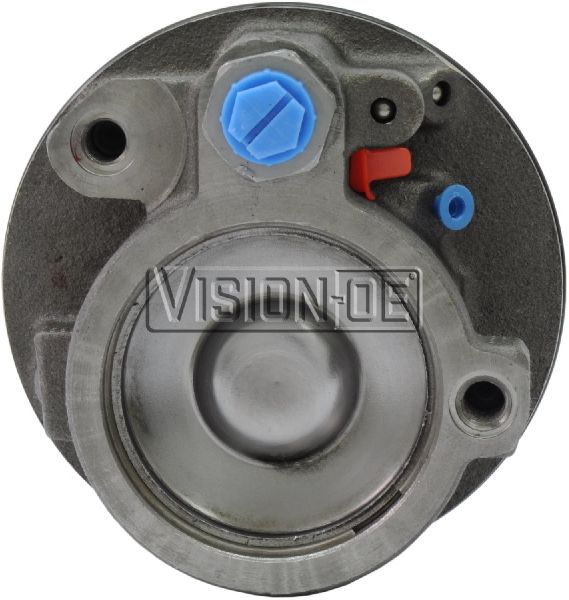
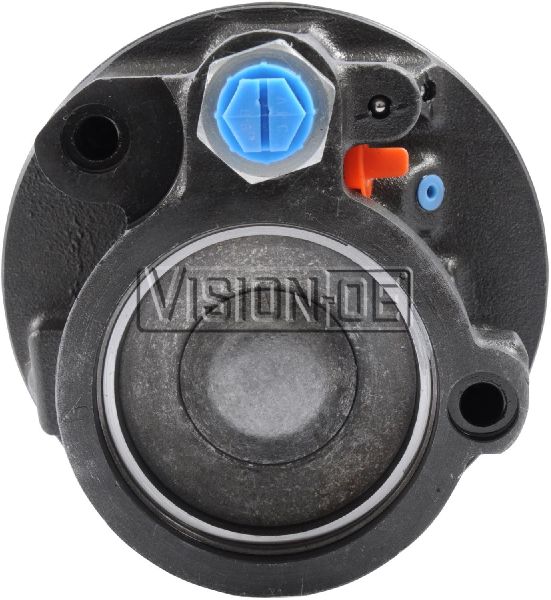
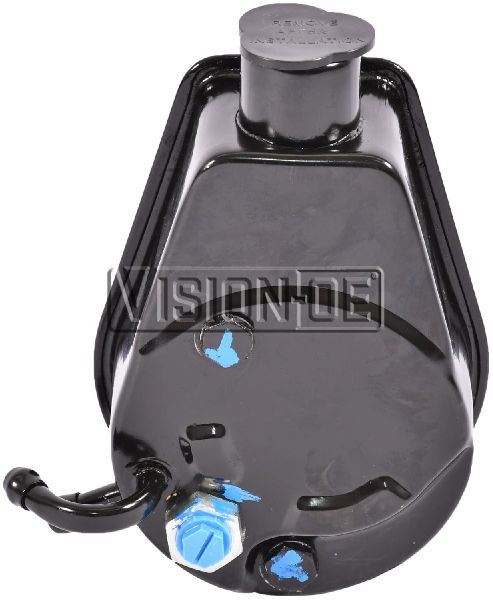
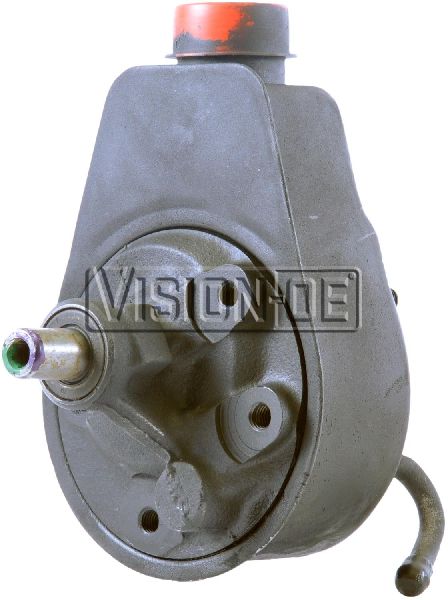
The 1987 Chevrolet V20 typically uses a Saginaw P-Series style power steering pump. These are belt-driven, V-belt pumps, and many aftermarket replacements require you to reuse your original pulley and mounting brackets.
We Have This Part in Stock

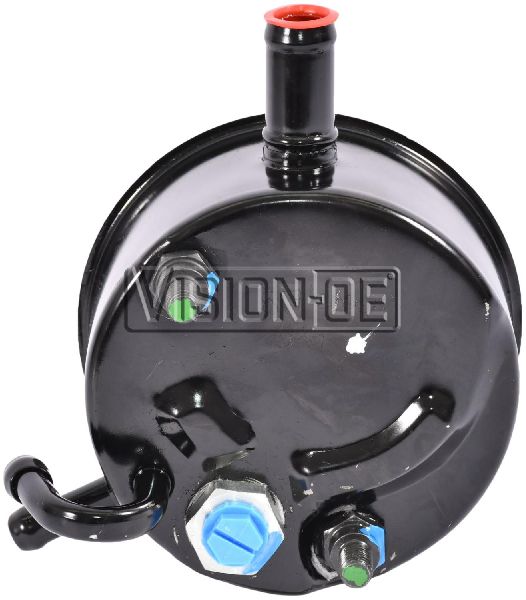

The information in this article is provided for general reference and educational purposes only. Vehicle specifications, procedures, and part compatibility can vary by production date, trim level, and region. Always consult your vehicle's factory service manual and verify part numbers before purchasing or performing repairs. Safety-critical components such as airbags, seat belts, and braking systems should be installed by a qualified professional.
- Chevrolet V20: